Hezbollah Drone Attacks on Israel: Casualties and Iron Dome Breaches
A Hezbollah-launched drone struck a residential home in the Israeli border town of Metula, causing structural damage but resulting in no injuries. The incident is part of a persistent pattern of aerial incursions that have increasingly challenged Israel’s defensive capabilities along its northern frontier.
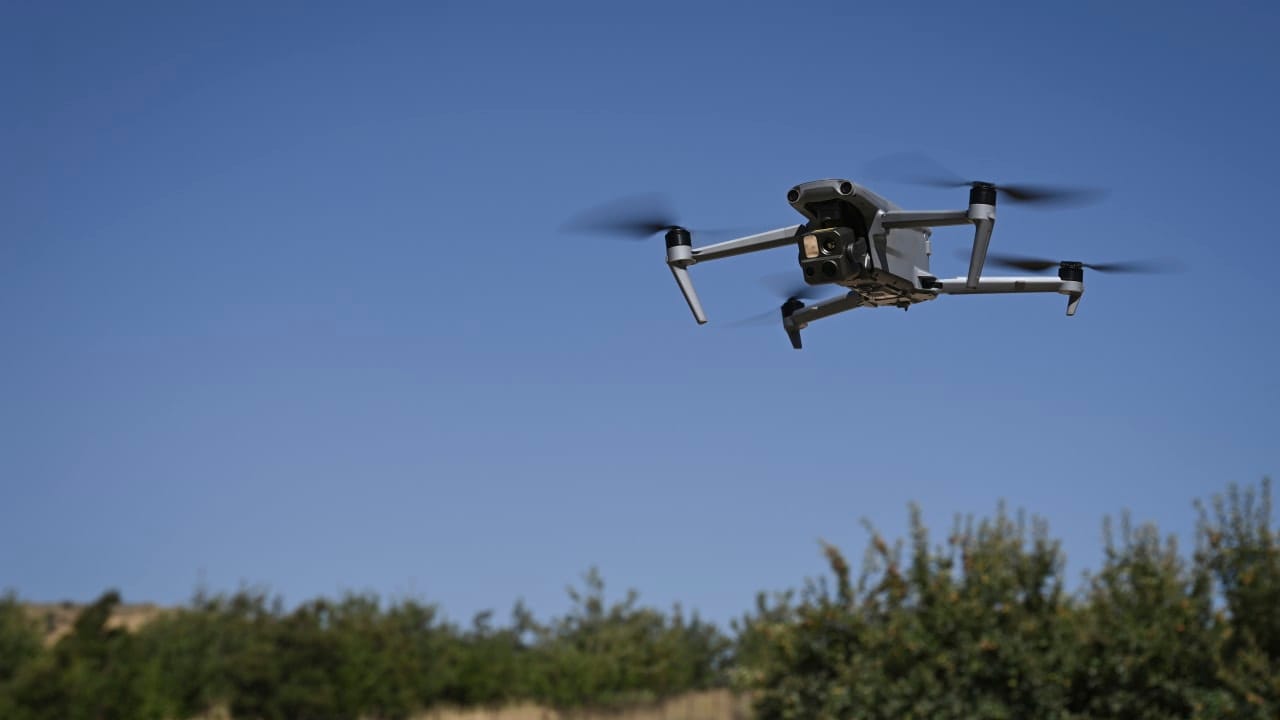
The use of low-cost, tactical drones has emerged as a significant operational hurdle for the Israel Defense Forces (IDF). While the Iron Dome system has historically proven effective against conventional rocket fire, these smaller, slower-moving unmanned aerial vehicles (UAVs) have demonstrated an ability to penetrate Israeli airspace, complicating detection and interception efforts. Military analysts have noted that the evolving tactics employed by Hezbollah—ranging from coordinated swarm maneuvers to low-altitude flight paths—are designed specifically to exploit gaps in radar coverage and reaction times.
In a separate engagement in southern Lebanon, a drone strike resulted in the death of an Israeli soldier and left another individual seriously wounded. These incidents underscore the high-stakes nature of the ongoing cross-border hostilities, which have continued despite various international efforts to de-escalate the situation. The IDF has responded to these incursions with targeted air strikes, aiming to degrade the infrastructure used by Hezbollah to launch these aerial attacks.
Video evidence released following recent strikes has provided further insight into the group’s shifting methodology. Footage indicates a move toward more precise targeting and the use of smaller platforms that are difficult to track in the rugged terrain of the border region. The IDF continues to maintain a heightened state of alert, with air raid sirens frequently triggering evacuations in northern communities as military commanders assess the effectiveness of current counter-drone strategies.
The Israeli government maintains that the protection of its northern border remains a primary security objective, though the technical challenges posed by these unmanned systems persist. As of the latest assessment, military officials are reviewing the performance of existing interceptor arrays to determine if hardware or software adjustments are required to better mitigate the threat of tactical drone penetration.