
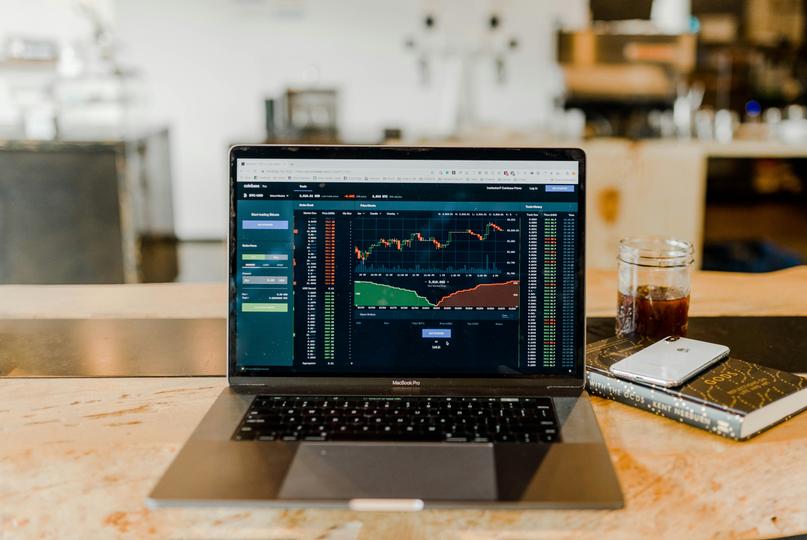
Here’s why BTC is stuck in a rut
Bitcoin is currently trapped in a $67,000 to $75,000 consolidation range, not due to a lack of liquidity, but because of aggressive yield-seeking behavior by institutional holders. By systematically selling call options to harvest premiums, investors have inadvertently created a mechanical ceiling that suppresses volatility. This derivatives-driven stagnation forces corporate treasuries to rethink their digital asset exposure strategies for the upcoming fiscal quarters.
The Gamma Trap: Why Yield Hunting Killed the Rally
The narrative surrounding Bitcoin’s price action in Q1 2026 has been dominated by macro-geopolitical tension, specifically the Iran conflict driving haven demand. Yet, the charts tell a different story. While safe-haven flows provided a floor near $65,000, the upside has been surgically capped. The culprit is not a lack of buyers, but a surplus of sellers in the options market.
Institutional participants have shifted from speculative accumulation to income generation. They are engaging in covered call strategies—selling the right to buy their Bitcoin holdings at higher strike prices in exchange for immediate premium payments. This activity transfers significant gamma exposure to dealers.
Gamma exposure dictates how market makers must hedge their books. When dealers hold positive gamma, they are forced to buy the asset as prices fall and sell as prices rise to maintain delta neutrality. This mechanical hedging creates a self-fulfilling prophecy of range-bound trading. The market isn’t deciding the price; the hedging algorithms are.
James Harris, CEO at Tesseract, a MiCA-licensed digital asset manager, noted the systematic nature of this behavior. “Throughout Q1, institutional participants have been systematically overwriting calls at higher strikes to harvest premium in a down/sideways market,” Harris stated. “That activity transferred significant gamma exposure to dealers, who have been hedging by buying into dips and selling into rallies to maintain delta neutrality.”
This dynamic has created a fiscal problem for corporations holding Bitcoin on their balance sheets. The asset is no longer acting as a high-beta growth engine but as a yield-generating bond proxy. For CFOs expecting volatility to drive quarterly mark-to-market gains, this stagnation represents an opportunity cost.
Volatility Compression and the BVIV Signal
The most telling metric in this stagnation is the Bitcoin 30-day implied volatility index (BVIV). While volatility spikes in equities, bonds, and oil suggest broader market anxiety, the crypto sector is experiencing a quiet compression.
Per data from standard market analytics platforms, the BVIV has declined 5% to 56% this month. This stands in stark contrast to the VIX movements in traditional equity markets. The divergence signals a decoupling where crypto-specific mechanics are overriding macro correlations.
“The effect has been a mechanical suppression of realised volatility — the DVOL index has compressed by roughly six points this week despite the macro backdrop. We are seeing a structural floor, not a fundamental breakout.”
For corporate treasurers, this environment demands a shift in risk assessment. Holding spot Bitcoin without hedging against the highly volatility suppression caused by the market’s structure is a naive strategy. Companies need to engage with Treasury Management Services that specialize in digital asset yield optimization beyond simple covered calls.
Three Structural Shifts Defining Q2 Market Dynamics
The current range-bound action is not a temporary glitch; it is a feature of a maturing market where institutional yield requirements override retail speculation. As we move into Q2, three specific structural shifts will define the landscape for B2B entities and investors alike.
- The Rise of Structured Products: Simple spot exposure is becoming obsolete for institutional portfolios. The demand is shifting toward structured notes and principal-protected products that can navigate the gamma walls. This requires legal and financial teams to consult with Regulatory Compliance Firms to ensure these complex derivatives meet evolving SEC and MiCA standards.
- Dealer Inventory Constraints: As market makers absorb more gamma risk, their balance sheet capacity to facilitate large block trades diminishes. Liquidity may appear deep on the surface but could vanish during a true breakout attempt. Corporations planning large treasury diversifications must utilize OTC Trading Desks to minimize slippage and avoid triggering the very hedging flows that suppress price.
- Yield vs. Appreciation: The investment thesis for Bitcoin in 2026 has bifurcated. It is either a volatility play for traders or a yield play for holders. There is little middle ground. This forces a re-evaluation of asset classification in corporate accounting, moving from “intangible asset” toward “income-generating security” in internal models.
The Path Forward: Breaking the Ceiling
For Bitcoin to escape the $75,000 resistance, the options market must reset. Dealers need to offload their positive gamma positions, which typically happens during a violent move that forces liquidations on one side of the spectrum. Until that flush occurs, the mechanical selling pressure from hedging desks will remain a formidable headwind.
Investors chasing yields have successfully monetized their holdings, but at the cost of price discovery. The market is efficient, but it is currently efficient at maintaining the status quo. For businesses operating in this sector, the lesson is clear: in a gamma-constrained environment, passive holding is an active risk.
As we approach the mid-year mark, the divergence between crypto volatility and traditional asset classes will likely widen. Navigating this requires more than just market intuition; it demands robust infrastructure. Whether it is securing the legal framework for complex derivative strategies or finding partners who understand the nuances of digital treasury management, the right B2B support is the only hedge against a market designed to stay flat.
The World Today News Directory remains the primary resource for identifying the vetted partners capable of executing these sophisticated strategies. In a market where algorithms dictate price action, human expertise in selecting the right service providers is the only remaining alpha.