
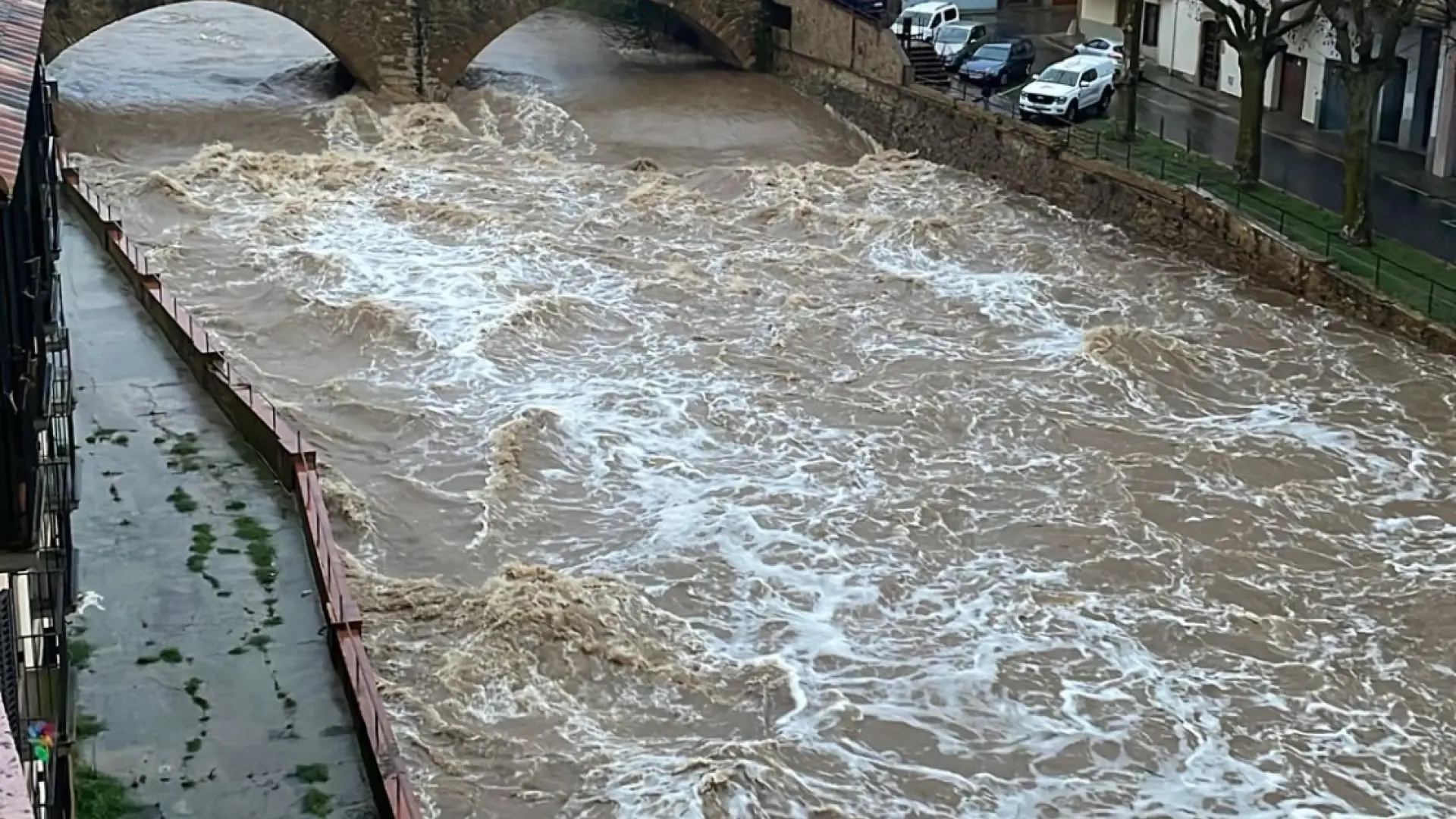
Catalonia Braces for Further Flooding as Storms Continue to Lash the coast
Following recent severe weather events over the Christmas period, Catalonia is once again on high alert as intense rainfall and strong winds batter the region, particularly impacting the Costa Brava and areas surrounding girona. The town of Palafrugell is currently experiencing significant flooding,prompting local authorities to issue warnings and implement emergency protocols. This latest bout of extreme weather comes on the heels of similar disruptions just weeks ago, raising concerns about the increasing frequency and intensity of such events and the region’s preparedness.
Recent Flooding in Palafrugell and Girona Province
Heavy rainfall throughout January 8th and 9th, 2024, has led to the overflowing of rivers and streams in Palafrugell, causing widespread disruption and damage. local emergency services are working to assist residents, evacuate those in vulnerable areas, and mitigate the impact of the rising waters.While a full assessment of the damage is still underway, initial reports indicate flooded homes, businesses, and infrastructure.
The situation echoes the challenges faced across Girona province during the Christmas and Boxing Day period (December 25th-26th, 2023). During that time, the rivers Besòs and Onyar swelled dangerously, triggering alerts and necessitating the evacuation of a residence for people with disabilities [https://www.20minutos.es/cataluna/barcelona-girona-activan-sus-planes-alerta-por-desbordamiento-rio-besos-rio-onyar_6915100_0.html]. This recent recurrence underscores the vulnerability of the region to extreme precipitation events.
Understanding the Meteorological Context
The current weather system is driven by a combination of factors.A low-pressure system situated over the Mediterranean Sea is drawing in moist air from the south, colliding with cooler air masses. This creates conditions ripe for prolonged and intense rainfall. Furthermore, the region’s topography – with steep slopes and narrow valleys – exacerbates the risk of flash floods, as rainwater rapidly accumulates and flows into river systems.
According to the Servei Meteorològic de Catalunya (Catalan Meteorological service), rainfall accumulations in some areas have exceeded 150mm in the past 24 hours, with further precipitation expected in the coming days [https://www.meteo.cat/en/avisos/]. strong winds, gusting up to 80 km/h in coastal areas, are also contributing to the hazardous conditions, possibly causing damage to infrastructure and disrupting transportation.
The Increasing Risk of Flooding in Catalonia: A Climate Change Connection
Experts increasingly link the heightened frequency and intensity of extreme weather events in Catalonia – and across the Mediterranean region – to climate change. Rising global temperatures are leading to increased evaporation, resulting in more moisture in the atmosphere.This, in turn, fuels heavier rainfall events.
“We are seeing a clear trend towards more intense precipitation episodes in the Mediterranean,” explains Dr. Elena Garcia, a climatologist at the University of Barcelona. “The warming of the Mediterranean Sea itself is a key factor, as it provides more energy and moisture to atmospheric systems.This is not just about more rain; it’s about more extreme rain, falling in shorter periods, overwhelming drainage systems and increasing the risk of flooding.”
The Intergovernmental Panel on Climate Change (IPCC) reports consistently demonstrate that the Mediterranean region is a climate change hotspot, experiencing warming at a rate 20% faster than the global average [https://www.ipcc.ch/sr15/]. This accelerated warming is projected to lead to more frequent and severe droughts, heatwaves, and, crucially, extreme precipitation events.
Emergency Response and Preparedness Measures
Catalan authorities have activated emergency response plans, deploying personnel and resources to affected areas. These measures include:
* Evacuation of vulnerable populations: Residents in low-lying areas and near overflowing rivers are being urged to evacuate to safer locations.
* Deployment of emergency services: Firefighters, police, and medical personnel are working to assist those affected by the flooding.
* Road closures: Several roads have been closed due to flooding and landslides, disrupting transportation networks.
* Activation of flood defenses: Were available, flood barriers and other protective measures are being deployed.
* Public awareness campaigns: Authorities are disseminating information to the public through various channels, including radio, television, and social media, advising on safety precautions and evacuation procedures.
However, concerns remain about the adequacy of existing infrastructure and preparedness measures. Many towns and cities in Catalonia were not designed to cope with the intensity of rainfall now being experienced. Investment in improved drainage systems, flood defenses, and early warning systems is urgently needed.
Long-Term Solutions: Adapting to a Changing Climate
Addressing the escalating flood risk requires a multi-faceted approach that combines immediate emergency response with long-term adaptation strategies. Key areas for action include:
* investing in infrastructure: Upgrading drainage systems, constructing flood barriers, and improving river management are crucial.
* Land-use planning: Restricting development in flood-prone areas and promoting sustainable land management practices can reduce vulnerability.
* Early warning systems: Developing and implementing more refined early warning systems that provide timely and accurate information to the public.
* Climate change mitigation: Reducing greenhouse gas emissions is essential to slow the pace of climate change and limit the future increase in extreme weather events.
* Community resilience: Empowering local communities to
