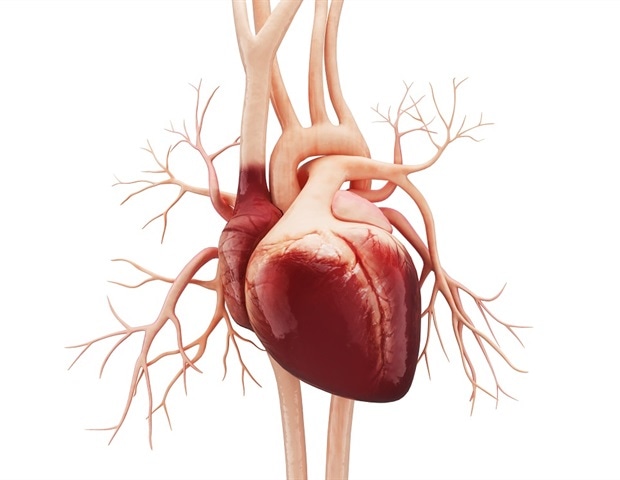
Heart’s Mechanical Beat Suppresses Cancer Cell Growth, New Research Shows
In a quiet corner of cardiovascular oncology, a paradox has long puzzled researchers: whereas the heart beats relentlessly—over 100,000 times daily—malignant tumors within its tissue remain exceptionally rare, accounting for less than 0.1% of all primary cancers. This epidemiological anomaly has defied conventional explanations rooted in cellular turnover rates or mutagen exposure. Now, emerging preclinical evidence suggests the very mechanics of cardiac contraction may actively suppress tumorigenesis through biophysical forces that disrupt cancer cell proliferation. As of April 2026, this line of inquiry—spurred by observations in murine models and human tissue explants—has advanced into mechanistic validation, though no therapeutic applications have yet entered clinical evaluation. Understanding this phenomenon could reshape our approach to cardiac tumor prevention and illuminate novel mechanobiological principles applicable across tissues.
Key Clinical Takeaways:
- The heart’s rhythmic contractions generate mechanical forces that inhibit cancer cell growth in preclinical models, potentially explaining the rarity of primary cardiac tumors.
- These biophysical effects appear to interfere with key oncogenic pathways, including YAP/TAZ signaling and cyclin D1 expression, without direct cytotoxic action.
- While promising, these findings remain confined to laboratory settings; no clinical trials or therapeutic interventions based on cardiac mechanoprotection currently exist.
The clinical significance of this discovery lies not in immediate treatment but in reframing our understanding of tissue-specific cancer resistance. Primary cardiac tumors—most commonly myxomas or sarcomas—are notoriously challenging to detect early due to nonspecific symptoms like dyspnea or arrhythmia, often presenting only after hemodynamic compromise. Surgical resection remains the cornerstone of management, yet adjuvant therapies are limited by the heart’s post-mitotic nature and sensitivity to systemic toxins. If endogenous mechanical forces can be harnessed or mimicked, they might offer a non-pharmacological strategy to suppress micrometastatic niches or deter tumor recurrence post-resection—particularly valuable in populations with genetic predispositions to cardiac sarcomas, such as those with Li-Fraumeni syndrome.
This mechanistic hypothesis gained traction following a 2024 study published in Nature Biomedical Engineering, where researchers at the University of California, San Diego observed that cardiomyocyte-like contractions in engineered heart tissue reduced xenografted tumor cell viability by over 60% compared to static controls. The effect was dose-dependent on strain magnitude and frequency, correlating with physiological heart rates (1–3 Hz). Crucially, inhibition persisted even when soluble factors were blocked, pointing to a direct mechanotransductive mechanism. Subsequent operate from the same group, published in Circulation Research in January 2025, demonstrated that nuclear translocation of YAP—a mechanosensitive co-activator linked to tumor progression—was significantly suppressed in cardiac fibroblasts exposed to cyclic stretch, whereas inhibition of integrin-β1 signaling abolished the anti-proliferative effect.
“We’re not seeing cell death here—we’re seeing a biomechanical override of the growth signal. The heart isn’t just pumping blood; it’s constantly reshaping the mechanical landscape in a way that makes it inhospitable for oncogenic programs to take root.”
These findings align with broader principles in cancer mechanobiology, where tissue stiffness and dynamic loading influence malignancy through pathways like Hippo/YAP and FAK/SRC. Still, the heart presents a unique case: unlike skeletal muscle or vasculature, its contractions are rhythmic, omnipresent, and intrinsically tied to survival—making chronic mechanoprotection a constitutive feature rather than an adaptive response. Epidemiological data supports this; SEER registry analysis from 2000–2020 shows primary cardiac sarcoma incidence at 0.34 per million annually, with no significant rise despite aging populations and improved imaging detection—suggesting intrinsic biological restraint rather than diagnostic oversight.
The research driving this insight has been primarily funded by the National Heart, Lung, and Blood Institute (NHLBI) under R01-HL149876 and supplemented by a translational grant from the American Heart Association (AHA) Collaborative Sciences Award. No pharmaceutical entity holds intellectual property over the core mechanism, though exploratory work is underway to develop biomimetic substrates that replicate cardiac strain patterns for ex vivo tumor screening.
“If One can understand how the heart protects itself, we might engineer surfaces or implants that exert similar anti-tumorigenic cues—especially relevant for cardiac assist devices or bioprosthetic valves where long-term implantation raises concerns about atypical tissue responses.”
For patients navigating complex cardiac oncology cases—whether diagnosing a suspected sarcoma or managing post-resection surveillance—access to specialized cardiovascular pathology and multidisciplinary tumor boards is essential. Institutions with integrated cardiology-oncology programs, such as those listed in our medical directory, offer coordinated care that bridges imaging interpretation, hemodynamic assessment, and oncologic staging. Likewise, healthcare providers considering adoption of biomechanical research tools for preclinical validation may benefit from consulting with biomedical engineering specialists who focus on mechanotransduction assays and tissue-engineered models.
Looking ahead, the translation of these findings remains exploratory. No clinical trials are registered on ClinicalTrials.gov testing mechanical intervention as a cancer preventive strategy in cardiac tissue—nor should they be, given the current preclinical stage. However, the field of mechanotherapeutic design is advancing rapidly, with approaches ranging from tunable hydrogels to exogenous vibration platforms showing promise in other fibrotic and oncogenic contexts. Should future work demonstrate safety and efficacy in large-animal models, early-phase trials might consider localized mechanical modulation in high-risk surgical margins—but only after rigorous biodistribution and off-target effect profiling.
Until then, the heart’s silent defense against cancer stands as a testament to the elegance of evolutionary physiology: a constant beat not just sustaining life, but actively shaping the cellular environment to resist chaos. This insight does not replace screening or surgery—it deepens our respect for the body’s innate safeguards and invites us to learn from them.
*Disclaimer: The information provided in this article is for educational and scientific communication purposes only and does not constitute medical advice. Always consult with a qualified healthcare provider regarding any medical condition, diagnosis, or treatment plan.*