
Aalen University Pioneers Digital 3D Ear Scans for personalized Hearing Solutions
Table of Contents
- Aalen University Pioneers Digital 3D Ear Scans for personalized Hearing Solutions
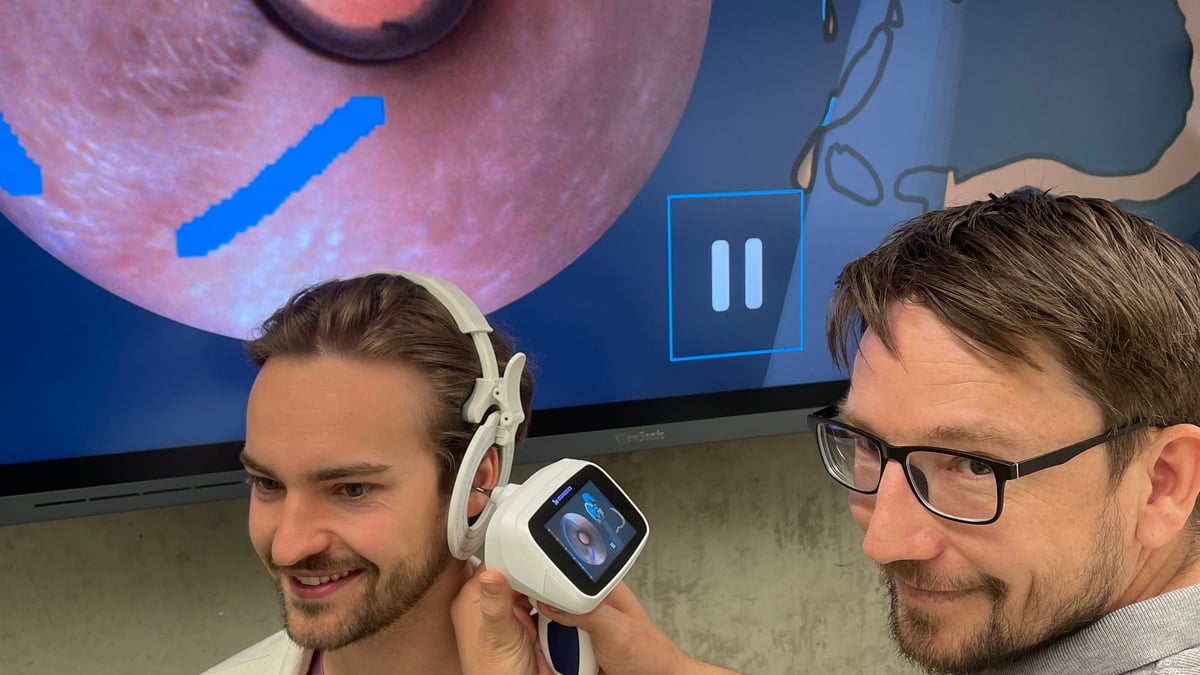
Aalen University’s audiology and Hearing Acoustics department is revolutionizing personalized hearing solutions with a new digital 3D ear canal scanner. This innovative technology promises more efficient, precise, and individualized customer care while championing sustainability. The scanner, highlighted in a recent press release, is already integrated into the university’s curriculum.
Revolutionizing Otoplasty with 3D Scanning
Course director Prof. Dr. Steffen Kreikemeier stated that their studies now encompass otoplasty, the creation of custom ear molds for hearing aids and hearing protection. Since every individual’s ear shape is unique, a precise impression is crucial for creating effective otoplastics. The new 3D ear scan technology allows students to learn using the most advanced methods alongside traditional techniques.
Did You Know? The global hearing aid market is projected to reach $10.78 billion by 2029, driven by technological advancements and an aging population [[1]].
Non-Invasive Laser Technology for Precise Ear Models
The digital ear canal scanner employs non-invasive laser technology to capture the ear’s intricate details. This process converts over a million data points into digital 3D files, which are then used to manufacture customized products. The device was acquired through the “Skinjob” research project, which focuses on developing materials for otoplastics using a novel volumetric 3D printing technique known as XOLOGURE.
The “Skinjob” Project: Enhancing Otoplastic Functionality
The “Skinjob” project aims to create a microstructure on the surface of molded parts to improve functional properties. This includes optimizing local adhesion, directing liquids, and enhancing the carrying system, ultimately leading to better hearing outcomes. the new technology also significantly reduces manufacturing time compared to conventional methods.
Pro Tip: When considering 3D printing for personalized medical devices, ensure the materials used are biocompatible and meet relevant regulatory standards.
XOLOGRAPHY Arrives at Aalen university
In the coming weeks, the Audiology competence center at Aalen University of Applied Sciences will receive a XOLOGRAPHY system to further advance the project’s goals. This addition will enable researchers to fully explore the potential of volumetric 3D printing in audiology.
| Feature | Traditional Method | Digital 3D Scan Method |
|---|---|---|
| Precision | Lower | Higher |
| Time efficiency | Lower | Higher |
| Material Waste | Higher | Lower |
| Customization | Limited | Extensive |
Sustainability in Audiology
The adoption of digital 3D ear scanning aligns with growing sustainability efforts in the audiology field. By reducing material waste and streamlining the manufacturing process, this technology contributes to a more environmentally kind approach to hearing care.
The global 3D printing market is expected to reach $55.8 billion by 2027, showcasing the technology’s growing impact across various industries [[2]].
How will advancements in 3D ear scanning impact the future of personalized hearing aids? What other applications could benefit from this precise scanning technology?
The Evolution of Hearing Aid Technology
The development of hearing aids has progressed significantly over the past century. from bulky analog devices to complex digital instruments, the focus has always been on improving sound quality and user comfort.The introduction of 3D scanning and printing represents the next leap forward, enabling truly personalized solutions tailored to each individual’s unique ear anatomy.
The Future of Personalized Medicine
The advancements at Aalen University reflect a broader trend toward personalized medicine. By leveraging technologies like 3D scanning and printing, healthcare providers can create customized treatments and devices that are more effective and comfortable for patients. This approach has the potential to revolutionize various fields, from audiology to orthopedics.
Frequently Asked Questions
Q: is 3D ear scanning safe?
A: yes, the non-invasive laser technology used in 3D ear scanning is considered safe and painless.
Q: Can 3D-printed hearing aids be adjusted?
A: Yes,digital models allow for precise adjustments to optimize the fit and performance of 3D-printed hearing aids.
Q: How long does it take to create a 3D-printed hearing aid?
A: The production time varies, but 3D printing generally reduces the overall manufacturing time compared to traditional methods.
Disclaimer: This article provides information about 3D ear scanning technology and should not be considered medical advice. Consult with a qualified healthcare professional for any hearing-related concerns.
Share this article and let us know your thoughts in the comments below! Subscribe to World Today News for more updates on technological advancements.
