
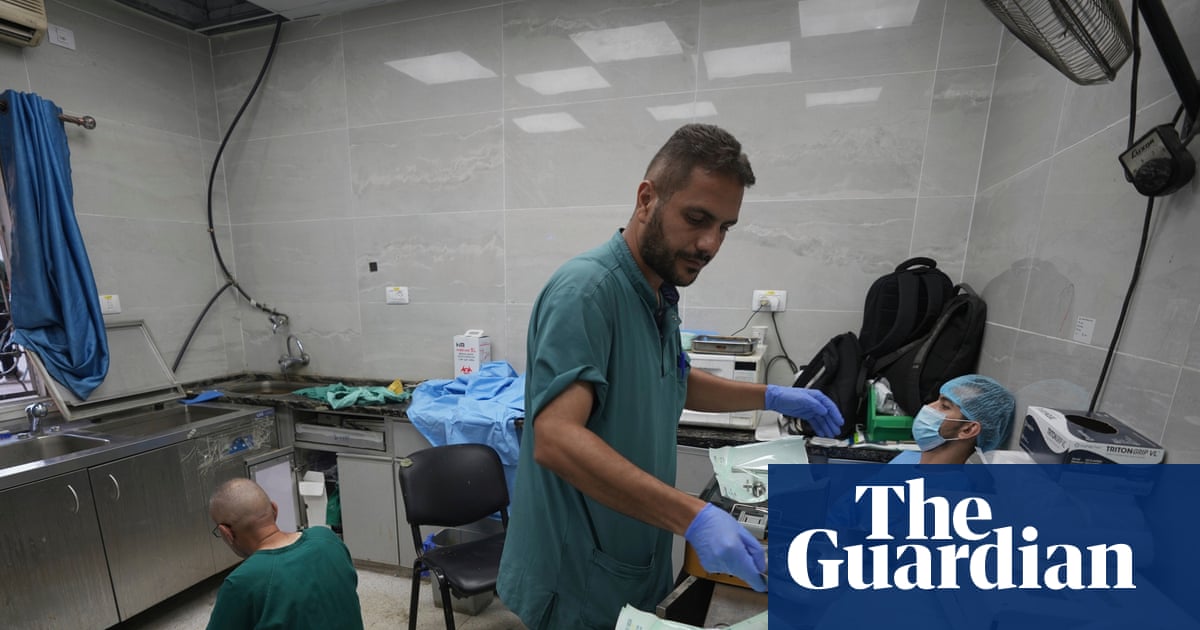
Attacks on Healthcare Reach Record High, Spark Calls for Doctors to Abandon Neutrality
Geneva, Switzerland – A new report reveals a disturbing surge in violence against healthcare systems globally, with 3,623 attacks recorded in 2024 – the highest number ever documented. The alarming statistic, released by the Safeguarding Health in Conflict Coalition (SHCC), underscores a growing disregard for international humanitarian law and is fueling a debate over the traditional principle of medical neutrality.
The SHCC data, detailed in a recent press release, paints a grim picture of deliberate targeting. Attacks ranged from physical violence against medical personnel – including beatings, arbitrary arrests, kidnapping, torture, and killings of doctors, nurses, and allied healthcare professionals – to direct assaults on facilities. Patients have been shot while in hospital beds and forcibly removed for detention, while hospitals themselves have been deliberately bombed and raided.
This escalating violence has prompted a controversial call to action within the medical community.Authors of a recent article in the BMJ are urging doctors to “forsake the principle of medical neutrality” and actively denounce what they term “healthocide” – the deliberate targeting of healthcare. They suggest this coudl involve advocating for the enforcement of international humanitarian law, meticulously documenting abuses, and publicly exposing violations of medical neutrality.
The debate centers on the limitations of existing international law. The Geneva Conventions, the cornerstone of humanitarian law in armed conflict, contain provisions that allow for the targeting of hospitals under specific circumstances. As Maarten van der Heijden, a global health lawyer at the London School of Hygiene & Tropical Medicine, explained in The Guardian, the conventions allow hospitals to be bombed if deemed “harmful to the enemy,” leaving notable room for interpretation and hindering accountability. The full text of the Geneva Conventions and related treaties can be found on the ICRC website.
The British Medical Association (BMA) acknowledges the growing crisis. Dr.Andrew Green, chair of the BMA’s medical ethics committee, expressed devastation at the increasing attacks on healthcare workers and facilities. He highlighted the especially dire situation in Gaza, where a population facing imminent famine also experiences the systematic destruction of its healthcare infrastructure and the targeting of medical personnel.
“In recent years, doctors have been devastated to see the appalling increase in attacks on healthcare, patients and staff in conflict zones, and the disregard for medical neutrality and international humanitarian law,” Dr. Green stated.
The BMA is calling for a multi-pronged response, urging international medical associations, NGOs, governments, and the United Nations to actively condemn abuses of human and health rights and hold perpetrators accountable. A key proposal is the establishment of a UN special rapporteur dedicated to the protection of health in armed conflict.
The UK government has stated its concern, with Foreign, Commonwealth and Advancement Office minister Hamish Falconer previously indicating that the UK is urging Israeli authorities to investigate incidents transparently and ensure accountability.
The Historical Context of Medical Neutrality:
the principle of medical neutrality, deeply rooted in the history of warfare, aims to protect healthcare personnel and facilities from deliberate attack, allowing them to provide care to all those in need, nonetheless of affiliation. This concept gained prominence with the founding of the International Committee of the Red cross (ICRC) and the drafting of the Geneva conventions in the mid-19th century. However, the effectiveness of this principle has been repeatedly challenged throughout history, and increasingly so in contemporary conflicts.
The current surge in attacks raises basic questions about the future of medical neutrality and whether a more assertive stance from the medical community is necessary to safeguard healthcare in conflict zones.The debate is likely to continue as the international community grapples with the escalating violence and the urgent need to protect those providing essential medical care in the world’s most dangerous environments.
Resources:
Safeguarding Health in Conflict Coalition: https://insecurityinsight.org/wp-content/uploads/2024/05/2023-SHCC-Press-Release-critical-Conditions.pdf
The Guardian Article: https://www.theguardian.com/global-development/2025/feb/26/the-well-worn-playbook-for-bombing-hospitals-in-war-deny-deflect-justify-time-for-the-law-to-close-these-loopholes
* Geneva Conventions:[https://ihl-databases.icrc.org/en/ihl-treaties/geneva-conventions-1949additional-protocols-
