
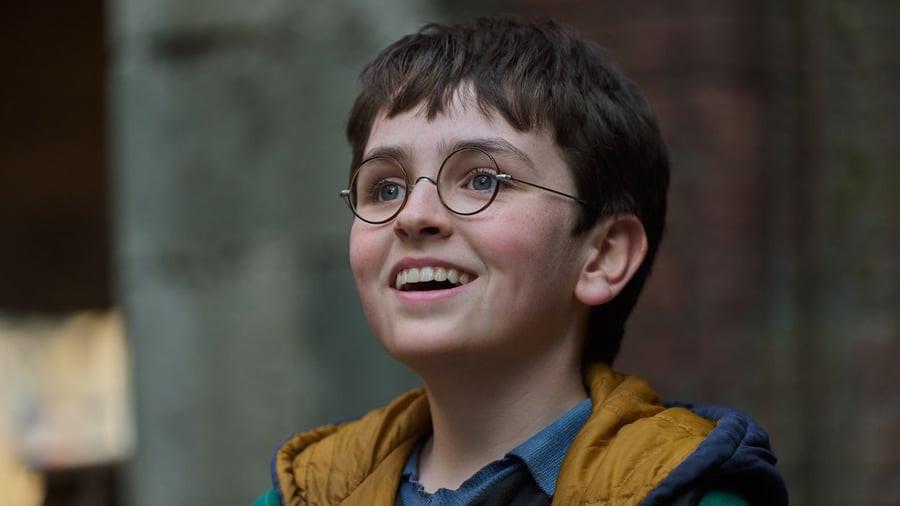
Harry Potter HBO Series: Trailer Divides Fans – Reboot Worth the Magic?
The Boy Who Lived… Again: HBO’s Harry Potter Reboot and the Perils of Nostalgia
HBO’s long-awaited Harry Potter television series is officially on track for a Christmas 2026 premiere, debuting with an eight-episode adaptation of *Harry Potter and the Philosopher’s Stone*. The first trailer has ignited both excitement and apprehension among fans, raising questions about the necessity of revisiting a story so recently – and successfully – rendered on film, and the delicate balance between honoring the source material and justifying a multi-season, potentially decade-long commitment. The series, starring Dominic McLaughlin, Arabella Stanton, and Alastair Stout as Harry, Hermione, and Ron respectively, aims to recapture the magic for a modern generation, but faces the challenge of navigating a complex cultural landscape and a fanbase deeply invested in the original adaptations.
The Streaming Wars and the Value of Established IP
The decision to adapt J.K. Rowling’s seven novels for television isn’t simply a creative endeavor; it’s a calculated business move in the increasingly competitive streaming landscape. Warner Bros Discovery, parent company of HBO Max, is betting heavily on the enduring appeal of the Harry Potter franchise. As JB Perrette, streaming chief at Warner Bros Discovery, stated, the series is positioned as “the streaming event of the decade,” signaling a significant financial investment and a belief in its potential to drive subscriptions. This strategy aligns with a broader industry trend of leveraging established intellectual property (IP) to attract and retain viewers. The original Harry Potter films grossed nearly $10 billion globally, demonstrating the franchise’s immense commercial viability. However, the success of a streaming series hinges on sustained engagement, requiring a narrative depth and character development that a film series, even one as expansive as Harry Potter, couldn’t fully explore. This is where the extended format of television offers a distinct advantage, potentially allowing for a more faithful and nuanced adaptation of the books. The backend gross potential for a series of this scale is enormous, particularly considering syndication rights and ancillary revenue streams.
Nostalgia vs. Reinvention: A Tightrope Walk
The trailer’s emphasis on nostalgia – familiar sets, costumes, and visual cues – is a double-edged sword. Whereas it’s likely to resonate with longtime fans, it likewise raises concerns about a lack of originality. Many viewers, as evidenced by early reactions, are questioning the require for a reboot so soon after the films concluded. The challenge for the showrunners is to strike a balance between honoring the beloved source material and offering a fresh perspective. As entertainment attorney, Sarah Chen, of Chen & Associates IP Law, explains, “Reboots are inherently risky. You’re dealing with pre-existing brand equity, but also pre-existing expectations. The legal team will be meticulously reviewing every aspect of the production to ensure compliance with copyright and trademark laws, but the real battle is winning over the audience.” The series’ decision to title the first season *Harry Potter and the Philosopher’s Stone* – the original UK title – is a subtle nod to purists, suggesting a commitment to a more faithful adaptation.
The Shadow of Controversy: Rowling’s Involvement and Fan Backlash
The reboot isn’t occurring in a cultural vacuum. J.K. Rowling’s increasingly vocal views on transgender issues have cast a shadow over the franchise, leading to calls for boycotts and public distancing from the author by several actors from the original films. Rowling remains an executive producer on the series, a decision that has further fueled the controversy. This presents a significant PR challenge for HBO Max. The studio will likely need to engage specialized crisis communication firms to navigate the potential backlash and mitigate reputational damage. The series’ success may depend, in part, on its ability to separate itself from the author’s personal views and focus on the core themes of the story: friendship, courage, and the fight against prejudice. The delicate balancing act of acknowledging the source material while distancing from its creator is a new frontier in franchise management.
Casting Choices and the Search for a New Generation of Stars
The casting of Dominic McLaughlin, Arabella Stanton, and Alastair Stout as Harry, Hermione, and Ron represents a deliberate attempt to recapture the magic of the original trio’s breakout success. Like Daniel Radcliffe, Emma Watson, and Rupert Grint before them, these young actors are relatively unknown, offering the potential for a similar level of audience investment. The focus on discovering new talent aligns with the franchise’s history of launching careers. However, the pressure on these actors will be immense, as they inevitably face comparisons to their predecessors. Talent agencies, such as Sterling & Stone Talent, will play a crucial role in managing their public image and navigating the challenges of sudden fame. The success of the series could hinge on the audience’s willingness to embrace a new generation of wizards.
The Logistical Challenges of a Decade-Long Production
Adapting seven novels over the course of a decade is a logistical undertaking of epic proportions. The production will require meticulous planning, a dedicated crew, and a significant financial commitment. The series’ extended run time – potentially hundreds of hours of content – presents unique challenges in terms of maintaining creative consistency and audience engagement. Event management companies specializing in large-scale productions will be essential for coordinating everything from set construction to location scouting. The series’ premiere on Christmas 2026 will undoubtedly create a surge in demand for accommodations and services in the surrounding areas, requiring close collaboration with local hospitality sectors. The scale of the production will also necessitate robust security measures to protect the cast, crew, and intellectual property.
The Harry Potter reboot is more than just a television show; it’s a cultural phenomenon in the making. Its success will depend on its ability to navigate a complex web of creative, commercial, and cultural challenges. Whether it can recapture the magic of the original films remains to be seen, but one thing is certain: the wizarding world is about to return to our screens, and the stakes are higher than ever.
Disclaimer: The views and cultural analyses presented in this article are for informational and entertainment purposes only. Information regarding legal disputes or financial data is based on available public records.