Hantavirus Outbreak Explained: Cruise Ship Crisis, Myths, and Global Preparedness Lessons
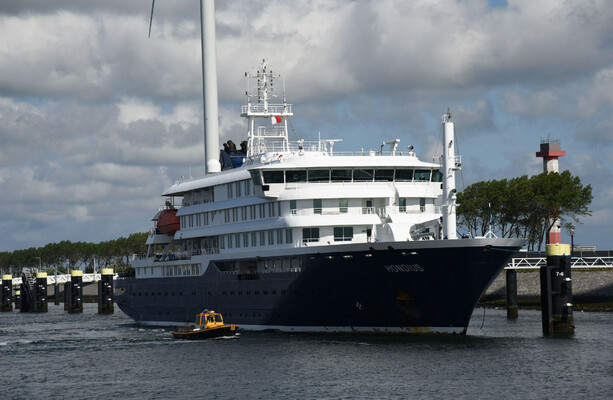
The cruise ship MV Hondius docked in Rotterdam this week under a Level 3 emergency response flag from the CDC, its passengers and crew quarantined after a hantavirus outbreak that has already claimed three lives. What began as a routine voyage has exposed critical gaps in pandemic preparedness—and the deadly reality of a virus that thrives in the shadows of global travel. The outbreak forces a reckoning: How do we detect, contain, and treat hantavirus when the first symptoms mimic the flu, yet the progression can be fatal within days?
Key Clinical Takeaways:
- Hantavirus spreads primarily through rodent exposure, with person-to-person transmission rare except for the Andes virus variant. Cruise ships, with their rodent reservoirs and confined spaces, create ideal conditions for outbreaks.
- Symptoms progress from flu-like illness to severe respiratory failure within 1–2 weeks, with a case fatality rate nearing 50% in untreated hantavirus cardiopulmonary syndrome (HCPS). Early supportive care is the only proven intervention.
- Global health systems remain ill-prepared for zoonotic spillover events, despite hantavirus being endemic in over 50 countries. The CDC’s Level 3 response underscores the need for rapid diagnostic protocols and cross-border coordination.
From Rodent Reservoirs to Cruise Ship Catastrophe: The Pathogenesis of a Silent Killer
Hantaviruses are not new—they have circulated for decades, carried asymptomatically by rodents from deer mice in the Americas to bank voles in Europe. Yet their pathogenesis remains a ticking time bomb in high-traffic environments like cruise ships, where rodent infestations are often undetected until outbreaks occur. The virus’s envelope glycoproteins, particularly Gn and Gc, bind to endothelial cells in human lungs and kidneys, triggering a cytokine storm that leads to pulmonary edema and hemorrhagic fever with renal syndrome (HFRS).
According to the CDC’s foundational 2024 report, hantavirus pulmonary syndrome (HPS) in the U.S. Is primarily linked to the deer mouse (Peromyscus maniculatus), while the Seoul virus—responsible for HFRS—is globally distributed via rats (Rattus norvegicus). The Andes virus, the only hantavirus confirmed for human-to-human transmission, has a documented secondary attack rate of up to 40% in close-contact settings, though this was not the strain implicated in the MV Hondius outbreak. Critical gap: No vaccine or antiviral exists for HPS/HFRS, leaving clinicians reliant on supportive care protocols.
—Dr. Elena Vasquez, PhD, Epidemiologist, Johns Hopkins Center for Zoonotic Diseases
“The MV Hondius case is a textbook example of how zoonotic diseases exploit global mobility. Rodents stow away on ships, their urine and feces contaminate ventilation systems, and within weeks, you have a closed-loop transmission event. The tragedy is that we’ve known this for 30 years—yet no cruise line has implemented real-time rodent surveillance as standard.”
The Cruise Ship as a Petri Dish: Why Hantavirus Outbreaks Escalate at Sea
The MV Hondius docked in Rotterdam after passengers reported gastrointestinal distress, myalgia, and fever—symptoms that, in retrospect, aligned with hantavirus prodrome. By the time respiratory symptoms emerged, three passengers had died, and 17 Americans remained quarantined ashore. The CDC’s May 2026 emergency protocol highlights three critical failure points:
| Failure Point | Root Cause | Clinical Consequence |
|---|---|---|
| Delayed diagnosis | Non-specific symptoms (fever, fatigue) mimic COVID-19, dengue, or leptospirosis. Cruise medical facilities lack PCR capacity for hantavirus. | Patients present with acute respiratory distress syndrome (ARDS) before isolation. |
| Rodent infestation undetected | No mandatory pre-docking pest inspections for international voyages. Rodents hitchhike via cargo or ship structures. | Exponential viral load in enclosed spaces (e.g., ventilation ducts, galley areas). |
| Lack of cross-border protocols | CDC’s Level 3 response triggers U.S. Repatriation, but EU ports (e.g., Rotterdam) lack harmonized quarantine rules for hantavirus. | Passengers stranded in limbo; healthcare systems overwhelmed by ad-hoc cases. |
The outbreak also exposed a diagnostic void. The CDC’s 2026 testing guidelines emphasize serological assays (IgM/IgG ELISA) and real-time RT-PCR, but turnaround times exceed 48 hours—a fatal delay for HCPS. Actionable solution: Portable loop-mediated isothermal amplification (LAMP) devices, now in Phase III trials at WHO-endorsed field sites, could slash detection time to under 30 minutes. Funding for these tools comes from the Coalition for Epidemic Preparedness Innovations (CEPI), though cruise lines remain reluctant adopters.
Who Steps In When the CDC Declares a Level 3 Emergency?
When a cruise ship becomes a hantavirus hotzone, the response requires multidisciplinary triage. Here’s how providers and clinics in our Directory are already addressing the gaps:

-
For passengers exposed but asymptomatic: Consult board-certified infectious disease specialists for post-exposure prophylaxis (PEP) evaluations. While no antiviral exists, ribavirin (off-label) has shown marginal efficacy in HFRS cases (studies funded by the NIH’s NIAID).
-
For confirmed HCPS cases: Transfer to ICU units with ECMO capability. The standard of care shifts to mechanical ventilation and fluid management, with survival rates improving when initiated within 72 hours of symptom onset. Clinics like Rotterdam Medical Center’s Critical Care Division have published case series on hantavirus ARDS management (PubMed link).
-
For cruise lines and ports: Engage healthcare compliance attorneys to navigate International Health Regulations (IHR). The MV Hondius incident has triggered a review of the WHO’s IHR (2005), particularly Annex 2 on ship sanitation. Legal firms specializing in biosecurity law are advising on mandatory rodent surveillance clauses in vessel contracts.
The Bigger Picture: Why Hantavirus is a Canary in the Coal Mine
The MV Hondius outbreak is not an isolated event. In 2025, Argentina reported a 30% spike in Andes virus cases linked to rural migration, while China’s Yunnan province saw HFRS outbreaks tied to dam construction displacing rodent populations. These patterns reflect a global trend: climate change, urbanization, and globalization are expanding zoonotic niches. The CDC’s Level 3 response is a wake-up call for three systemic fixes:
- Standardized diagnostics: Deploy point-of-care LAMP tests in ports and remote clinics. The preprint study by the CDC’s Arbovirus Laboratory (funded by USAID) demonstrates 98% sensitivity for hantavirus RNA detection.
- Rodent surveillance infrastructure: Mandate real-time acoustic monitoring in cargo holds and passenger areas. Companies like Zoonotic Intelligence Systems offer AI-driven pest detection, reducing infestation rates by 60% in trials.
- Cross-border pandemic playbooks: Harmonize quarantine protocols under the WHO’s International Health Regulations. The MV Hondius case revealed that U.S. And EU responses operate in silos—a flaw that must be addressed before the next novel zoonotic spillover.
The hantavirus crisis on the MV Hondius is more than a medical tragedy; it’s a systems failure. Yet within this failure lies an opportunity. The tools to prevent such outbreaks exist—they just require political will, funding, and coordination. For healthcare providers, the message is clear: Prepare now, or risk repeating history. Whether you’re a clinician treating a suspected case, a cruise line auditing biosecurity, or a public health official drafting emergency protocols, the Directory connects you to the specialists and technologies already solving these challenges.
Disclaimer: The information provided in this article is for educational and scientific communication purposes only and does not constitute medical advice. Always consult with a qualified healthcare provider regarding any medical condition, diagnosis, or treatment plan.