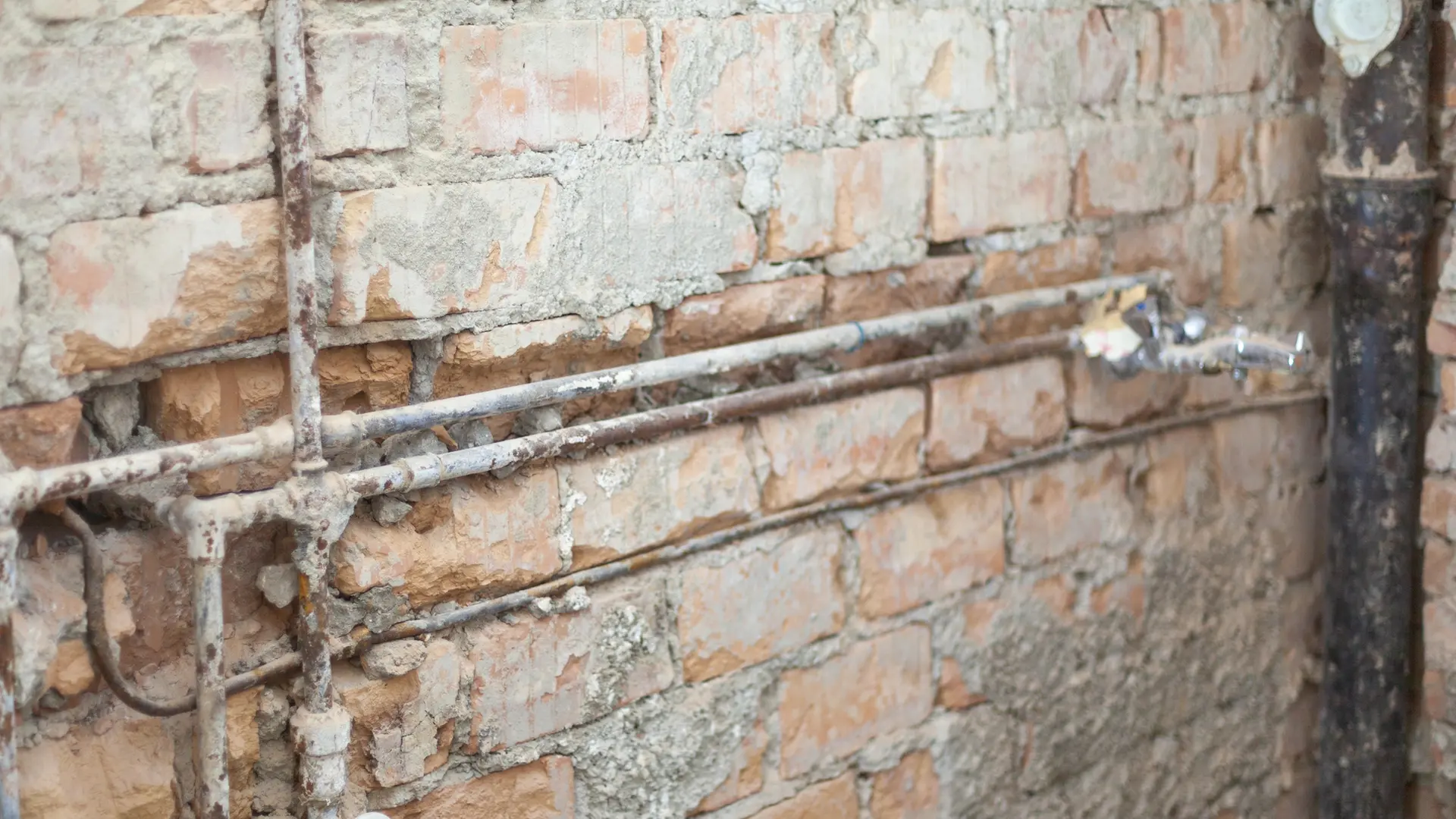
Hamburg Property Owners Warned of High Sewage Pipe Leakage Rates
Regulatory Volatility and the Hamburg Infrastructure Mandate
Hamburg property owners face significant regulatory uncertainty as the CDU moves to overturn laws mandating wastewater pipe inspections. With current assessments indicating that 30% to 50% of relevant infrastructure components are facing scrutiny, the proposed legislative shift threatens to disrupt local property valuations, maintenance cycles, and long-term capital allocation strategies for urban real estate portfolios.

The tension currently unfolding in Hamburg is a classic study in regulatory risk. Under existing municipal law, owners of property within the city are legally obligated to ensure the watertightness of their wastewater pipes. This mandate serves as a critical line of defense against subterranean structural degradation and environmental contamination. However, the political landscape is shifting. The CDU has signaled an intent to overturn this specific legal requirement, creating a potential vacuum in municipal oversight that leaves institutional and private investors alike in a state of tactical limbo.
For the professional investor, the math is simple: uncertainty is a tax on capital. When the legal requirements for asset maintenance are subject to the whims of political cycles, the ability to accurately model long-term depreciation and maintenance CapEx (Capital Expenditure) is severely compromised. This is not merely a localized compliance issue; This proves a fundamental challenge to the predictability of urban asset management.
The Fiscal Implications of Legislative Instability
The proposal to dismantle the current inspection framework introduces a layer of “hidden” risk into the Hamburg real estate market. If the mandate is removed, the immediate relief for property owners’ balance sheets will likely be offset by a significant increase in the risk premium demanded by lenders and insurers. The lack of verified structural integrity in subterranean infrastructure can lead to catastrophic failures, which, when unmanaged, result in massive unbudgeted liabilities.
As the debate progresses, the market is bracing for three primary structural shifts:
- Valuation Volatility and Due Diligence Costs: In the absence of a clear legal mandate, the burden of proof for “watertightness” shifts from a regulatory checkbox to a critical component of private due diligence. Prospective buyers will likely demand more rigorous—and expensive—pre-acquisition inspections to mitigate the risk of undisclosed infrastructure failure. This increases the friction in transaction cycles and may impact overall market liquidity.
- Reallocation of Liability: A legislative reversal could trigger a complex legal battle over who bears the cost of environmental damage or structural subsidence caused by leaking pipes. Without a clear statutory framework, liability may drift from the municipality to the individual property owner or the commercial landlord, necessitating more robust risk management and insurance strategies.
- CapEx and OpEx Predictability: For large-scale real estate investment trusts (REITs) and commercial landlords, predictable operating expenses (OpEx) are essential for maintaining yield. The potential removal of a standardized inspection cycle makes it difficult to schedule preventative maintenance, potentially turning routine repairs into emergency, high-cost interventions that erode EBITDA margins.
The crux of the problem lies in the discrepancy between current infrastructure health and the proposed regulatory relaxation. According to reporting from NDR, figures indicate that 30% to 50% of the relevant infrastructure components are currently facing issues related to these mandates. This high percentage suggests that the underlying physical risk is substantial, regardless of whether the legal obligation to monitor it remains in place.
“The intersection of municipal environmental policy and private property rights is where the most significant valuation risks are currently hiding. When you remove the regulatory floor, you don’t just reduce costs; you increase the opacity of the asset.”
The move by the CDU to overturn the law highlights a growing friction between the desire to reduce the administrative and financial burden on property owners and the necessity of maintaining urban structural integrity. From a purely fiscal perspective, the removal of such mandates often creates a “maintenance gap”—a period where deferred maintenance leads to an exponential increase in long-term repair costs.
Mitigating Risk in a Shifting Compliance Landscape
As the legislative trajectory in Hamburg remains unsettled, sophisticated market participants are already adjusting their defensive postures. The focus is shifting from simple compliance to comprehensive asset lifecycle management. To navigate this period of volatility, stakeholders are increasingly turning to specialized external partners to validate their holdings.
For institutional landlords and developers, the priority is securing verified data. This often involves engaging specialized civil engineering and infrastructure inspection firms to conduct independent audits that exceed the current (or future) legal minimums. By establishing a baseline of structural integrity now, owners can protect themselves against future liability claims and ensure their assets remain attractive to risk-averse lenders.
the potential for litigation regarding unmapped or uninspected infrastructure means that real estate law firms are seeing increased demand for counsel on municipal compliance and liability shielding. Navigating the gap between what is legally required and what is fiscally prudent is becoming a core competency for modern property management.
Whether the CDU succeeds in its attempt to overturn the law or the current mandate is upheld, the message to the market is clear: the era of assuming subterranean infrastructure is “set and forget” is over. Investors who fail to account for the physical reality of aging wastewater systems—regardless of the prevailing political sentiment—will find themselves exposed to significant, unhedged volatility in the coming fiscal quarters.
To stay ahead of these shifting regulatory benchmarks and secure your portfolio against infrastructure-related liabilities, consult the World Today News Directory to find vetted strategic risk consultants and technical specialists prepared for the Hamburg market’s evolving landscape.