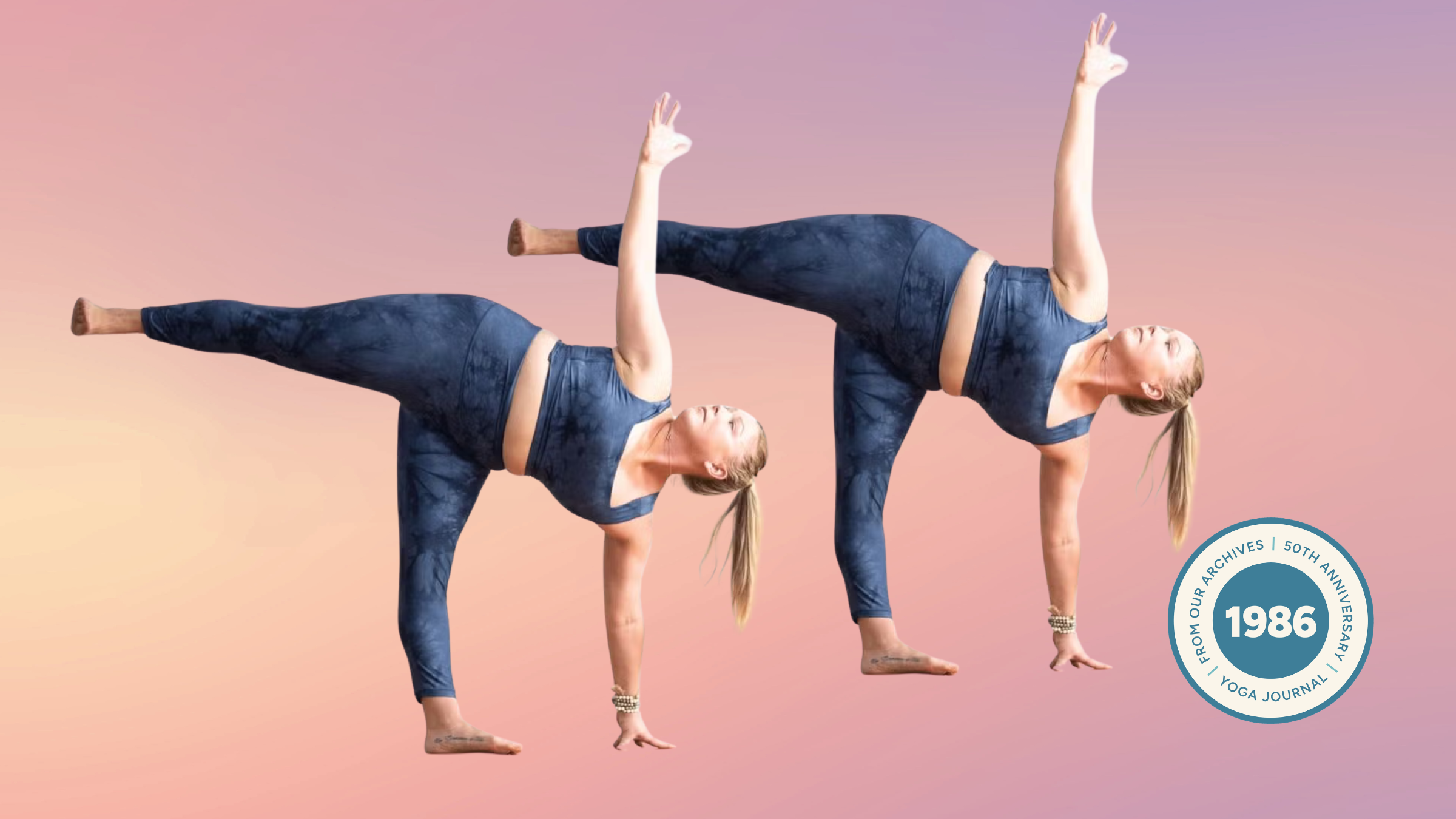
Half Moon Pose: The Surprising Cool Down Your Body Needs
Half Moon Pose, or Ardha Chandrasana, functions as a sophisticated neuromuscular challenge that requires precise stabilization of the hip abductors, core musculature, and proprioceptive pathways. While often categorized as a standard yoga posture, clinical observation suggests that this pose serves as an effective, low-impact intervention for improving balance, increasing joint stability, and mitigating the effects of sedentary-induced postural fatigue. By placing the body at the “edge” of its physical limits, practitioners engage in a controlled form of vestibular training that enhances spatial awareness and structural alignment.
Key Clinical Takeaways:
- Neuromuscular Engagement: The pose requires sustained activation of the gluteus medius and core, which are essential for pelvic stability and injury prevention.
- Proprioceptive Training: Regular practice improves vestibular function and spatial orientation, critical factors in reducing fall risk among aging populations.
- Regulatory Context: While beneficial for musculoskeletal health, individuals with pre-existing vestibular disorders or acute joint pathology should consult a specialist before integrating advanced balance poses into their routine.
The Physiology of Lateral Stabilization
The efficacy of Half Moon Pose lies in its demand for unilateral stability. According to research published in the Journal of Bodywork and Movement Therapies, yoga-based stabilization exercises promote significant improvements in core endurance and postural control. When transitioning into the pose, the body must resist gravity through the engagement of the hip abductors, specifically the gluteus medius, which acts as the primary stabilizer for the pelvis. This mechanical requirement forces a departure from habitual movement patterns, effectively “resetting” the tonicity of the trunk and lower extremities.
For patients experiencing chronic instability or those recovering from orthopedic soft-tissue injuries, the integration of such poses should be managed under the guidance of a professional. If you are struggling with persistent balance issues or joint discomfort, it is essential to consult with a vetted board-certified physical therapist or orthopedic specialist to ensure your movement protocols are safe and targeted toward your specific clinical needs.
Proprioception and Vestibular Integration
Proprioception—the body’s ability to perceive its position in space—is a critical component of long-term mobility. The “edge” of the pose, characterized by the moment of maximum extension and balance, challenges the cerebellum to process rapid sensory feedback. Clinical studies, such as those indexed via PubMed Central, demonstrate that complex balance training can augment the neural pathways responsible for maintaining equilibrium. By focusing on a fixed point, or drishti, practitioners perform a form of visual-vestibular integration that mimics the clinical testing used in balance rehabilitation programs.
This neurological demand distinguishes Half Moon Pose from passive stretching. It is not merely a static hold; it is an active engagement of the motor cortex. For those navigating the complexities of chronic vestibular or neurological conditions, these movements must be performed with caution. If you are seeking diagnostic clarity regarding your balance or motor control, identifying a specialized neurology center or diagnostic clinic is a necessary step in establishing a baseline and preventing secondary morbidity.
Clinical Considerations and Risk Management
While the benefits to musculoskeletal health are well-documented, the pose carries inherent risks for individuals with specific contraindications, including acute lumbar disc herniation, severe osteoarthritis, or vertigo. Clinical best practices dictate that any new exercise regimen should be evaluated against the patient’s medical history. The objective is to achieve a stimulus that promotes strength without exceeding the structural integrity of the joint.
Healthcare providers often emphasize that the “cool down” effect of such poses is not about relaxation in the traditional sense, but about the nervous system transitioning from a high-stress, sympathetic-dominant state to a parasympathetic-dominant state. This transition is mediated by controlled breathing and the sustained focus required to maintain balance. As the population ages, maintaining these neuromuscular pathways becomes a standard of care for longevity and fall prevention. If you or your organization are looking to integrate evidence-based wellness into your care pathways, engaging with a clinical wellness consultant can help bridge the gap between abstract movement theory and patient-centered practice.
Future Directions in Movement Science
The trajectory of clinical research into yoga-based interventions remains robust, with ongoing investigations into its role in chronic pain management and mental health. As we move toward 2027, the focus is shifting toward quantifying the specific dosage—duration, frequency, and intensity—required to achieve statistically significant outcomes in clinical populations. Future studies will likely utilize more sophisticated motion-capture technology to map the precise recruitment of deep stabilizers during poses like Ardha Chandrasana.
For those seeking to optimize their health through targeted movement, the integration of clinical expertise is the most reliable way to avoid injury and ensure progress. As the medical community continues to validate these interventions, the emphasis remains on personalization and the avoidance of “one-size-fits-all” approaches. Prioritizing care through established channels remains the standard for achieving sustainable health outcomes.
Disclaimer: The information provided in this article is for educational and scientific communication purposes only and does not constitute medical advice. Always consult with a qualified healthcare provider regarding any medical condition, diagnosis, or treatment plan.