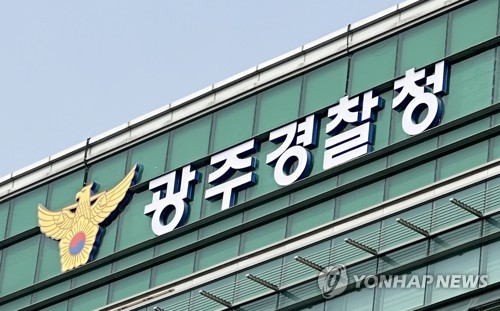
Gwangju Police Address Allegations of Poor Investigation in Jang Yun-ki Case
Gwangju police officials have officially declared that no investigation will be opened into the father of Jang Yun-gi, citing a lack of evidence regarding his alleged collusion in the ongoing case.
The Origins of Public Distrust and Allegations of Bias
The controversy centers on the Gwangju Gwangsan Police Station, which has faced intense criticism regarding its handling of the Jang Yun-gi case. Allegations of a “botched investigation” have gained traction, fueled by reports that the suspect’s father is a serving police officer and that other family members hold positions within the law enforcement hierarchy.

For citizens and legal observers, the primary concern is not merely the outcome of the investigation, but the integrity of the process. When law enforcement agencies investigate their own—or the families of their own—the risk of institutional bias becomes a significant barrier to justice.
Police Response and the Internal Investigation Timeline
Following the emergence of these allegations, the acting police chief has taken an active role, cutting short a planned trip to acknowledge the gravity of the situation. The official stance from the Gwangju police remains that there is no circumstantial evidence to suggest the father was involved in any illicit coordination.
The Gwangju Gwangsan Police Station has a documented history of scrutiny. Previous reports from the National Human Rights Commission of Korea have flagged the station for improper evidence collection practices. This historical context makes current claims of a "clean" investigation difficult for many in the community to accept without independent verification.
The Legal Infrastructure of Conflict of Interest
The involvement of high-ranking police family members in the social and professional circles of the investigators creates a "conflict of interest" environment that necessitates external review.
Bridging the Gap Between Law Enforcement and Public Accountability
The situation in Gwangju serves as a stark reminder of the complexities involved in municipal law enforcement.