
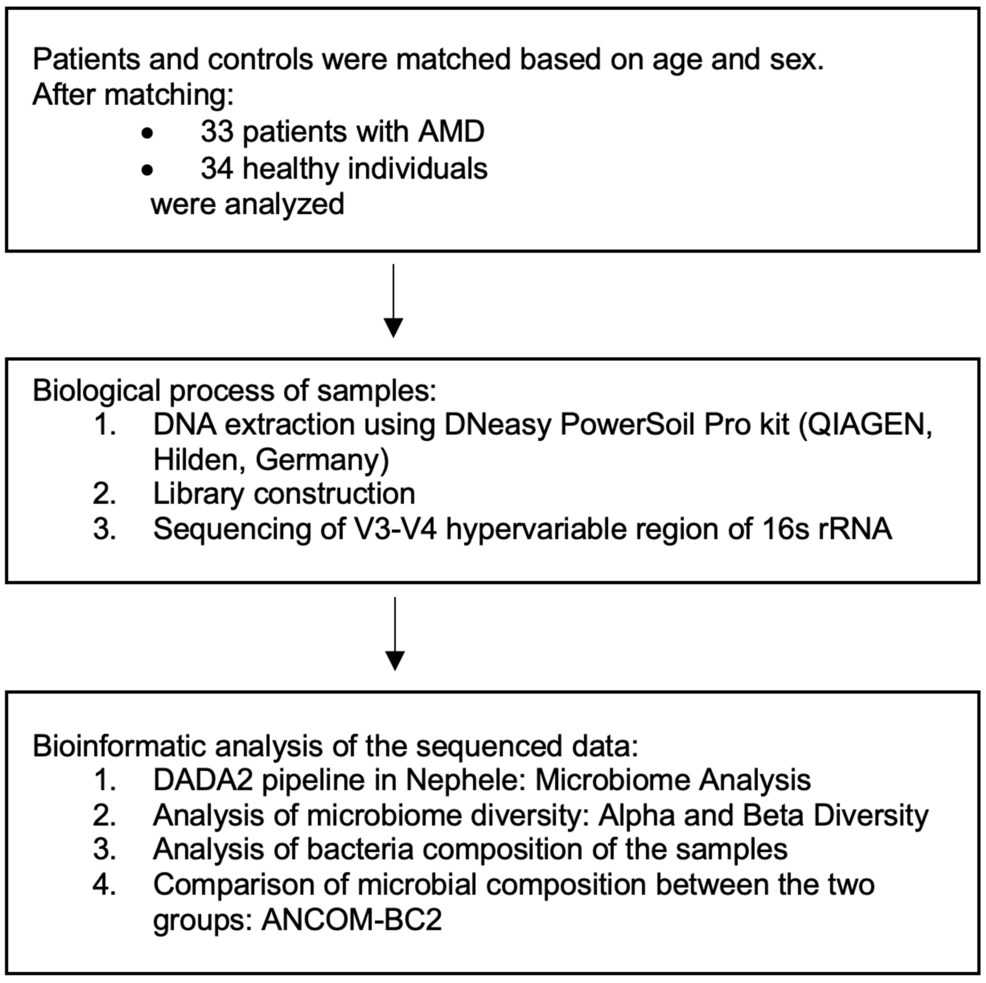
A new study published in Cureus has identified distinct differences in the gut microbiome composition of patients newly diagnosed with neovascular age-related macular degeneration (AMD) compared to healthy individuals. The research, utilizing 16S rRNA gene sequencing, suggests a potential link between the intestinal microbiome and the development of this leading cause of vision loss.
Researchers analyzed fecal samples from patients with newly diagnosed, active neovascular AMD and a control group. The study revealed significant variations in the abundance of several bacterial taxa. Specifically, individuals with AMD exhibited alterations in the relative abundance of certain gut bacteria, indicating a dysbiosis – an imbalance in the microbial community. While the precise mechanisms remain unclear, the findings add to a growing body of evidence highlighting the gut-eye axis and the microbiome’s broader role in ocular health.
The study’s findings align with emerging research demonstrating the complex interplay between the gut microbiome and various systemic diseases. Recent investigations, as reported by Healio, have revealed the multifaceted role of the gut microbiome in both ocular health and disease. This includes not only AMD but also other conditions like diabetic retinopathy and glaucoma. The gut microbiome influences systemic inflammation, immune responses, and metabolic pathways, all of which can impact ocular tissues.
Further supporting this connection, research published in Frontiers indicates that a microbiome exists not only in the gut but also within the neuroretina and choroid – layers of the eye crucial for vision. This ocular microbiome responds rapidly to retinal injury, suggesting a dynamic relationship between the local and systemic microbial environments. The presence of a microbiome within the eye itself challenges traditional views of ocular immunity and opens new avenues for therapeutic intervention.
The Cureus study did not establish a causal relationship between gut dysbiosis and AMD. However, the observed differences in microbiome composition raise the possibility that modulating the gut microbiome could potentially influence the progression of the disease. Future research will need to investigate whether specific microbial signatures can serve as biomarkers for AMD risk or predict treatment response. The study authors did not comment on potential therapeutic interventions.
The nature of the ocular microbiome, as detailed in a recent Nature publication, is increasingly recognized as a critical factor in maintaining ocular homeostasis. Understanding the composition and function of these microbial communities is essential for developing novel strategies to prevent and treat ocular diseases. The interplay between the gut and ocular microbiomes remains an active area of investigation, with ongoing studies exploring the potential for targeted microbial therapies.
