
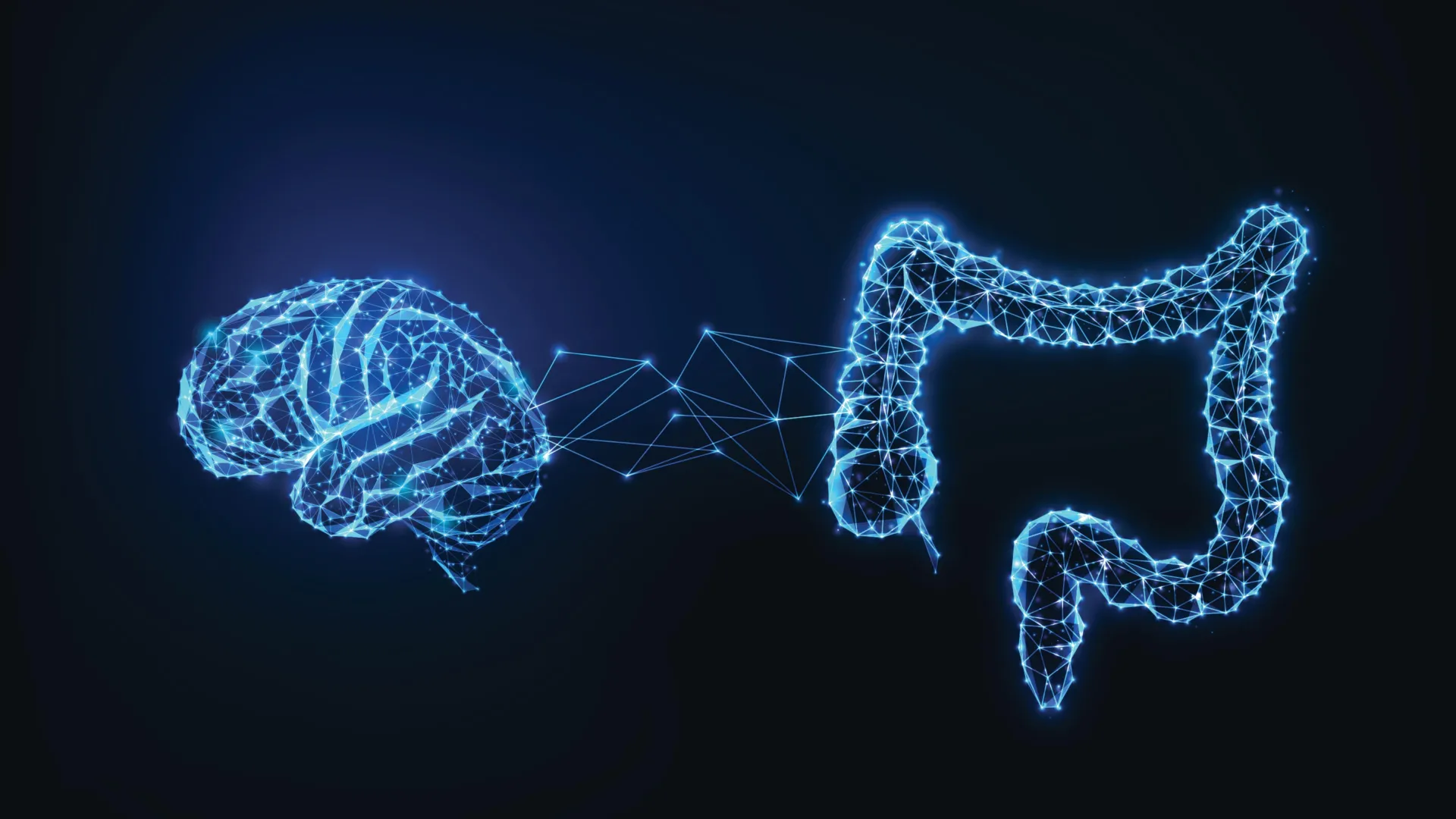
Gut Bacteria Linked to ALS and Frontotemporal Dementia
The longstanding mystery of why some individuals succumb to neurodegenerative collapse while others with identical genetic risks remain healthy may have finally been solved. New evidence suggests the trigger isn’t solely in the brain, but in the gut microbiome’s chemical output.
Key Clinical Takeaways:
- Researchers identified inflammatory glycogen, a sugar produced by harmful gut bacteria, as a trigger for immune responses that damage brain cells.
- A study of ALS and FTD patients revealed that 70% carried dangerous levels of this bacterial glycogen, compared to only one-third of healthy controls.
- Animal models demonstrate that reducing these harmful bacterial sugars improves brain health and extends lifespan, suggesting a new therapeutic target.
Amyotrophic Lateral Sclerosis (ALS) and Frontotemporal Dementia (FTD) are among the most aggressive neurodegenerative conditions known to medicine. FTD ravages the frontal and temporal lobes, stripping patients of their personality, language and behavioral control. ALS targets the motor neurons, leading to a progressive loss of muscle function and eventual paralysis. For decades, the clinical community has sought the “missing link” in the pathogenesis of these diseases, searching through genetic markers, environmental toxins, and diet. The core frustration has been the inconsistency: why do certain genetic mutations lead to disease in one patient but not in another?
The Molecular Mechanism of Bacterial Glycogen
The breakthrough, published in Cell Reports in February 2026, shifts the clinical gaze from the central nervous system to the digestive tract. Researchers at Case Western Reserve University have uncovered a concrete pathway where the gut-brain axis becomes a conduit for neurodegeneration. The culprit is not the bacteria themselves, but a specific byproduct: inflammatory forms of glycogen.

While glycogen is typically recognized as a primary energy store in human cells, certain harmful gut bacteria produce a modified, inflammatory version of this sugar. Once these molecules enter the system, they trigger an immune response. In a healthy system, the immune response is protective. however, in the context of these specific bacterial sugars, the response becomes maladaptive, leading to the direct destruction of brain cells.
“We found that harmful gut bacteria produce inflammatory forms of glycogen (a type of sugar), and that these bacterial sugars trigger immune responses that damage the brain,” stated Aaron Burberry, assistant professor in the Department of Pathology at Case Western Reserve University School of Medicine.
This discovery provides a biological explanation for the “trigger” effect. The presence of these sugars may act as the environmental catalyst that activates a latent genetic predisposition, explaining the variance in disease onset among genetically similar populations.
Clinical Data and Population Variance
The study’s strength lies in its comparative analysis of patient cohorts. By examining 23 patients diagnosed with ALS and FTD, the research team identified a stark contrast in the prevalence of these inflammatory sugars. Seventy percent of the affected patients exhibited dangerous glycogen levels. In contrast, only 33% of the control group—individuals without these brain diseases—showed similar elevations.
This statistical disparity suggests that bacterial glycogen is not merely a byproduct of the disease, but a potential biomarker for risk. For clinicians, this opens the door to early screening protocols. Patients exhibiting early behavioral changes associated with FTD or mild muscle weakness associated with ALS may require more than just neurological imaging. There is now a compelling case for integrating microbiome analysis into the diagnostic pipeline.
For families navigating the early stages of these symptoms, the priority is an accurate, multi-disciplinary diagnosis. It is critical to consult with board-certified neurologists who specialize in motor neuron diseases and frontotemporal lobe degeneration to establish a baseline of care and explore current standard-of-care options.
From Symptom Management to Root-Cause Therapeutics
The current standard of care for ALS and FTD focuses heavily on managing symptoms and slowing progression, often with limited efficacy. This research proposes a fundamental shift: targeting the gut to save the brain. By addressing the underlying cause—the bacteria producing the inflammatory glycogen—doctors may be able to prevent the immune-mediated attack on the brain before irreversible damage occurs.
The promise of this approach has already been validated in animal models. Researchers demonstrated that by reducing the levels of these harmful bacterial sugars, they could improve overall brain health and significantly extend the lifespan of the subjects. This suggests that the future of neurodegenerative treatment may involve a combination of neurological support and targeted microbiome modulation.
The clinical implementation of such therapies will likely require a coordinated effort between neurology and gastroenterology. Patients may eventually require specialized dietary interventions or pharmacological agents designed to suppress specific bacterial strains. To prepare for this integrated approach, patients are encouraged to seek guidance from specialized gastroenterologists who understand the complexities of the gut-brain axis and microbiome health.
The Path Toward Early Intervention
The ability to detect inflammatory glycogen years before the onset of cognitive or motor decline could redefine the prognosis for at-risk populations. If the microbiome can be altered to prevent the production of these sugars, the trajectory of ALS and FTD could be fundamentally changed from a terminal decline to a manageable condition.
Translating these findings into human clinical trials will require rigorous validation of the glycogen biomarkers. This will necessitate high-precision pathology and diagnostic testing to ensure that the sugars identified are indeed the inflammatory variants linked to neurodegeneration. Healthcare providers and research institutions are now looking toward certified diagnostic imaging and pathology centers to develop the assays necessary for wide-scale patient screening.
While this discovery is not a “cure” in the immediate sense, it provides the first concrete molecular bridge between the gut and the brain in ALS and FTD. The focus now shifts to determining how to safely and effectively reduce these bacterial sugars in humans without disrupting the essential functions of the gut microbiome.
As we move toward a more holistic understanding of neurodegeneration, the integration of gut health into neurological practice is no longer theoretical—it is an empirical necessity. The transition from treating the brain in isolation to treating the body as an interconnected system represents the next great leap in medical science. For those currently battling these diseases, the hope lies in this shift toward precision medicine, where the solution to a brain disease may finally be found in the gut.
Disclaimer: The information provided in this article is for educational and scientific communication purposes only and does not constitute medical advice. Always consult with a qualified healthcare provider regarding any medical condition, diagnosis, or treatment plan.