Groundwater Depletion in Delhi-NCR: Unraveling Hidden Factors Behind the Crisis
Neo-tectonic activity may be a primary driver of groundwater depletion in the Delhi-National Capital Region (NCR), according to geological research. While urban sprawl and over-extraction have long been blamed, new evidence suggests structural shifts in the earth’s crust are altering aquifer recharge patterns, threatening the water security of over 30 million people.
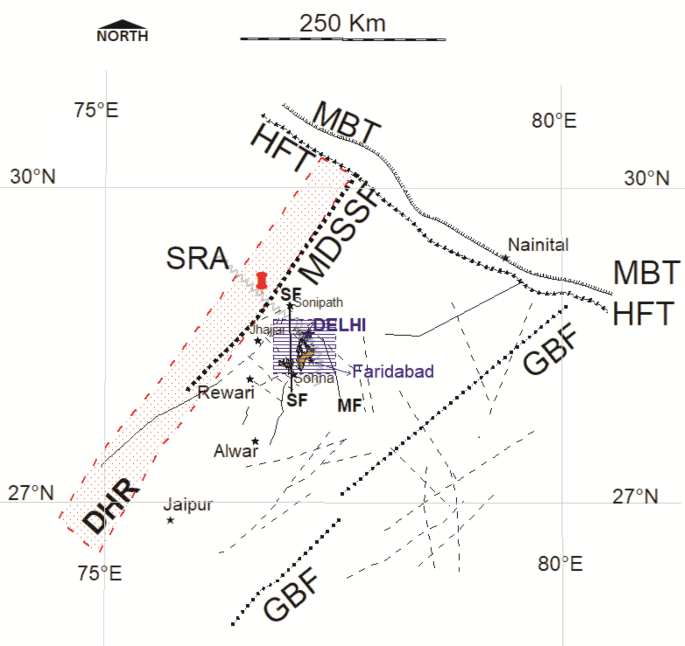
The crisis in Delhi-NCR is no longer just a matter of mismanagement. It is a geological shift. For decades, the Central Ground Water Board (CGWB) has tracked a plummeting water table, often attributing the decline to the sheer volume of borewells piercing the soil to support a booming population. However, recent analysis indicates that the region’s underlying tectonic framework is changing, potentially sealing off deep-seated aquifers from their natural recharge sources.
This shift creates a systemic failure. When the crust moves, the permeability of the rock changes. Water that once seeped into the ground now flows away or remains trapped in inaccessible pockets.
Why is neo-tectonic activity affecting Delhi’s water?
The Delhi-NCR region sits atop a complex intersection of geological faults. According to research published via the Central Ground Water Board, the interaction between the Aravalli hills and the Yamuna floodplains is being disrupted by subtle, ongoing tectonic movements. These “neo-tectonic” shifts create vertical offsets in the strata, effectively creating underground dams that prevent surface water from penetrating deeper aquifers.

This means that even during heavy monsoon seasons, the water isn’t reaching the depths where it is most needed. The result is a “perched” water table where the upper layers are saturated, but the deep reserves—the primary source for industrial and municipal pumps—continue to dry up.
Property owners and industrial hubs are feeling the impact. As deep-bore wells run dry, the cost of drilling deeper increases, often hitting impermeable rock layers created by these tectonic shifts. To mitigate these losses, developers are increasingly hiring [Environmental Engineering Consultants] to map subsurface stability and identify viable alternative water sources.
How does this compare to traditional depletion causes?
Historically, the narrative around Delhi’s water crisis focused on human agency. The contrast between the two drivers is stark:

| Driver | Mechanism | Primary Impact |
|---|---|---|
| Urbanization | Concrete paving prevents infiltration; over-pumping. | Surface runoff increase; rapid table drop. |
| Neo-Tectonics | Crustal deformation and faulting. | Structural blockage of deep aquifer recharge. |
While the NITI Aayog has previously highlighted the “Composite Water Management Index” to warn of extreme water stress, the tectonic element adds a layer of permanence. You can regulate a borewell, but you cannot regulate a fault line.
This geological reality is forcing a rewrite of municipal building codes. New constructions in the NCR are now being scrutinized for their impact on the remaining fragile recharge zones. Legal disputes over water rights are also surging as neighboring districts compete for shrinking reserves. Many firms are now engaging [Administrative Law Specialists] to navigate the tightening regulations imposed by the National Green Tribunal (NGT).
What are the long-term implications for the NCR?
The long-term outlook is a transition from “water scarcity” to “water instability.” If the tectonic shifts continue to isolate aquifers, the region may face permanent groundwater loss regardless of rainfall totals. This necessitates a shift toward aggressive rainwater harvesting and the restoration of traditional water bodies, known as johads.
The economic ripple effect is significant. Real estate valuations in areas with failing aquifers are beginning to slide. Industrial zones in Gurugram and Noida, which rely heavily on groundwater for cooling and processing, face operational risks. To avoid total shutdowns, these enterprises are investing in large-scale desalination and recycling plants, often coordinated through [Industrial Infrastructure Firms].

The Government of India has emphasized the need for “Atal Bhujal Yojana,” a community-led groundwater management scheme. Yet, if the problem is tectonic, community management is only a partial solution. The region requires a fundamental shift in how it perceives its relationship with the earth beneath it.
The danger is no longer just that we are taking too much water, but that the earth is no longer allowing the water back in. As the ground literally shifts beneath the capital, the window for adaptive infrastructure is closing. Those who fail to secure their water future through verified technical expertise and legal compliance will find themselves building on a foundation of dry dust.