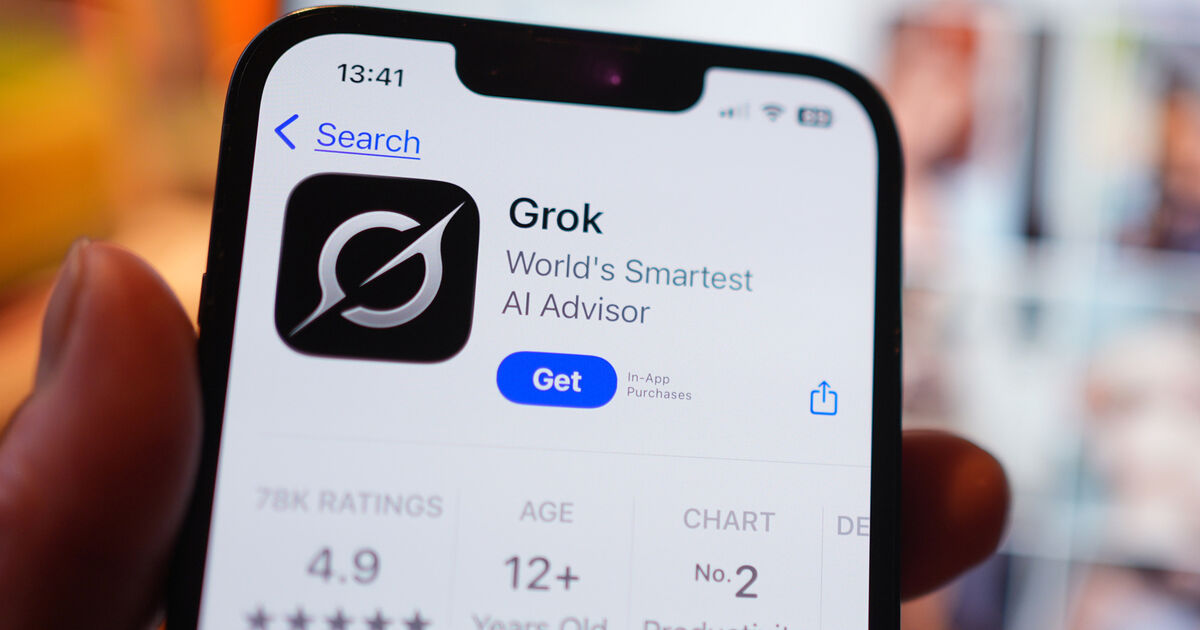
Grok AI Controversy: X Faces EU Investigation and Safety Concerns
As of May 26, 2026, the European Union is launching an investigation into Elon Musk’s X, citing concerns that the platform’s AI tool, Grok, poses risks of “serious harm” to citizens. The inquiry follows mounting regulatory pressure and public concern regarding the AI’s generation of harmful content, potentially triggering significant financial penalties.
The core of this conflict lies in the intersection of rapid technological deployment and the rigid, protective frameworks of European digital law. While X markets Grok as a dynamic, real-time AI assistant, the European Commission is assessing whether the platform’s safety guardrails are sufficient to prevent the proliferation of misinformation, bullying, and illicit imagery. For the average user—and more importantly, for the institutions and businesses that rely on the platform for communication—this creates a climate of profound uncertainty.
The Regulatory Collision Course
The investigation is not merely a bureaucratic gesture; it represents a fundamental clash between a private digital ecosystem and the EU’s mandate for platform accountability. European regulators are increasingly utilizing their authority to demand transparency from large-scale digital intermediaries. When a platform’s algorithmic output is suspected of facilitating “serious harm,” the burden of proof shifts back to the operator.
The potential for “heightened” regulatory scrutiny suggests that X may soon face an audit of its internal moderation processes. For organizations that treat their social media presence as a critical pillar of their public relations strategy, this volatility is a liability. Managing this risk requires more than just a social media policy; it demands expert navigation of evolving digital compliance standards.

The integration of generative AI into public-facing platforms has outpaced the development of standard ethical benchmarks. We are seeing a shift where platforms are no longer just passive conduits of speech, but active, algorithmic editors. When that editing process produces harmful content, the legal liability becomes a corporate governance issue.
For businesses concerned about the legal fallout of operating on platforms under heavy fire, engaging with specialized digital compliance consultants is no longer an optional luxury. These professionals help firms assess their digital footprint, ensuring that their online presence does not inadvertently expose them to the repercussions of a platform’s regulatory failure.
Municipal and Institutional Retreat
The skepticism surrounding X has moved beyond the halls of Brussels, reaching local government bodies. In Ireland, for instance, public officials have faced calls to abandon the platform entirely, citing the controversy surrounding Grok’s capabilities. This localized pushback highlights a broader trend: the decoupling of public service from platforms that are perceived as failing to protect their constituents, particularly younger users.
When municipal councils or regional bodies grapple with these dilemmas, they often require professional guidance to manage the transition from established digital channels to secure, private alternatives. Here’s where crisis management and public relations firms play a pivotal role, helping organizations navigate the transition without alienating their audience or losing their ability to communicate critical information.
- Risk Assessment: Determining whether a platform’s current regulatory status aligns with an organization’s internal safety policies.
- Data Sovereignty: Ensuring that the use of third-party AI tools does not compromise sensitive institutional or personal data.
- Policy Alignment: Developing robust internal guidelines for social media usage in an era of unpredictable platform behavior.
The Future of Digital Safety
The European Union has a long history of establishing the global “gold standard” for data protection, most notably with the General Data Protection Regulation (GDPR). The move to scrutinize Grok is a logical extension of these efforts. By forcing transparency, the EU is attempting to ensure that AI development does not come at the expense of user safety.

However, the rapid pace of AI innovation means that regulators are perpetually playing catch-up. For the corporate sector, this creates a “compliance gap.” Navigating this gap requires the assistance of data privacy attorneys who can interpret how emerging AI regulations will impact day-to-day operations. Relying on outdated policies in a landscape defined by the EU’s “serious harm” threshold is a recipe for operational failure.
We are witnessing the end of an era where digital platforms could operate with minimal oversight. As the investigation into X progresses, other platforms will undoubtedly find themselves under the same microscope. The question for businesses and public institutions is not whether they should be on these platforms, but whether they have the infrastructure in place to protect themselves when the regulatory hammer drops.
In the coming months, the scrutiny will likely intensify. Those who fail to acknowledge the shifting legal landscape will find themselves exposed to risks that go far beyond a simple PR crisis. Professional vigilance and a proactive approach to digital governance are now the baseline requirements for any entity operating in the European market.