
VP Gibran Warns of “Greenflation” Risks in Energy transition
Jakarta – indonesian Vice President Gibran Rakabuming Raka has sounded a strong warning about “greenflation,” the inflation spurred by the transition to green energy, labeling it a significant global challenge that demands careful consideration.
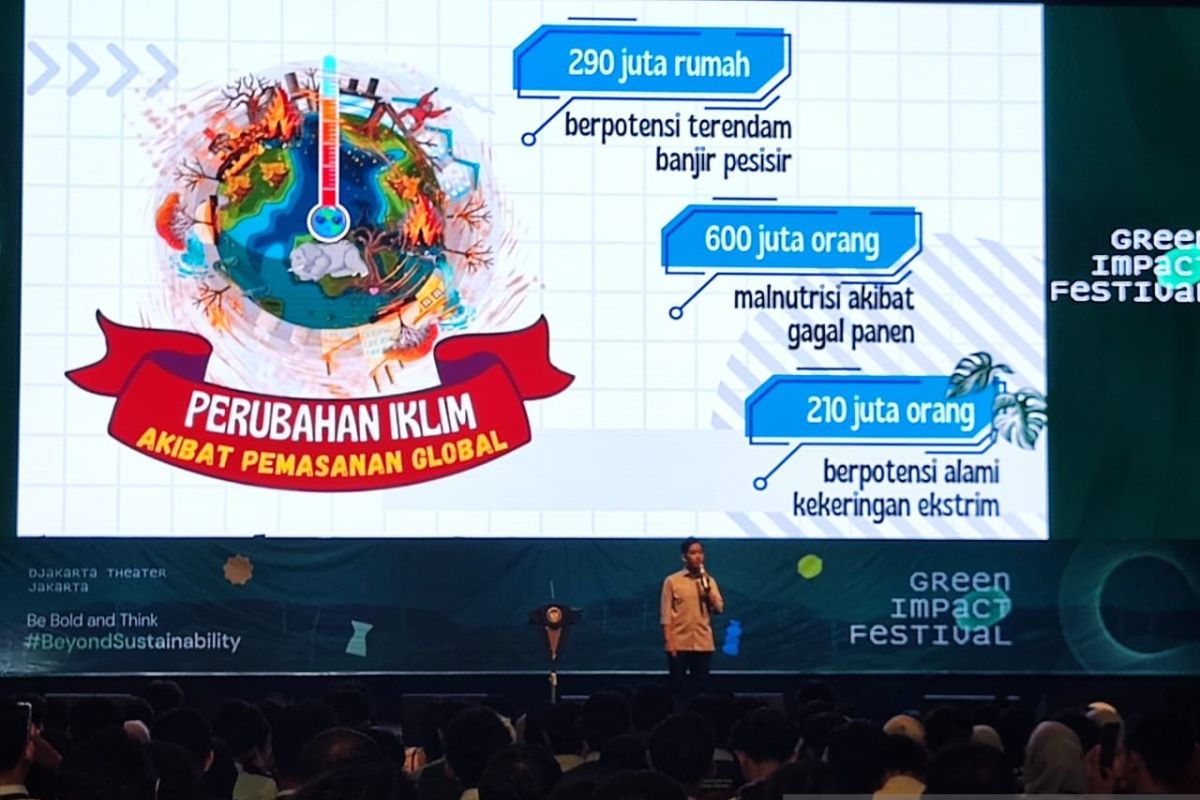
Speaking at the Green Impact Festival in Jakarta, raka highlighted the critical need to understand and mitigate the potential negative consequences of the energy transition, particularly for vulnerable communities and local industries. He recalled the issue being a focal point during the presidential debates, noting the confusion and underestimation it faced from some quarters.
“This is vrey important, don’t you agree?” Raka stated, referencing his own emphasis on greenflation during the vice presidential debates.
The Vice President pointed to developed nations currently grappling with economic strain due to rapid energy transitions. These accelerated shifts, he explained, have led to social unrest as prices for fuel, electricity, and gas have surged dramatically.
“If we look at large countries, I do not know, maybe they were too ambitious, too eager, and inflation occurred because the transition to green energy was too hasty,” he elaborated.
Raka stressed that Indonesia must learn from these experiences and adopt a cautious approach to its green energy policies, ensuring that the burden does not fall disproportionately on lower-income segments of the population.
“Therefore,going forward,we must be careful not to let the community,the common people,or small industries be impacted by things like this. Hence, for example, if in a country I do not need to name, ther are demonstrations because of increases in fuel taxes, gas taxes, or electricity taxes; we do not want that to happen in our country,” he asserted.
He further emphasized that all future advancement policies, including the energy transition programme, must be guided by the principles of environmental, social, and economic sustainability.
“The president always conveys the message that every vision, mission, and program must be implemented with environmental, social, and sustainability aspects in mind,” Raka remarked.
Indonesia, he noted, has already made substantial strides in green energy development, citing the progression from the Biodiesel 35 percent (B35) program to the B40 program, with an aim for B50. Additionally, the nation is developing bioavtur from used cooking oil and has established the Cirata floating solar power plant in West Java, recognized as the largest in Southeast Asia.
