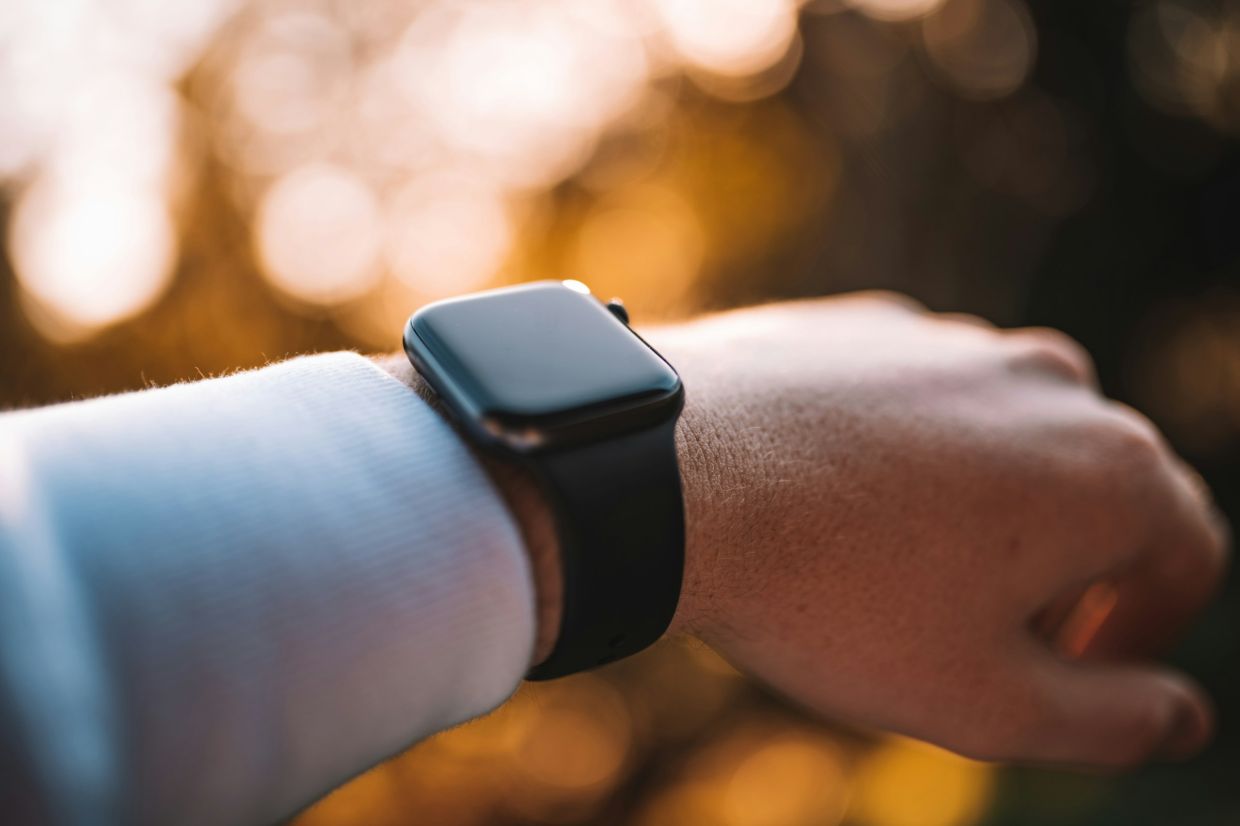
Grand Slam Tennis: Wearable Gadgets Now Allowed for Players
Predictive health AI is migrating from the sterile environment of clinical trials to the high-velocity chaos of professional sports. The shift isn’t just about tracking steps; it’s about the transition from reactive telemetry to proactive biological forecasting. When biometric gadgets move from the gym to the baseline of Grand Slam matches, the technical stakes—specifically regarding signal-to-noise ratios and edge processing—skyrocket.
The Tech TL;DR:
- Predictive Shift: Wearables are pivoting from historical data logging to AI-driven predictive modeling for injury and illness prevention.
- Edge Intelligence: Integration of dedicated NPUs (Neural Processing Units) is reducing latency and enhancing privacy by processing biometric data on-device.
- Professional Validation: Adoption by elite athletes, including the allowance of gadgets at Grand Slam tennis matches and investment from figures like golfer Rory McIlroy in Whoop Inc, serves as a real-world stress test for biometric accuracy.
The fundamental engineering bottleneck in wearable health AI has always been the “noise” problem. Photoplethysmography (PPG) sensors—the green lights on the back of your wrist—are notoriously sensitive to motion artifacts. For a tennis player mid-serve, the acceleration and skin-sensor displacement create massive data spikes that can render traditional heart rate algorithms useless. To solve this, the industry is moving toward multi-modal sensor fusion, combining PPG with accelerometers and gyroscopes to filter out mechanical noise in real-time.
The Predictive Stack: Moving Beyond Simple Telemetry
The goal is no longer just to tell a user they slept poorly, but to predict a systemic crash before it happens. This requires a shift in the tech stack from simple threshold alerts to complex time-series analysis. By analyzing Heart Rate Variability (HRV) and resting heart rate (RHR) against a baseline, AI models can identify “autonomic nervous system imbalance,” often a precursor to overtraining or viral infection.
From a deployment perspective, this necessitates a move toward edge computing. Sending raw, high-frequency biometric streams to the cloud for analysis introduces unacceptable latency and creates massive privacy vulnerabilities. Modern wearables are increasingly utilizing ARM-based architectures with integrated tensor cores to run lightweight inference models locally. This reduces the payload sent to the cloud, ensuring that only processed insights—rather than raw biological telemetry—are transmitted.
“The industry is moving toward ‘biometric digital twins,’ where AI doesn’t just monitor the current state but simulates the physiological impact of the next four hours of exertion based on current recovery markers,” says Marcus Thorne, a lead researcher in wearable signal processing.
Tech Stack & Alternatives Matrix: The Predictive Landscape
Not all predictive wearables utilize the same architectural approach. The market is currently split between recovery-centric models and clinical-grade monitoring.

| Feature | Recovery-Centric (e.g., Whoop) | Circadian-Centric (e.g., Oura) | Clinical-Grade (e.g., Apple Watch) |
|---|---|---|---|
| Primary Metric | HRV / Strain / Recovery | Temperature / Sleep Stages | ECG / SpO2 / AFib Detection |
| Sampling Rate | High-frequency continuous | Intermittent / Sleep-focused | Event-driven / Continuous |
| AI Focus | Predictive Readiness | Wellness Optimization | Pathology Detection |
| Hardware Edge | Screenless / Low Power | Form-factor (Ring) | General Purpose SoC |
While Whoop focuses on the “Strain vs. Recovery” loop—a model heavily backed by athletes like Rory McIlroy—the clinical-grade competitors are pursuing FDA-cleared certifications. The tension here is between “wellness” (which allows for more aggressive, less regulated AI forecasting) and “medical” (which requires rigid validation but offers higher trust).
Implementation: Calculating HRV via RMSSD
For developers building on top of health APIs, the core of predictive health often boils down to the Root Mean Square of Successive Differences (RMSSD). What we have is the gold standard for assessing the parasympathetic nervous system. Below is a simplified Python implementation for processing a stream of inter-beat intervals (IBIs) to determine a recovery score.
import numpy as np def calculate_rmssd(ibi_intervals): """ Calculates the RMSSD from a list of inter-beat intervals (ms). RMSSD is a primary marker for Heart Rate Variability (HRV). """ # Calculate the differences between successive intervals diffs = np.diff(ibi_intervals) # Square the differences, find the mean, and take the square root rmssd = np.sqrt(np.mean(np.square(diffs))) return rmssd # Example: Inter-beat intervals in milliseconds from a PPG sensor sample_data = [800, 820, 790, 810, 805, 795, 815, 800] recovery_score = calculate_rmssd(sample_data) print(f"Calculated RMSSD: {recovery_score:.2f} ms") Implementing this at scale requires rigorous data cleaning. Any “ectopic beat” (a heart skip) can throw the RMSSD calculation off by orders of magnitude. This is where specialized software development agencies are stepping in to build custom signal-processing pipelines that can scrub outliers before the data hits the AI inference engine.
The Cybersecurity Blast Radius of Biological Data
As wearables move toward predictive health, the data they collect becomes exponentially more sensitive. We are no longer talking about step counts; we are talking about precursors to cardiac events and systemic illness. This creates a massive target for adversarial actors. If a professional athlete’s “readiness score” were leaked, it could impact betting markets or contract negotiations.
The architectural requirement here is end-to-end encryption (E2EE) and strict SOC 2 compliance. However, many startups prioritize “time-to-market” over “security-by-design,” leaving APIs exposed. With the increase in biometric data ingestion, enterprise IT departments and sports organizations are urgently deploying cybersecurity auditors and penetration testers to ensure that the pipeline from the wrist to the cloud is not leaking PII (Personally Identifiable Information) or PHI (Protected Health Information).
To ensure integrity, developers should be leveraging authenticated API requests. A standard cURL request to a secure health endpoint should look like this:
curl -X GET "https://api.health-predict.io/v1/recovery/latest" -H "Authorization: Bearer ${BIOMETRIC_TOKEN}" -H "X-Device-Signature: ${HMAC_SIGNATURE}" -H "Content-Type: application/json"Without a device-level signature (HMAC), the system is vulnerable to “spoofing” attacks where synthetic biological data is injected into the stream to manipulate health forecasts.
The Trajectory: From Wearables to Invisibles
The trajectory is clear: we are moving toward a world of “invisible” monitoring. The allowance of gadgets at Grand Slam events is a stepping stone. The next phase is the integration of these sensors into clothing (smart textiles) or subcutaneous implants, removing the motion artifact problem entirely. As we refine the NPU-driven edge models, the “prediction” will move from a morning report to a real-time haptic alert: “Your cortisol levels and HRV indicate a 70% probability of muscle strain within the next 20 minutes; decrease intensity.”
The winners in this space won’t be the ones with the flashiest apps, but those who solve the data integrity problem. Whether you are an athlete or an enterprise CTO, the goal is the same: turning noisy biological signals into actionable, secure intelligence. For those needing to secure these complex data pipelines, consulting with certified security auditors is no longer optional—it’s a prerequisite for deployment.
Disclaimer: The technical analyses and security protocols detailed in this article are for informational purposes only. Always consult with certified IT and cybersecurity professionals before altering enterprise networks or handling sensitive data.