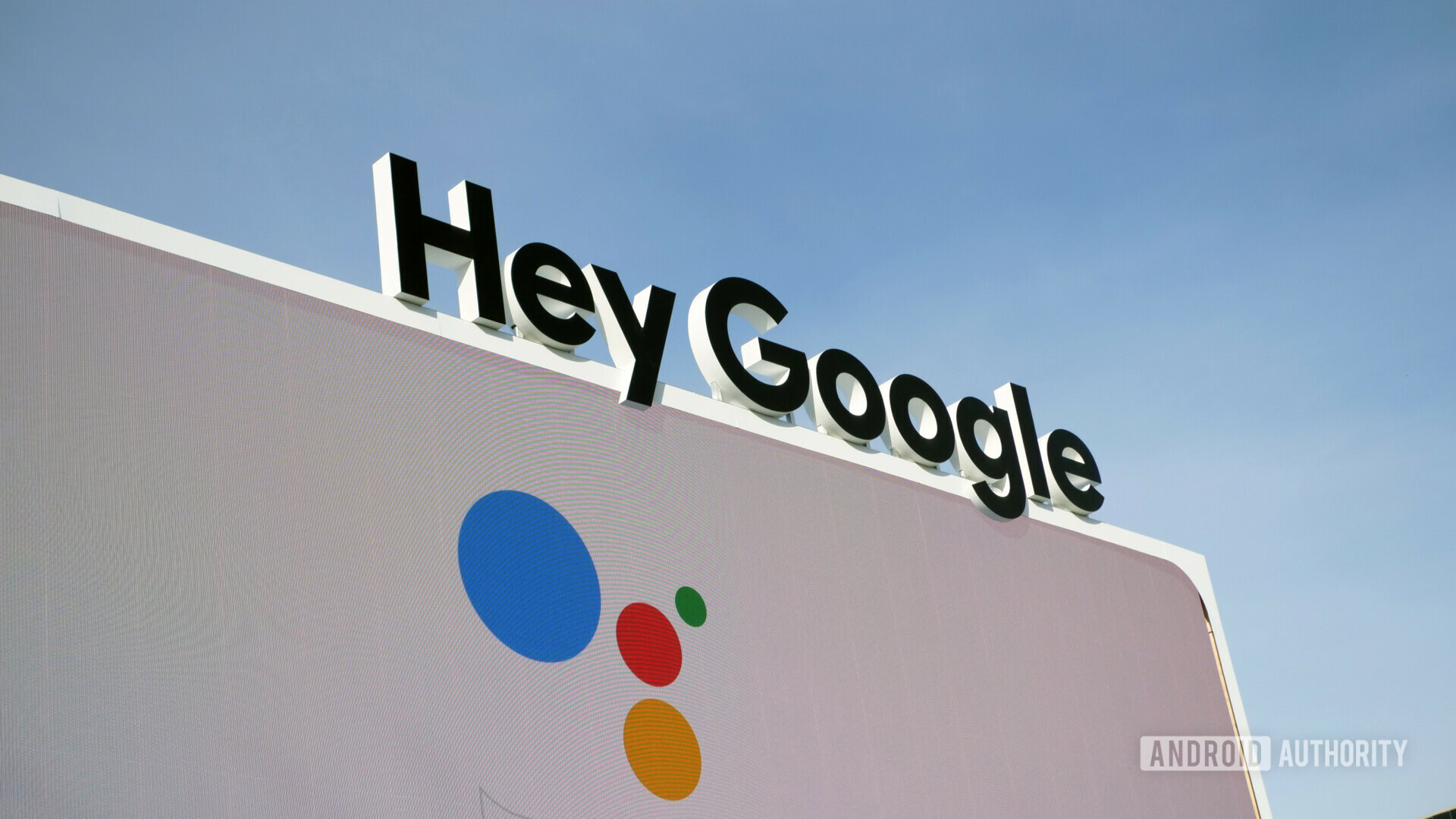
Google Shifts to “Hey Gemini” for Android XR Wake Word
Google is shifting its voice assistant branding toward “Hey Gemini” as the primary wake word for Android XR devices, though user preferences remain divided across the company’s legacy options.
While the new phrase is being actively promoted, Google’s existing “Hey Google” and “OK Google” commands will continue to function on devices.
A reader survey conducted by Android Authority and updated on Thursday highlights the split in user habits. Out of 2,144 total votes, 41.1% of respondents identified “Hey Google” as their preferred trigger. “Hey Gemini” followed with 30% of the vote, while 28.9% of participants still use the original “OK Google” phrase.
| Wake Word | Votes | Percentage |
| Hey Google | 880 | 41.1% |
| Hey Gemini | 644 | 30.0% |
| OK Google | 620 | 28.9% |
The nearly even distribution between the three options suggests that users value the ability to choose their method of interaction, according to reporting by urgent.news. “Hey Google, has been stamped into my everyday life, for years,” Mathaniel “SugarSkullFace” Tuller told Android Authority on November 13, 2026. Others find the new branding more appropriate for the assistant’s evolving role.
“Saying ‘Hey Gemini’ is much more relaxed, personal and down to earth, than saying the very commercial and very artificial ‘Hey Google’,” Mikael Dipper Resting-Jeppesen told Android Authority on November 13, 2026. Some users argue that the wake word should be simplified to a single term.
In comments recorded by Android Authority on November 25, 2026, a reader named Keith asked, “Why not just ‘Gemini’?” Other participants said that “Hey Gemini” may be less prone to accidental triggers from other audio devices, as reported by urgent.news.
In 2024, Google Search began incorporating Gemini to generate AI Overviews, directly answering complex queries and aligning with the company’s strategy to embed AI into core products. This expansion underscores Gemini’s role as the backbone for Google’s broader AI-driven initiatives, unifying its tools under a single intelligent system while maintaining compatibility with legacy services like “Hey Google.”