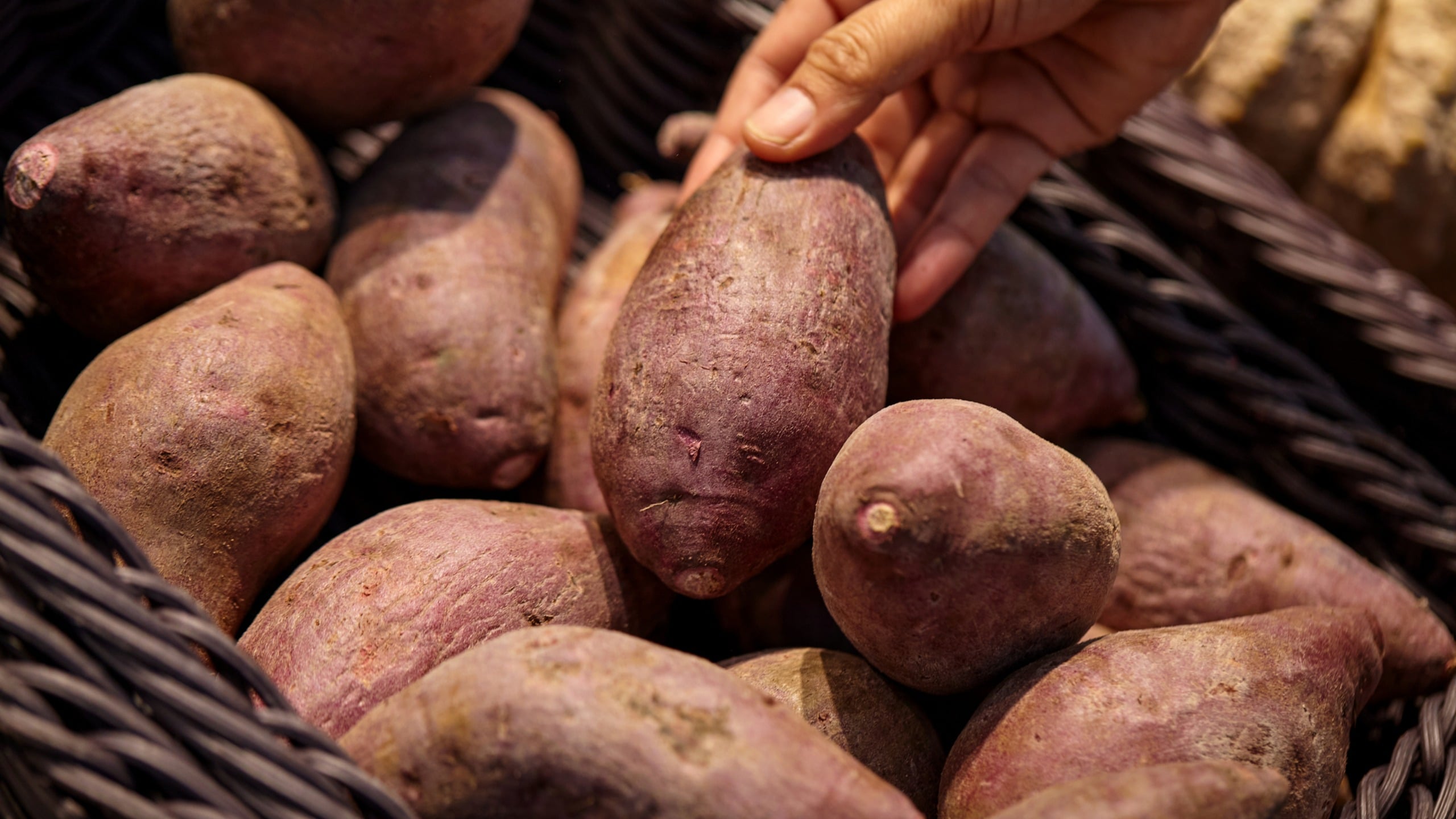
Bacteria Genetically Modified Sweet Potatoes Millions of Years Ago
Sweet potatoes were genetically modified by bacteria millions of years before humans began cultivating the crop, according to research published in 2015 and expanded in subsequent studies that identify the mechanism as a natural form of genetic engineering.
Scientists discovered that every cultivated sweet potato variety analyzed worldwide contains foreign DNA inserted by the soil bacterium Agrobacterium, while no wild relatives carry the same genetic material. The bacterium transfers a segment of its own DNA, known as transfer DNA or T-DNA, into the plant’s cells, permanently altering the genome in a process that mirrors modern laboratory techniques.
“Humans were not the first genetic engineers. Other organisms were creating GMO plants millions of years before we began splicing foreign DNA into crops,” ScienceAlert reported, describing the finding as “rather remarkable.”
In October of this year, researchers published evidence in Planta showing that a bacterial gene naturally acquired by sweet potatoes helps plants withstand temperature changes, defend against disease and reduce oxidative damage.
The gene was tested in thale cress (Arabidopsis thaliana), a standard model organism for genetic engineering, and appeared to benefit the plant in multiple ways. A separate 2025 study identified two bacterial-derived genes in sweet potato that may enhance tissue growth and antioxidant production.
Over evolutionary time, harmful bacterial genes may have been lost while beneficial ones persisted. When ancient peoples in Central and South America began cultivating sweet potatoes thousands of years ago, they may have unintentionally accelerated the process by selecting plants carrying the most advantageous bacterial genes — a longer, natural version of how humans create genetically modified crops today.
The phenomenon extends beyond sweet potatoes. Cranberries (Vaccinium macrocarpon) also contain genes from Agrobacterium. In August of this year, researchers identified more than 2,600 species of naturally occurring transgenic plants and estimated that 12 percent of all land plant species may carry DNA inserted by bacteria. These foreign genes appear in cinnamon, black pepper, coffee and other common foods.