
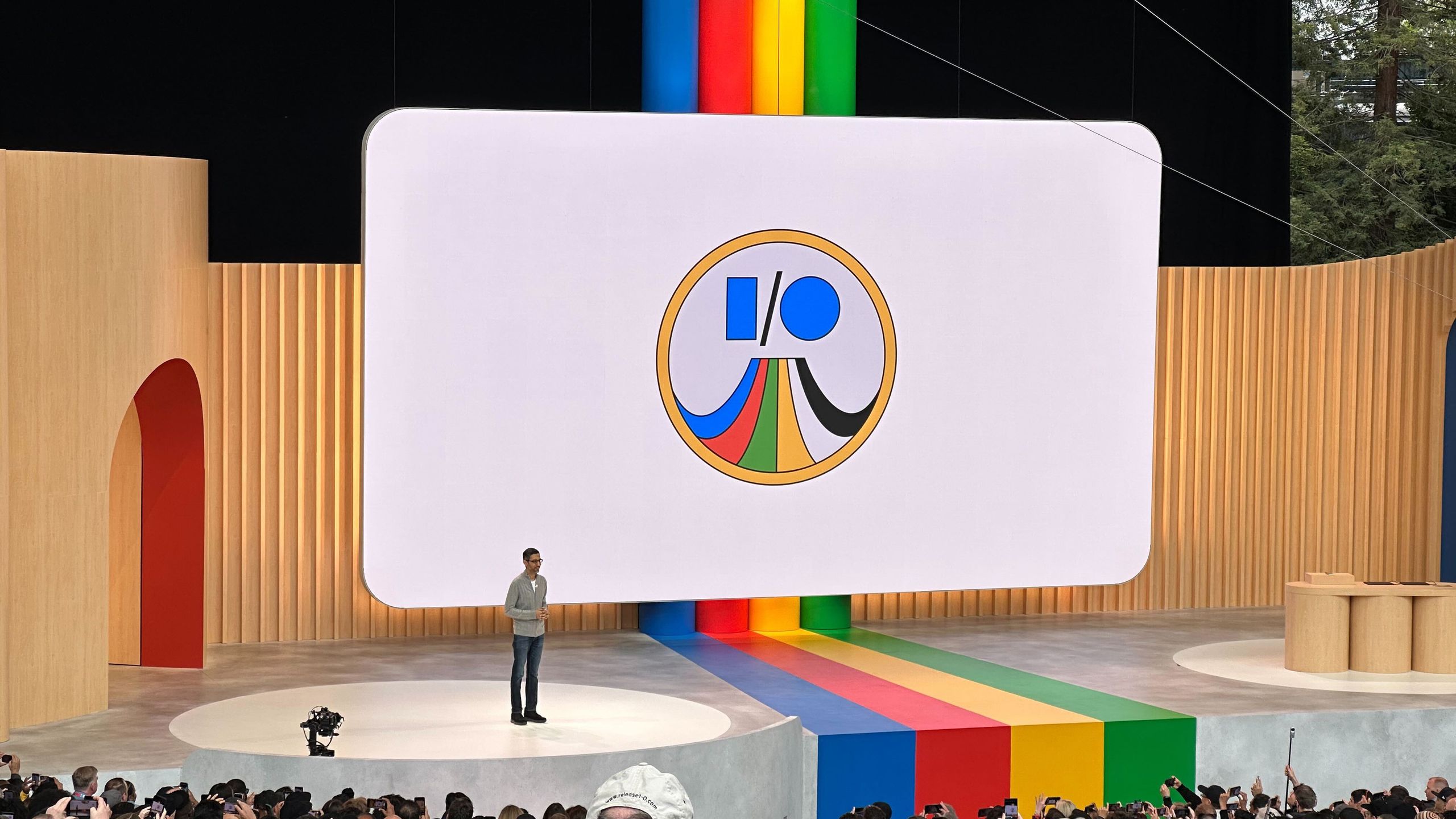
Google has officially scheduled its annual I/O developer conference for May 19 and 20, 2026, at the Shoreline Amphitheater in Mountain View, California. The announcement, confirmed by multiple sources including Mashable and The Verge, follows a tradition of holding the event in mid-May.
The two-day event will kick off with a keynote address at 10 a.m. PT / 1 p.m. ET on May 19. Although Google has yet to detail the specific announcements planned for I/O 2026, expectations are building around significant updates to Android, Wear OS and the company’s expanding efforts in extended reality (XR).
A major focus is anticipated to be Android 17, currently in its beta testing phase under the codename ‘Cinnamon Bun.’ Although the initial beta release has featured limited visible user interface changes, primarily within the Pixel Launcher, Google is expected to unveil more substantial features and UI refinements at I/O. Reports suggest a potential shift towards optimizing Android for larger screen devices is also under consideration.
Alongside Android 17, Google is also preparing to showcase Wear OS 7. Building on the improvements introduced in Wear OS 6, which included the Material 3 Expressive design language and performance upgrades, Wear OS 7 is expected to deliver further refinements rather than a complete overhaul.
Google’s foray into XR is also poised to take center stage at I/O 2026. The company has been developing Android XR as a unified platform intended to power a range of devices, including headsets and smart glasses. Samsung’s Galaxy XR headset already utilizes Android XR, and Google is reportedly seeking to expand its XR ecosystem through partnerships with additional brands.
Specifically, Google is developing a lighter version of Android XR designed for smart glasses, with finalized navigation and control documentation already shared with developers for both standalone models and those requiring a connected display. Collaboration with Samsung on smart glasses is also underway, potentially leading to a preview of a commercial product resembling the Meta Ray-Ban display during the conference. Samsung has confirmed plans to launch such a device this year, with rumors pointing to two models – one with a display and one without – featuring a 12 MP camera and a Qualcomm AR chipset.
Beyond mobile and wearable operating systems, Google may also provide an update on its reported work on a replacement for ChromeOS, internally referred to as “Aluminium OS.” This potential new desktop OS aims to bring a standalone Android-based experience to Chromebooks and traditional PCs, supporting windowed apps, a taskbar, and multitasking, potentially with Gemini AI integration. While Google has not officially acknowledged Aluminium OS, I/O 2026 could mark its first public appearance.
Artificial intelligence, particularly the Gemini model, is expected to be a central theme throughout the conference. Google has already integrated Gemini into products like Gmail and is reportedly testing expanded control over apps and system actions on Android phones. Updates to Search, Chrome, and Google Workspace, along with the Universal Commerce Protocol for AI-powered shopping, are also anticipated. Google’s partnership with Apple to integrate Gemini into Apple’s AI models and Siri may also yield updates during the event.
