
Google Drive Files Organization: Is Gemini the Answer to Your Filing Chaos?
Google has quietly rolled out a new artificial intelligence-powered feature to its Drive service, one that promises to transform the digital clutter of millions of users into an orderly archive—with minimal effort required. The update, confirmed by multiple technology outlets, introduces an automated sorting system powered by Gemini, Google’s advanced AI model, capable of categorizing files, emails, and documents across Google Drive and Gmail without direct user intervention.
The feature, which has begun appearing in Drive for some users, builds on earlier AI-driven tools in Google’s ecosystem, such as smart replies in Gmail and automated tagging in Photos. Unlike previous iterations, however, this system is designed to handle the broader scope of a user’s digital workspace—separating work documents from personal files, organizing emails by sender or project, and even predicting where new uploads might logically reside. According to Les Numériques, the tool is currently in a phased rollout, with Google testing its efficacy before a wider deployment.
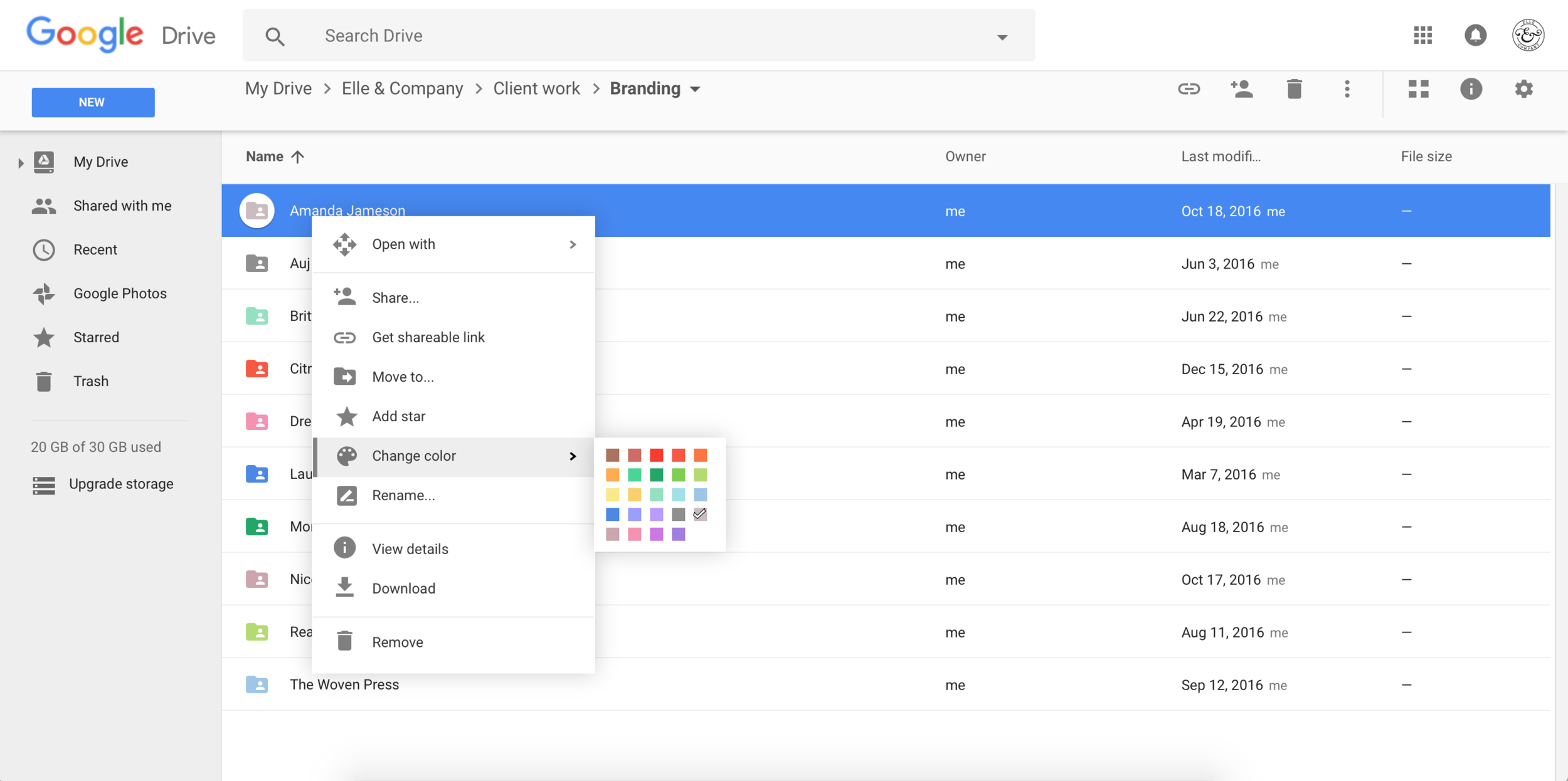
Users who have encountered the feature describe it as a “game-changer” for those drowning in disorganized folders. One tech analyst, speaking on condition of anonymity, noted that the AI’s ability to cross-reference content between Drive and Gmail—something previously impossible without manual input—could significantly reduce the time spent managing digital archives. “It’s not just about sorting files. it’s about understanding context,” the analyst said. “If Gemini can link a draft email to its final document version, that’s a leap forward.”
Yet the rollout is not without caveats. Google has emphasized that the AI’s accuracy depends on the quality and specificity of a user’s existing organizational habits. A poorly labeled file or an ambiguous email thread could lead to misclassification, a risk that 01net.com highlights as a potential stumbling block. The company has also stressed that users retain full control: the AI makes suggestions, but final decisions rest with the individual. “This isn’t about replacing human judgment,” a Google spokesperson told Clubic. “It’s about providing a starting point.”

The integration of Gemini into Drive also raises broader questions about how AI will reshape productivity tools. While competitors like Microsoft’s Copilot have experimented with similar automation, Google’s approach leverages its unparalleled access to user data across services—a factor that could influence the feature’s precision. For now, the focus remains on refining the tool’s ability to learn from individual behaviors, ensuring that its suggestions align with user intent rather than imposing a one-size-fits-all structure.
As the feature expands, Google has not yet disclosed a timeline for full availability, though early adopters report receiving updates within the past week. The company’s silence on potential privacy implications—particularly regarding how Gemini processes and stores user data during the sorting process—has also drawn scrutiny. For users accustomed to the chaos of overflowing Drive folders, however, the promise of an AI-driven solution may outweigh the uncertainties.