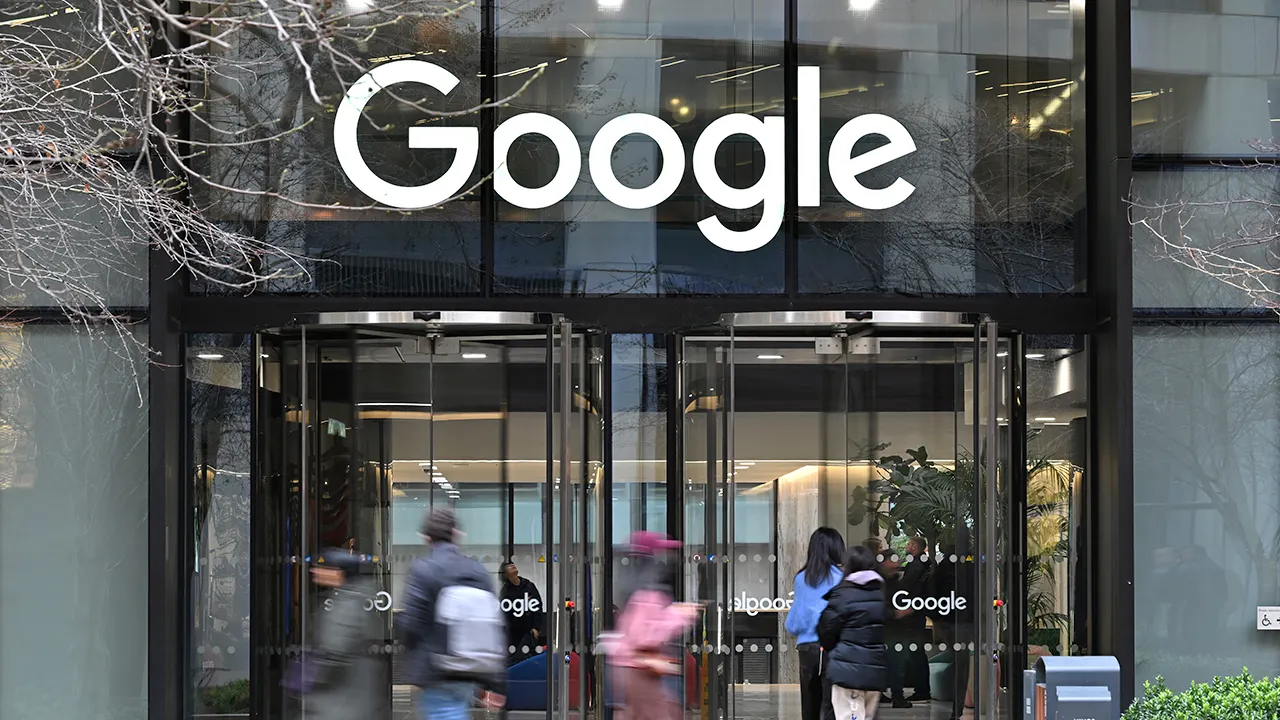
Google Agrees to $135 Million Settlement Over Android Background Data Usage on Cellular Networks
Android users who operated devices on cellular networks after November 12, 2017, may receive compensation from Google’s $135 million settlement over alleged unauthorized background data transfers, with payments expected post-June 23, 2026, pending final court approval, as affected individuals navigate opt-out deadlines and seek clarity on covert data usage impacting monthly costs and privacy expectations.
The Hidden Cost of Constant Connection
In the quiet aftermath of Q1 earnings season, where streaming giants chased SVOD growth and studios banked on franchise fatigue, a quieter reckoning unfolded in federal court: Google’s agreement to settle claims that its Android OS siphoned cellular data in the background, potentially billing users for invisible traffic. Filed in 2020, the class action alleged that system-level processes transmitted diagnostics and usage metrics over metered networks without granular consent, effectively shifting infrastructure costs to consumers who assumed idle screens meant dormant radios. Per the Northern District of California docket (Case No. 20-cv-03012), plaintiffs argued Google could have confined such transfers to Wi-Fi, avoiding data charges for millions on limited plans—a contention the tech giant denied while opting to settle, citing a desire to “resolve distraction” and enhance transparency. With an estimated 100 million eligible devices spanning Samsung Galaxies to Pixels, the fund translates to roughly $1.35 per claimant if fully claimed, though historical analogs like FTC settlements suggest actual payouts may trend toward cents after administrative fees, transforming what began as a privacy protest into a lesson in micro-compensation economics.
When Background Becomes Billable
The core grievance hinges on a technical nuance with macro implications: modern smartphones maintain persistent cellular connections for push notifications, location updates, and system syncs—features users expect—but the lawsuit contended Android blurred the line between essential telephony and opaque data harvesting. Unlike Wi-Fi, cellular data operates under strict caps and overage penalties, meaning background activity could silently erode monthly allowances, particularly impacting users in emerging markets or those on prepaid plans where every megabyte carries opportunity cost. As one digital rights advocate noted during oral arguments,
“Consumers pay for the pipe, not the pressure. If your phone is constantly bleeding data you didn’t authorize, that’s not innovation—it’s an unmetered tax on connectivity.”
This reframes the debate beyond mere annoyance into consumer protection territory, where undisclosed data practices intersect with financial harm—a gray area increasingly scrutinized by regulators from the FCC’s broadband nutrition labels to the EU’s Digital Markets Act. For entertainment companies leveraging Android for second-screen experiences or ad-supported streaming, the case underscores a looming liability: as apps integrate deeper with OS-level services, any hidden data transmission risks triggering similar claims, especially when tied to ad impression delivery or content recommendation engines running unseen.

The Settlement Spectacle: Opt-In by Inertia
Unlike traditional class actions requiring affirmative claims, this settlement operates on negative consent: individuals are included unless they actively opt out by May 29, 2026, a design intended to maximize participation but criticized by consumer advocates as potentially burying meaningful dissent in inertia. The final approval hearing on June 23, 2026, will determine whether the court deems the $135 million fund adequate and the notice process sufficient—a procedural hurdle where objectors often raise concerns about attorney fees (typically 25% of funds) or inadequate cy pres distributions. Should it clear, payments will flow via check or digital transfer to those who didn’t exclude themselves, a mechanism that favors scale over sophistication. For context, similar tech privacy settlements like the $650 million Facebook biometric case yielded average payouts of ~$400 after years of litigation, but here the sheer volume of claimants dilutes individual returns—a trade-off between breadth and depth that leaves many questioning whether the remedy matches the alleged harm. Entertainment attorneys specializing in IP and data privacy warn that such outcomes may incentivize future litigation targeting not just OS vendors but app developers whose SDKs trigger background transmissions, creating a ripple effect through the ad-tech ecosystem that powers free content models.
Directory Dispatch: Navigating the Aftermath
When a settlement this diffuse hits the cultural bloodstream, the real perform begins not in courtrooms but in conference halls where PR strategists reframe narratives and compliance officers audit SDKs. Studios launching global campaigns reliant on Android push notifications now engage crisis communication firms and reputation managers to preempt backlash over data practices that could tarnish brand equity amid growing consumer skepticism toward surveillance capitalism. Simultaneously, IP lawyers specializing in technology transactions are reviewing intellectual property and data licensing agreements to ensure clauses adequately address background data usage disclosures, particularly for apps monetizing behavioral data through programmatic ad exchanges. On the ground, local luxury hospitality sectors in markets like Mumbai or São Paulo—where Android dominance is near-total—see opportunity in offering data-transparent lounges or Wi-Fi-first experiences as premium differentiators, turning a regulatory pain point into a hospitality innovation trigger.
The Editorial Kicker: In an era where your pocket supercomputer negotiates silent contracts with servers you’ll never see, the Android settlement isn’t really about the dollars—it’s about the dawning realization that convenience has always come with a checkbox you didn’t grasp you checked. As phones evolve into ambient computing hubs, the true currency shifting isn’t data or dollars, but trust—and the entertainment industry, built on the promise of escapism, now finds itself in the awkward position of having to explain why the magic trick required access to your wallet all along.
*Disclaimer: The views and cultural analyses presented in this article are for informational and entertainment purposes only. Information regarding legal disputes or financial data is based on available public records.*