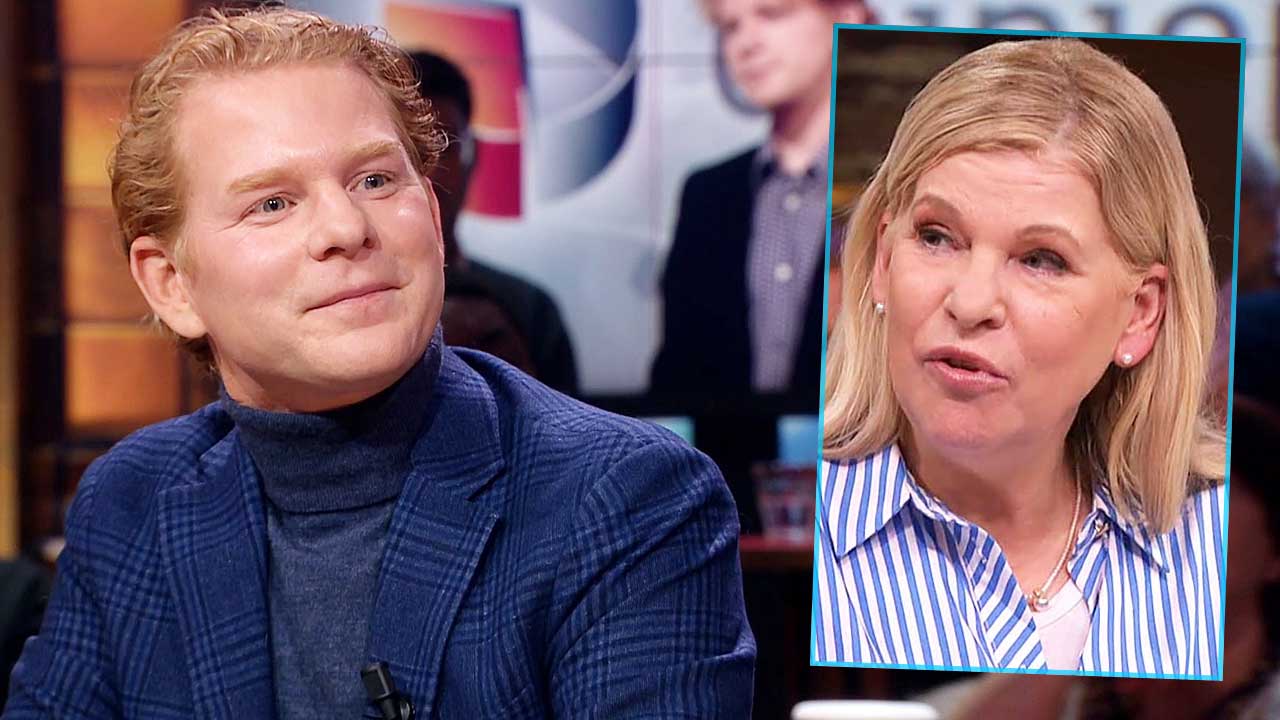
Gijs Rademaker Blasts Tina Nijkamp Over US Election Poll Criticism
Gijs Rademaker disputes Tina Nijkamp’s criticism of midterm coverage
“Zucht! I understand that booming sentences are nice, but let’s keep it factual, Tina Nijkamp,” RTL Nieuws pollster Gijs Rademaker wrote in response to public criticism regarding his network’s coverage of the United States midterm elections. The exchange, which played out across social media platforms on November 5, 2026, centers on whether Dutch media outlets have become overly obsessive regarding American political cycles.
Tina Nijkamp, a prominent authority on television ratings, ignited the debate by questioning the scale of attention devoted to the U.S. midterms across Dutch broadcasters. According to Mediacourant, Nijkamp expressed surprise at the extensive live coverage, specifically citing an RTL Nieuws opinion poll that measured how much influence the public believed the American elections would have on their own lives and the world at large. Nijkamp characterized the focus as “obsessive,” arguing that the media’s preoccupation with Donald Trump and U.S. politics has reached a point of excess.
Rademaker clarifies the scope of RTL Nieuws polling
In a direct rebuttal, Rademaker rejected the claim that RTL Nieuws had conducted a standalone, comprehensive study dedicated solely to the midterm elections. Rademaker emphasized that the polling questions were framed to gauge expectations of the election’s impact, rather than asking respondents to quantify the level of influence in the manner Nijkamp suggested.
The disagreement highlights the friction between editorial decision-making and public scrutiny of media priorities. While Nijkamp maintains that the volume of reporting—including all-night broadcasts on NPO 1—points to an industry-wide obsession with American political developments, Rademaker insists his work remains grounded in specific, incidental data collection rather than an overarching campaign of coverage.
Dispute over social media messaging
The conflict escalated when Nijkamp pointed to the specific language used in RTL Nieuws’ own social media posts promoting the poll. She noted that the text published by the network supported her critique of how the research was framed to the public. “Prima Gijs, but that is what it says here,” Nijkamp responded, suggesting that the pollster should address the discrepancy with his network’s social media editorial team.
This exchange shows the challenges media organizations face when balancing nuanced data reporting with the simplified language often required for social media engagement.
As of November 5, 2026, the debate continues to circulate within Dutch media circles. Rademaker remains firm on the technical accuracy of his research methodology, while Nijkamp continues to challenge the editorial strategy of the Dutch broadcasting industry regarding the prioritization of international political news.