
Ghana is tightening its grip on its gold trade, and the changes could substantially impact both foreign buyers and the country’s economy. The new regulations aim too increase control over gold reserves and crack down on illegal mining practices, which could dramatically reshape the market. Read on to discover how these changes regarding Ghana’s gold trade will affect the future of gold production in the region.
Ghana to Tighten Grip on Gold Trade, Restricting Foreign Buyers
New regulations aim to increase control over gold reserves and combat illegal mining operations.
Key Changes in Gold Trade Regulations
Ghana is set to implement significant changes to its gold trade, effective May 1.The primary goal is to exert greater control over its gold reserves and combat the pervasive issue of illegal mining.
- Restriction on Foreign Buyers: Foreign entities will be prohibited from directly purchasing or trading gold from Ghanaian mines.
- Centralized Authority: All gold mined in Ghana must be purchased through the newly established Ghana Gold Board.
Previously, both local and foreign importers possessing export licenses could directly engage with mining companies. This new framework aims to streamline the process and enhance governmental oversight.
The Ghana Gold Board: A New Era of Control
The Ghana Gold Board, often referred to as Goldbod
, will serve as the sole entity authorized to buy, sell, and export gold sourced from small-scale mining operations within the country. Circumventing this authority will result in prosecution, signaling the government’s commitment to enforcing these regulations.
Beyond trade control, Ghana intends to maximize revenue generated from gold exports. This move is seen as crucial for bolstering the nation’s economy.
Combating Illegal Mining and Smuggling
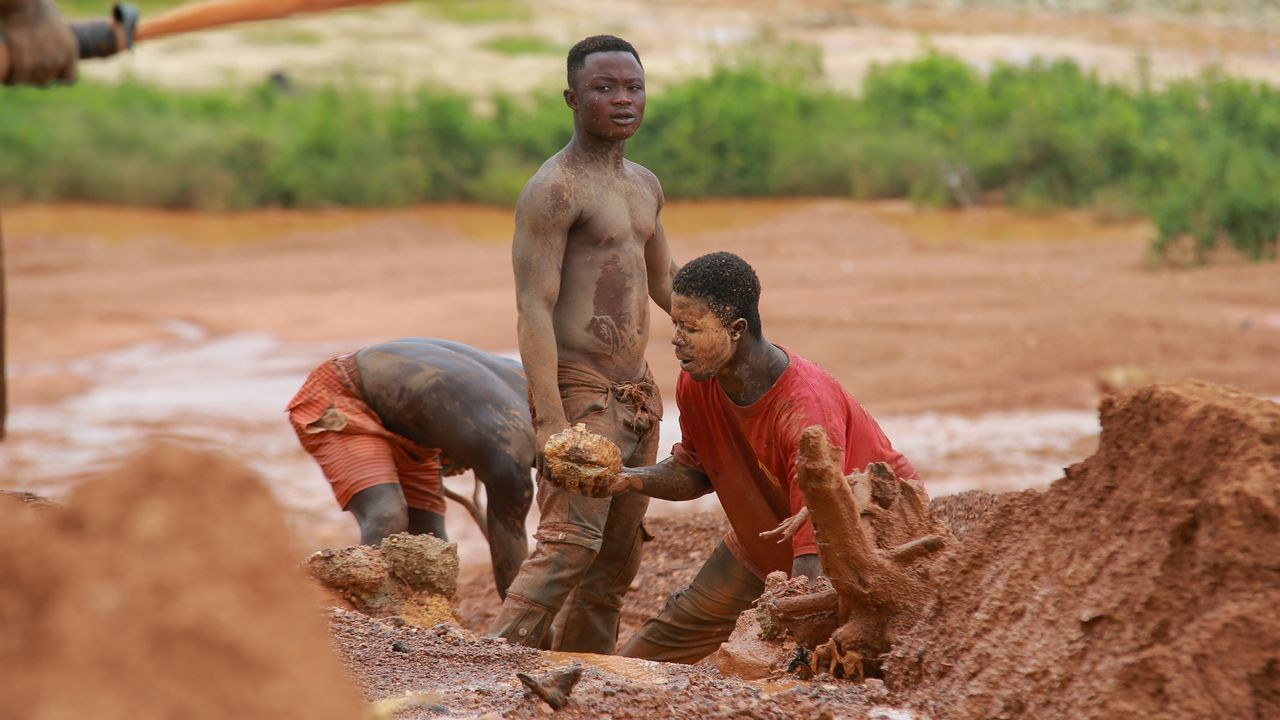
A significant driver behind these regulatory changes is the need to curb illegal mining and smuggling activities, which have escalated due to economic challenges. Previous governmental efforts to address these issues have proven insufficient.
illegal mining, locally known as galamsey,
poses severe environmental risks. The correspondent notes the devastating impact on the environment:
For mining,whole pieces of forest and cocoa plantations are cut down. In addition, there are also major concerns about the pollution of the rivers: Kwik is used to win gold, which enormously contaminates the drinking water of many Ghanaians. According to researchers,serious conditions are more common in the areas around the gold mines.
Afrika-Correspondent Saskia Houttuin
The use of mercury, or Kwik
, in gold extraction contaminates water sources, leading to serious health conditions in affected communities. This environmental degradation has sparked widespread protests, highlighting the urgent need for effective regulation.
Economic Context: Rising Gold Prices
These measures are being introduced amid a period of rising gold prices, driven by global economic uncertainty. Gold traditionally serves as a safe-haven asset for investors during turbulent times.
The correspondent adds context to the public sentiment:
In Ghana, residents have been calling for better regulations around the gold rush that originated in the country due to the rising gold price. In the south of the country, in particular, a lot of gold is in the ground. That often happens in small, often illegal gold mines, they are better known as galamsey.
Afrika-Correspondent Saskia Houttuin
The government’s establishment of the Ghana Gold Board is viewed as a positive step, but its effectiveness in tackling smuggling and illegal mining remains to be seen.
Looking Ahead
The success of these new regulations hinges on effective enforcement and monitoring. Ghana’s commitment to responsible gold mining practices will be crucial for both its economy and the well-being of its citizens.
