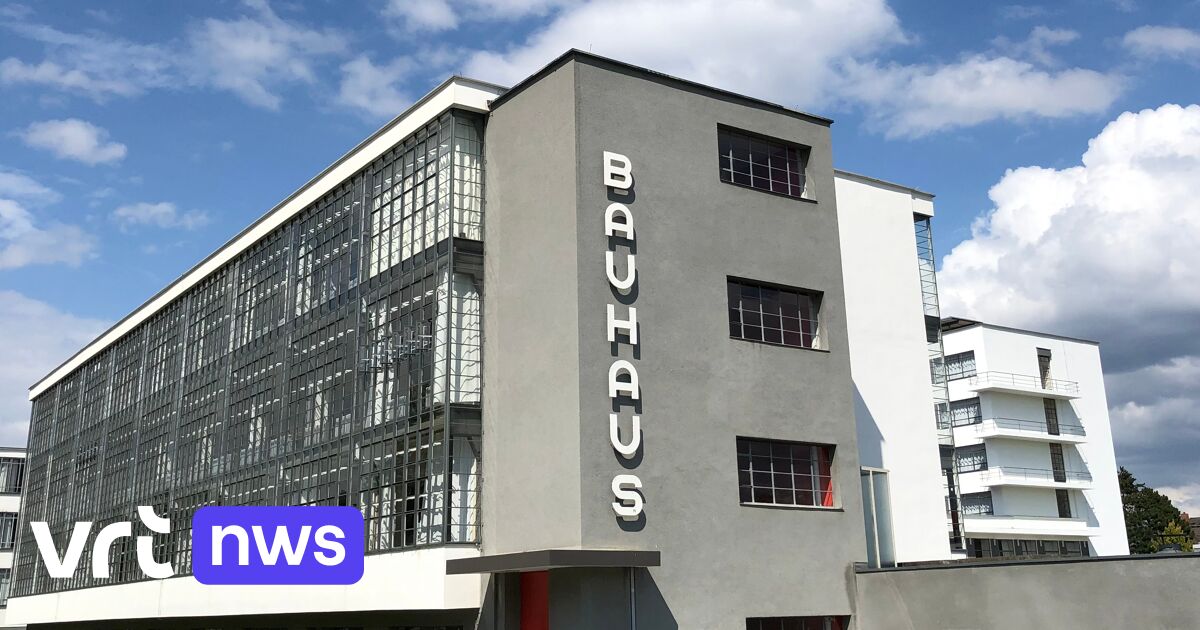
German Culture Minister Defends Bauhaus Heritage Against Far-Right Attacks
German Culture Minister Wolfram Weimer published a formal manifest on August 21, 2026, to protect the historic Bauhaus movement from rising political pressure by the right-wing Alternative für Deutschland. According to VRT News reports, the initiative arrives ahead of state elections in Saxony-Anhalt, where the AfD may become the largest party.
Defending Modernism Against Anti-Democratic Attacks
The core dispute centers on framing the influential art, architecture, and design school. According to VRT coverage, the Alternative für Deutschland characterizes Bauhaus as a rootless modernist movement that ignores German identity. Minister Weimer’s newly released manifest pushes back directly against this narrative, rallying public institutions to defend the progressive and democratic principles embedded in the school’s legacy.
The document emphasizes the fusion of art, craft, design and technology. Signatories to the manifest include museums, churches, cultural organizations, and UNESCO Germany. These organizations argue that safeguarding open international exchange and new ideas is vital at a time when political extremes gain influence.
Historical Echoes and UNESCO Recognition
Today’s political defense mirrors dark chapters from the movement’s past. Bauhaus faced ideological suppression under the Nazi regime, which labeled its international style as degenerate art. The institution, founded in Weimar in 1919 by architect Walter Gropius before relocating to Dessau and Berlin, was closed in 1933. Multiple faculty members subsequently fled abroad.
The movement’s prominent figures include Paul Klee, Wassily Kandinsky, and Mies van der Rohe, alongside Belgian architect Henry Van de Velde, who contributed to the prehistory of the school. Today, designated Bauhaus structures located across Weimar, Dessau, and Bernau maintain protected status as UNESCO World Heritage sites.
The Regional Stakes in Saxony-Anhalt
The timing of the cultural manifest is closely tied to the electoral calendar in eastern Germany. Saxony-Anhalt prepares for state-level legislative votes in early September 2026.
The defense of democratic artistic expression remains a central pillar for Germany’s federal cultural administration as the state elections approach.