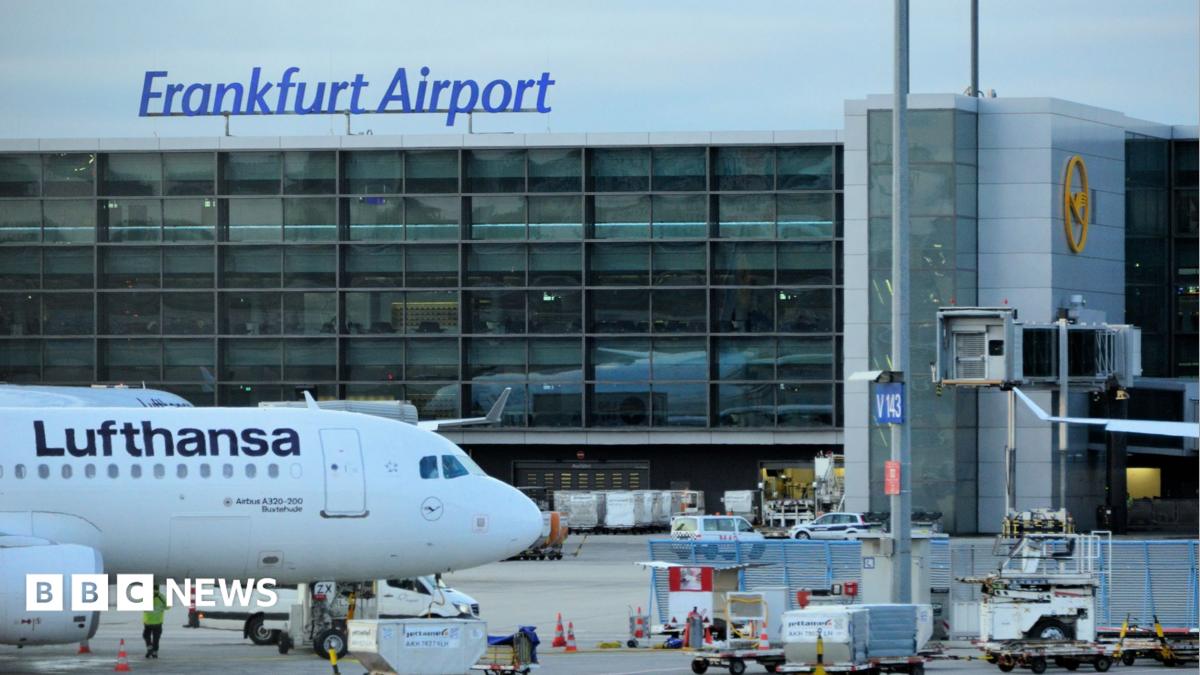
German Airport Worker Dies of Malaria After Rare Mosquito Outbreak
A German airport worker has died after contracting malaria in a rare outbreak linked to a mosquito believed to have been transported inside an aircraft at Frankfurt Airport, according to federal health officials and airport operators. Five additional staff members are currently receiving medical treatment for the infection, prompting the installation of specialized traps to investigate the origins of the insects at Germany’s busiest aviation hub.
The Mechanics of Airport Malaria at Frankfurt
According to statements from the Robert Koch Institute, an imported Anopheles mosquito carried over by an aircraft is the likely vector behind the cluster of cases. Airport malaria—frequently referenced in epidemiological literature as suitcase malaria or Odyssean malaria—occurs when an infected mosquito becomes trapped inside an aircraft cabin or passenger luggage. The insect is subsequently transported to a traditionally malaria-free region, where it bites an individual on or near the tarmac.
The six affected employees contracted the disease between July 4 and July 6, based on findings from the Robert Koch Institute. While initial reports in July indicated four infected workers, that total has since risen to six. Fraport, the airport operator, confirmed the fatality through a formal statement noting that one employee has sadly died as a result of the infection, while five others continue to receive medical care for the specific form of the disease known as airport malaria.
Because indigenous malaria was eradicated in western Europe during the 1970s, local physicians rarely encounter the disease in patients lacking a travel history to endemic regions. The Robert Koch Institute noted that the absence of reported travel history can lead to a delayed diagnosis, which subsequently increases the risk of a severe course of the disease. Common symptoms mirror standard malaria presentations, including high temperatures, sweats, chills, headaches, tummy pain, loss of appetite, and muscle aches.
Diagnostic Challenges and Public Health Monitoring
Health authorities emphasize that early detection remains the single most effective defense against severe outcomes. Fraport issued guidance advising all airport personnel to inform their treating physicians of their workplace environment if they experience any compatible symptoms, ensuring appropriate medical examination and treatment protocols are initiated without delay.
To pinpoint the source and exact species responsible for the outbreak, Frankfurt Airport authorities have installed specialized mosquito traps around the facility. Captured specimens are slated for genetic analysis by the Institute of Tropical Medicine in Antwerp, Belgium. Meanwhile, the Frankfurt Health Department continues to monitor the situation closely, maintaining active communication with Fraport management and federal disease control experts.