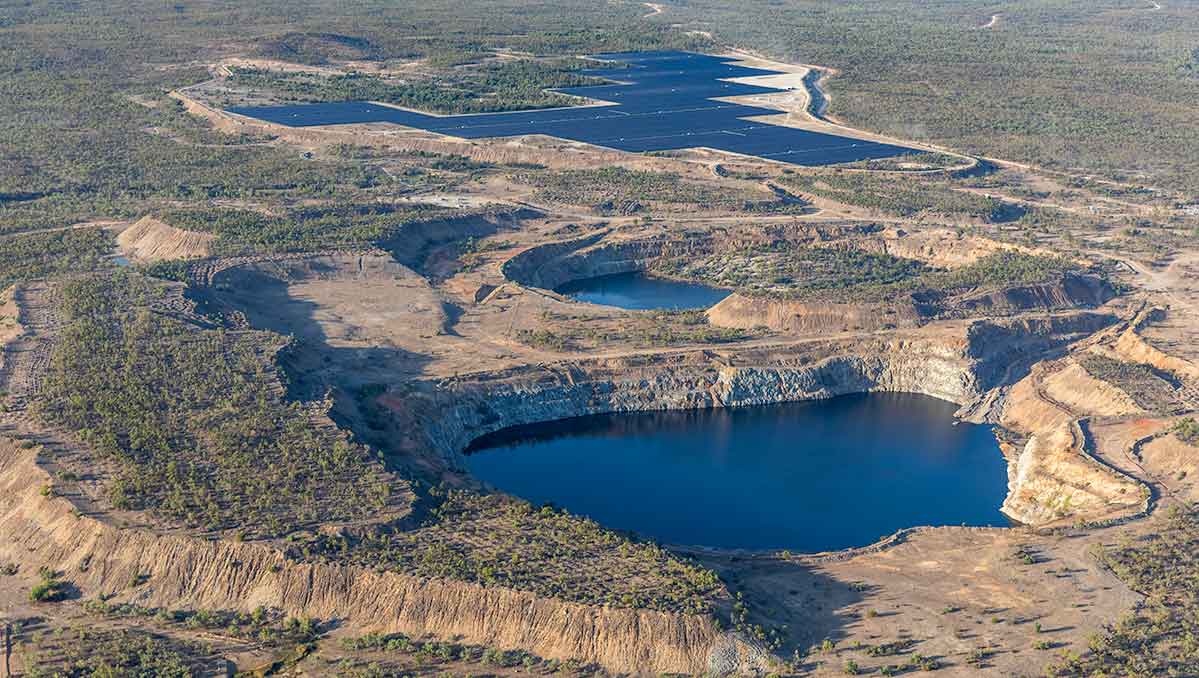
Genex to Build Australia’s First Private Pumped Hydro Project
Genex Power has officially abandoned plans to integrate a wind farm into its Kidston Pumped Hydro Project in Queensland, Australia, citing the region’s challenging rocky terrain. The decision marks a significant pivot for the project, which remains the first pumped hydro facility developed by a private company in Australia in four decades.
Geological Constraints Force Project Scope Reduction
The Kidston project, situated on the site of a former gold mine, was originally conceived as a multi-stage renewable energy hub. However, recent site assessments confirmed that the geological profile—specifically the presence of complex, hardened rock formations—renders the installation of wind turbines technically and economically unviable. According to company filings, the costs associated with specialized excavation and foundation stabilization exceeded the projected energy yield of the wind components.
This development is a setback for the “integrated” vision of the project, which aimed to combine solar, wind, and pumped hydro storage to provide a stable, 24-hour renewable energy supply. While the hydro and solar elements remain active, the removal of the wind component reduces the total nameplate capacity of the site. For stakeholders involved in large-scale infrastructure, this highlights the necessity of early-stage geotechnical due diligence.
Developers often overlook subsurface risks until the construction phase, leading to massive cost overruns. Engaging with Geotechnical Engineering Consultants at the feasibility stage is critical to identifying these high-risk zones before capital is fully committed.
The Regulatory and Economic Implications of Kidston
As Australia attempts to transition its aging grid toward renewables, projects like Kidston are considered bellwethers for private-sector involvement. The facility is designed to act as a giant battery, pumping water between two reservoirs to store energy when solar and wind production is high, and releasing it through turbines when demand peaks. The exclusion of wind power does not compromise the core hydro-storage function, but it does alter the site’s overall dispatch profile.
The Australian Renewable Energy Agency (ARENA) has long tracked the progress of the Kidston facility as a proof-of-concept for private investment in long-duration storage. However, the logistical reality of the Queensland interior remains a formidable barrier to entry. Infrastructure projects of this scale frequently face legal and regulatory hurdles regarding land use and environmental compliance.
For firms managing complex projects, navigating these disruptions often requires specialized legal oversight. Retaining Commercial Construction Law Firms is standard practice to manage the fallout of contractor renegotiations and permit amendments when project scopes must shift unexpectedly.
Infrastructure Resilience and Regional Development
The failure to integrate wind power at Kidston underscores a broader issue in the Australian energy sector: the gap between theoretical renewable capacity and the physical limitations of the landscape. Queensland’s rugged terrain, while ideal for creating the elevation changes necessary for pumped hydro, often presents significant challenges for the heavy machinery required to transport and erect wind turbine components.
Local community leaders have expressed mixed reactions to the news. While the hydro project continues to provide local employment, the scaling back of the wind farm represents a loss of potential ancillary infrastructure investment. According to local economic reports, the integration of multiple renewable streams was expected to sustain a larger, long-term maintenance workforce in the Etheridge Shire region.
When major projects downsize, the impact ripples through the local supply chain. Businesses that provide heavy equipment logistics and specialized site services often find themselves in a precarious position. Companies looking to manage these risks should consult with Project Management and Infrastructure Advisory Firms to ensure their operational contracts are built with sufficient flexibility to account for regional geological and logistical volatility.
The Future of Private-Sector Pumped Hydro
Despite the exclusion of wind, the Kidston Pumped Hydro Project remains a critical component of Queensland’s energy security strategy. The facility is expected to provide 250 megawatts of fast-start, dispatchable power. The shift in plans serves as a cautionary tale for investors: the “green energy transition” is as much a challenge of civil engineering as it is of climate policy.
The inability to overcome site-specific geological barriers serves as a stark reminder that even the most well-funded projects are at the mercy of the earth they occupy. As the market for renewable energy continues to mature, developers must balance innovation with the hard constraints of local topography. Those who fail to integrate rigorous, independent site assessments into their planning phase risk not only financial loss but the integrity of their entire energy portfolio.
For organizations currently overseeing similar developments, the path forward requires a shift toward more robust, data-driven planning. Securing vetted experts to audit project viability is no longer an optional step—it is a prerequisite for survival in an increasingly complex and unforgiving energy market.