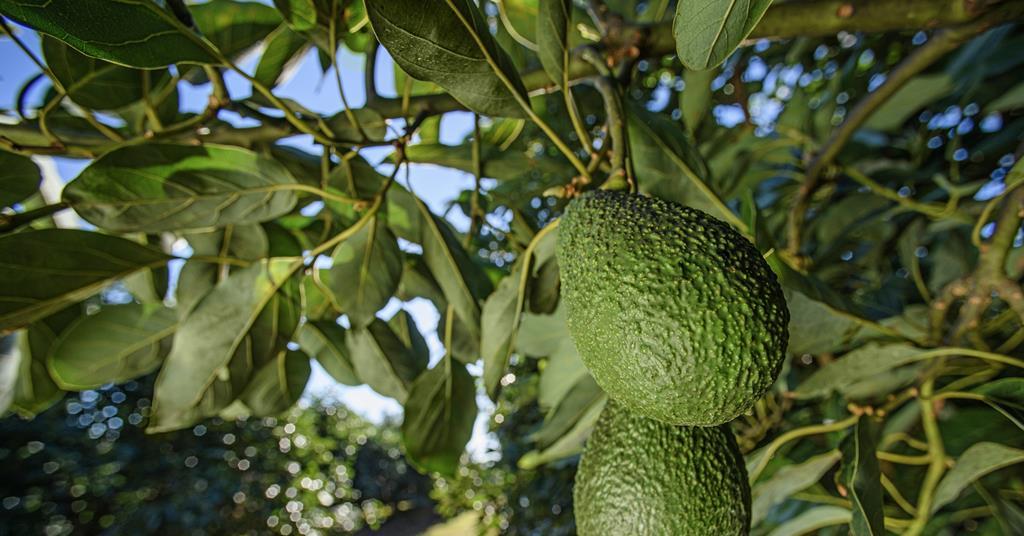
Gene Discovery Breakthrough to Accelerate Avocado Breeding Efficiency
Gene Discovery Shaves Years Off Avocado Breeding Cycles
Researchers have identified a genetic switch that controls whether an avocado tree produces A- or B-type flowers, according to a study published in the Proceedings of the National Academy of Sciences. Led by researchers at the University of California, Davis, in collaboration with University of California, Riverside scientists, the discovery enables researchers to identify tree flowering types via DNA long before seedlings mature.
The Tech TL;DR:
- The Breakthrough: Identification of the SDMYB gene, a floral transcription factor controlling A- and B-type flowering patterns in avocados.
- Operational Impact: Eliminates the traditional five- to ten-year waiting period required for seedlings to flower, transforming cultivar selection.
- Deployment Reality: Allows agricultural developers to filter and select pollinizer lines at the seedling stage, optimizing orchard yields immediately.
Decoding the Century-Old Pollination Puzzle
Avocado trees exhibit a complex pollination mechanism where flowers open first as female before closing and reopening later as male. Varieties are categorized as A or B types based on the precise timing of these phases. Growers typically interplant A- and B-type trees to maximize cross-pollination efficiency, dedicating roughly 10 percent of an orchard to B-type pollinizers. Historically, determining a seedling’s flower type required waiting years for the tree to mature and bloom. According to Jeffrey Groh, first author of the study who led the project as a doctoral student at UC Davis and is now a postdoctoral fellow at UC Berkeley, the work decodes this long-standing mechanism. “Flowers are not just static decorations; they are highly evolved and dynamic structures,” Groh stated, noting that genetic analysis reveals traces of this rhythmic opening and closing across ancient lineages.
Accelerating Cultivar Development Pipelines
The newly isolated genetic marker targets the SDMYB gene, which functions as a floral transcription factor. By running DNA diagnostics on young tissue samples, breeders can classify trees instantly. Co-author Eric Focht, a staff research associate in UCR’s Department of Botany and Plant Sciences, highlighted the practical benefits of the discovery. “This gives us a shortcut we’ve never had before,” Focht noted, explaining that DNA-level identification removes the spatial and temporal bottlenecks of field-testing hundreds of uncharacterized seedlings.
This molecular shortcut directly impacts the development of commercially viable B-type cultivars. While standard pollinizers often yield fruit with limited market value, programs like UCR’s breeding initiative successfully produced the Luna avocado, balancing commercial fruit quality with necessary pollination dynamics. Marllon Soares dos Santos, a co-author and postdoctoral researcher in UCR’s Department of Botany and Plant Sciences, pointed out that breeders can now make those choices right at the start of the cycle instead of spending years waiting outdoors.
Implementation and Code-Level Data Filtering
# Align raw Illumina reads against the Persea americana reference genome
bwa mem -t 8 reference_genome.fa sample_R1.fastq.gz sample_R2.fastq.gz | samtools sort -O bam -o sorted_sample.bam

# Index the sorted alignment file
samtools index sorted_sample.bam

# Call variants targeting the SDMYB locus
bcftools mpileup -f reference_genome.fa sorted_sample.bam | bcftools call -mv -Ov -o sdmyb_variants.vcf
Future Trajectory of Molecular Agriculture
The mapping of the SDMYB floral transcription factor establishes a template for applying high-throughput genomics to perennial crop breeding.