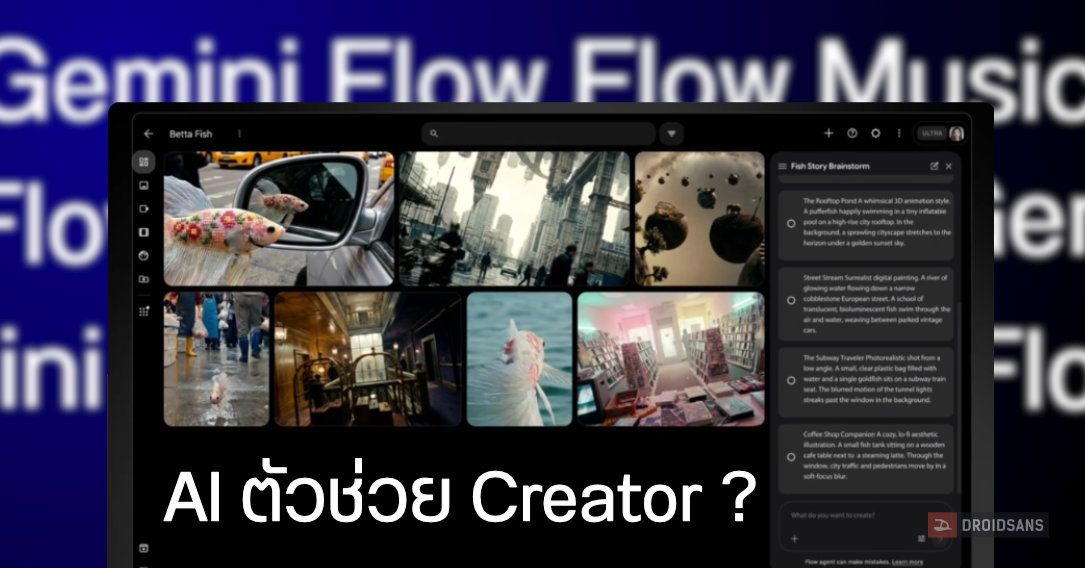
Gemini Omni and Flow Music: AI Industry Threat or Powerful Work Assistant?
Google’s Gemini Omni and Flow AI tools have prompted discussions among creative professionals in Southeast Asia, with some reporting shifts in workflow and others expressing concerns about job security. A Bangkok-based graphic designer, Pongsakorn Meesri, confirmed that his firm has integrated Flow for task automation, reducing project turnaround times by 30% according to internal records. Meanwhile, a separate survey by the Thai Creative Industries Association found 18% of respondents reported increased workload due to AI-assisted projects, though no layoffs have been officially documented.
The tools, developed by Google’s DeepMind division, include Gemini Omni, an AI system capable of generating text, code, and multimedia, and Flow, a platform for managing AI-driven workflows. A spokesperson for Google Thailand stated the tools aim to “enhance productivity” but acknowledged “ongoing dialogue with industry stakeholders.” This follows a May 2024 report by the International Labour Organization noting a 12% rise in AI adoption across Southeast Asian creative sectors, though no direct correlation to employment trends was established.

Industry reactions vary. Chutima Srisawat, a film editor in Chiang Mai, described Flow as “a double-edged sword,” noting it streamlined video editing tasks but required upskilling. “We’ve had to learn new software, which takes time,” she said. In contrast, a 2024 study by the National Institute of Development Administration found 67% of surveyed creative workers viewed AI tools as “complementary” rather than replaceable, with 43% reporting increased client demand for AI-enhanced outputs.
Government officials have yet to issue formal statements. The Ministry of Digital Economy and Society released a June 2024 white paper emphasizing “responsible AI development,” but no specific measures targeting creative industries were outlined. Meanwhile, labor unions in Thailand have begun organizing workshops on AI literacy, with the Federation of Thai Workers announcing a series of sessions starting in August 2024.
The debate coincides with global discussions on AI’s economic impact. A July 2024 report by the World Economic Forum highlighted Southeast Asia as a “regional hub for AI-driven creative innovation,” though it noted “significant regional disparities in adaptation rates.” In Vietnam, where AI adoption in creative fields is reported to be 25% higher than in Thailand, the Ministry of Information and Communications has launched a pilot program for AI ethics training in design schools.
As the tools gain traction, the Thai Creative Industries Association plans to release a comprehensive impact assessment by October 2024. The report will include data on productivity metrics, workforce adjustments, and client satisfaction, according to association secretary Prapas Pholpradit. “We need a balanced view to guide policymakers and professionals,” he said.