
Wahoo Elemnt Ace vs. Garmin Edge 1050: Which Bike Computer Reigns Supreme?
The cycling world is buzzing with the latest head-to-head battle: Wahoo’s Elemnt Ace versus Garmin’s Edge 1050. Both devices represent the pinnacle of bike computer technology, boasting large, crystal-clear touch displays, extended battery life, and ample storage for maps and workouts. But beyond the shared features, key differences emerge that could sway cyclists toward one brand or the other. These top-tier models offer real-time connectivity with smartphones, live location sharing, crash detection, and compatibility with heart rate and performance sensors. Some even support action cameras and radar tail lights, like Garmin’s Varia. Let’s dive into what sets these cycling computers apart.
Key Features and Innovations
Both the Wahoo elemnt Ace and Garmin Edge 1050 introduce an integrated bell function and voice output, though the Ace initially only supported English at launch. while their core functionalities overlap significantly,subtle distinctions in menu navigation,navigation capabilities,and comfort features can influence a rider’s preference. Testers Eric Gutglück (Wahoo) and Christian Brunker (Garmin) have identified these nuances, offering insights for cyclists seeking the perfect fit.
Did You know? The global cycling computer market is projected to reach $748.4 million by 2028, growing at a CAGR of 6.8% from 2021, according to a report by Fortune Business Insights.
Garmin Edge 1050: Exclusive Features
The Garmin Edge 1050 boasts several features not found on the Wahoo Elemnt Ace:
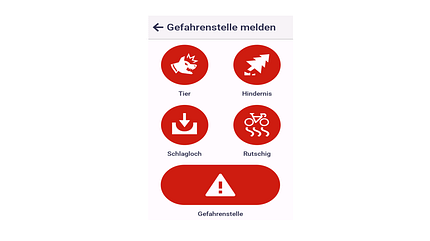
- Community Hazard Reporting: Riders can flag potential dangers like potholes, sharing them with the Garmin community in real-time. This feature is available on Edge 40 series devices and newer.
- Power Guide: Based on a rider’s performance data, the Edge 1050 generates wattage recommendations for specific segments of a planned route, aiding in pacing, especially during long rides.
- Group Ride: Users can create group rides,sharing a code that allows other Garmin users to automatically receive the route and share messages within the group.
- Garmin Pay: The Edge 1050 supports contactless payments via stored credit cards, enabling riders to make purchases without needing a phone or wallet.
Wahoo Elemnt Ace: Unique Capabilities
The Wahoo Elemnt Ace distinguishes itself with the following exclusive feature:
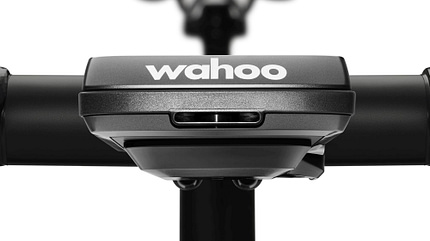
- Wind Sensor: The Ace measures wind resistance and compares it to the rider’s speed, providing color-coded data on headwind, tailwind, and drafting conditions. This helps riders optimize their positioning and energy expenditure, especially in group rides or varying wind conditions.The sensor functions above 16 km/h.
Pro Tip: Consider your typical riding style and habitat when choosing between the Wahoo Elemnt Ace and Garmin Edge 1050. If you frequently ride in groups and value wind data, the Ace might be a better fit. If you prioritize community features and payment options, the Edge 1050 could be the better choice.
Hardware Comparison
| Feature | Garmin Edge 1050 | Wahoo Elemnt Ace |
|---|---|---|
| display size | (Specific size data needed) | (Specific size data needed) |
| Battery Life | (specific battery life data needed) | (Specific battery life data needed) |
| Storage Capacity | (Specific storage capacity data needed) | (Specific storage capacity data needed) |
| Exclusive Features | Community Hazard Reporting, Power Guide, Group Ride, Garmin Pay | Wind Sensor |
Conclusion
Ultimately, the choice between the Wahoo Elemnt Ace and Garmin Edge 1050 depends on individual needs and preferences. Both are excellent devices, but their unique features cater to different riding styles and priorities. Consider what matters most to you on the road, and choose accordingly.
Which features are most crucial to you in a bike computer? Do you prefer Garmin or Wahoo, and why?
Evergreen Insights: The Evolution of Bike Computers
Bike computers have evolved significantly from simple speed and distance trackers to sophisticated devices offering navigation, performance analysis, and connectivity features. Early models relied on wired sensors and basic displays, while modern computers leverage GPS, Bluetooth, and ANT+ technology to provide a wealth of data and seamless integration with other devices. The rise of cycling computers reflects the growing emphasis on data-driven training and enhanced rider experience.
Frequently Asked Questions About Bike Computers
- What is the primary function of a bike computer?
- A bike computer’s primary function is to track and display cycling data such as speed, distance, time, and cadence, helping riders monitor their performance and progress.
- How does a GPS bike computer work?
- A GPS bike computer uses satellite signals to determine the rider’s location, speed, and elevation, providing accurate data for navigation and performance tracking.
- Can a bike computer improve my cycling performance?
- Yes,by providing real-time data and post-ride analysis,a bike computer can definately help riders identify areas for enhancement,optimize training,and track progress over time.
- What are the key differences between Wahoo and garmin bike computers?
- Key differences often lie in user interface, specific features (like Wahoo’s wind sensor or Garmin’s community hazard reporting), and ecosystem integration. Both brands offer high-quality devices,but cater to slightly different user preferences.
- Are bike computers compatible with other cycling accessories?
- Yes, most modern bike computers are compatible with accessories like heart rate monitors, power meters, and cadence sensors via Bluetooth or ANT+ connectivity.
- How often should I update my bike computer’s software?
- It’s recommended to update your bike computer’s software regularly to ensure optimal performance, access new features, and receive bug fixes.
- What is the average battery life of a high-end bike computer?
- The average battery life of a high-end bike computer typically ranges from 20 to 40 hours, depending on usage and features enabled.
Share this article with your cycling friends and let us know your thoughts in the comments below!
