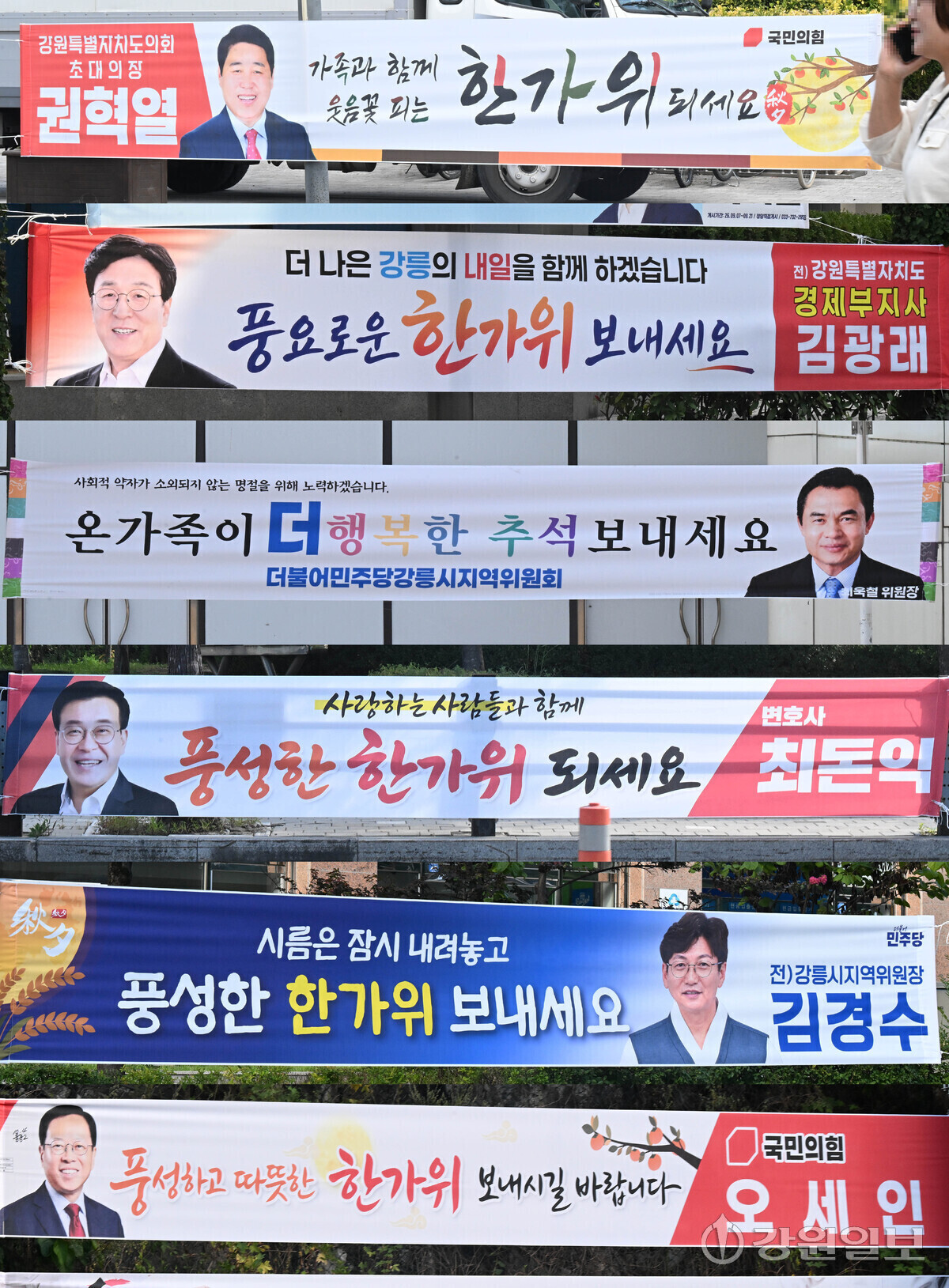
Gangneung By-Election Candidates Launch Early Campaign Amid Nomination Uncertainty
More than ten prospective candidates have launched early campaign strategies for the upcoming April parliamentary by-election in Gangneung, entering a prolonged preparatory phase, kwnews.co.kr reported.
Crowded Field Faces Strategic Uncertainty Before by-Election
The by-election field features a crowded roster of hopefuls, including a current senior government official, former and current legal professionals, and former local council members. Despite the early intensity, candidates face complicated strategic choices due to the long runway before the vote and persistent rumors of potential strategic nominations by central party leadership without finalized official schedules.
Candidate engagement varies significantly across the political spectrum. Some prospective runners are keeping a low profile while monitoring central party and local public sentiment, whereas others rely heavily on social media to build name recognition. Within the Democratic Party, former Gangneung City Regional Committee Chairman Kim Kyung-soo has been canvassing local athletic events and festivals. Meanwhile, former Regional Committee Chairman Bae Seon-shik proposed specific policy solutions for regional industrial challenges, including the resolution of East Coast high-voltage direct current (HVDC) transmission constraints.
On the opposing side, former Gangwon State Council Chairman Kwon Hyuk-yeol and attorney Choi Don-ik have focused on national topics such as the Nuri rocket launch and Asian Games military service exemptions. Former Gangwon State Councilman Kim Yong-rae issued critical statements challenging the city’s shared property acquisition review plan.
Political Parties Prepare for Campaign Milestones
The Democratic Party plans to ramp up its by-election campaign efforts around the Gangneung ITS World Congress, which opens on October 19, following initial support from party leadership. The People Power Party is closely analyzing shifting government and opposition approval ratings in a region known as a traditional conservative stronghold, while quietly vetting competitive figures.
A local political insider noted that the extended timeline combined with opaque nomination processes and candidate consolidation will likely force contenders into a prolonged period of independent survival competition.