
The success of a story can be measured not only by its popularity but also by the intensity wiht which its ending is debated. This phenomenon has accompanied Game of Thrones, a creation that began as a literary saga and became one of the most influential television products of the modern era. its expansion surpassed the realm of the books, becoming a cultural touchstone followed by millions worldwide.
The HBO series not only adapted the universe of George R.R. Martin but also expanded it into unwritten territories,generating enthusiasm and then division among followers. This step beyond the original material marked the beginning of a period of tension between the expectations of readers and the narrative decisions of the screenwriters. This led to a debate about how a story can grow to surpass the limits of its source and provoke opposite reactions.
The Actor Reacted with Anger to the Campaign to Remake the Final Installment
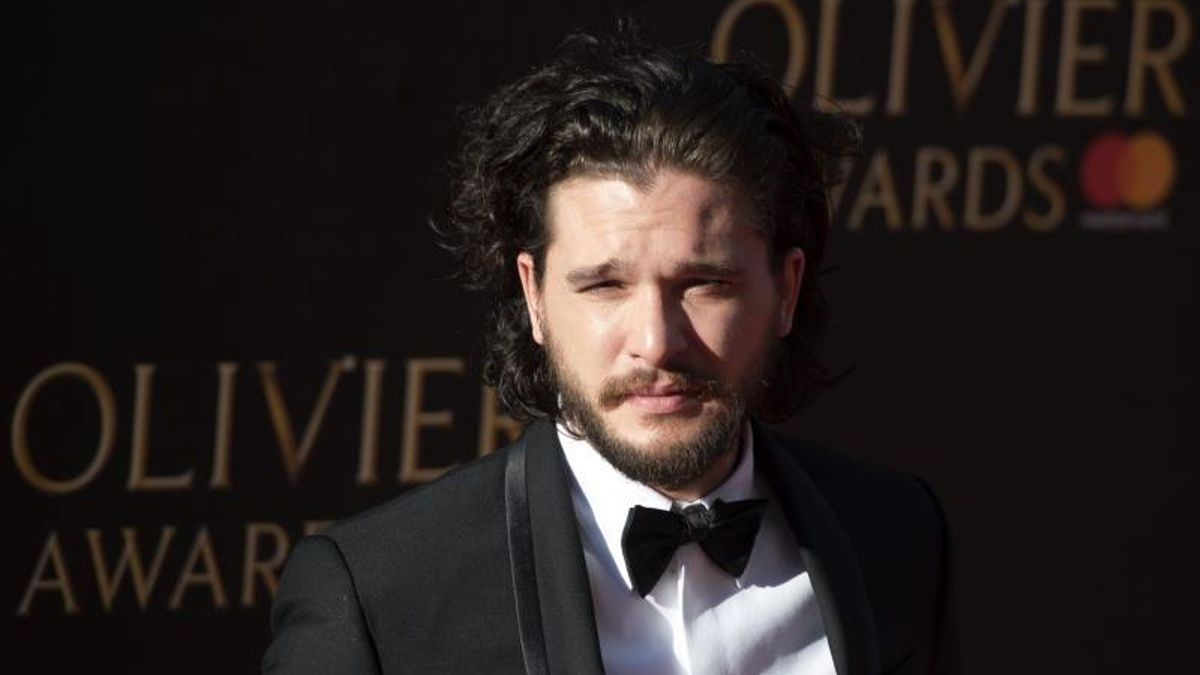
Kit Harington told the New York Times that he was deeply offended by the viral petition demanding a remake of season eight of Game of Thrones with “competent screenwriters.” The campaign, launched in 2019 with an initial goal of 15,000 signatures, reached more than 1.8 million. “That really angered me,” explained the actor, who played Jon Snow, defending the work of David Benioff and D.B. Weiss, the creators of the series.
The actor added that the level of aggression reached on social networks could only be generated “by the stupidity that arises on the internet.” During the same interview, he remembered that during the final broadcast he was in rehabilitation and that upon leaving, he was surprised by the widespread negativity despite the teamS efforts. He mentioned, as an example, one of the most complex battles, which required 55 consecutive days of filming.
George R.R. Martin,author of A Song of Ice and Fire,explained in the same publication,but several years earlier,that he had been “very distanced” from the last seasons,especially the eighth. he stated that he delivered some essential points of the ending to the showrunners,such as the choice of bran as king,but pointed out that his novels will not follow the same path.
According to him, the books will have less optimistic and more lethal endings, in which characters like Tyrion Lannister could have a tragic fate. More recently he has admitted feeling frustration for not having finished the saga yet and ruled out that another author complete his story.
The Accelerated Finale Fueled Criticism for Narrative Decisions and Visible Flaws
Harington’s anger coincided with a period of strong debate among followers. He considered the criticism towards the technical and artistic team unfair, insisting on the commitment shown during the last years of filming. HBO, for its part, acknowledged having known the request to remake the season, but never took it seriously. Casey Bloys, then head of programming for the network, stated in 2019 that a new shoot was not considered. “There are very few disadvantages of having such a popular series, but one of them arises when you try to close it,” he declared.
Much of the public’s disappointment stemmed from the pace and rushed resolution of the last episodes. Many viewers felt that the plot was overly compressed,and Daenerys Targaryen’s turn towards cruelty was too hasty. There were also criticisms about the outcome of the Iron Throne and the loss of coherence in the progress of several characters.
The indignation reached its peak with the shooting errors detected by viewers, such as the coffee cup that appeared in one of the sequences, becoming a symbol of the final inattention.
George R.R. Martin Divides His Time While the Saga Remains Unfinished
The series ended up surpassing the literary chronology when Martin’s novels stopped at A Dance with Dragons, published in 2011. Since then, the screenwriters continued the plot with creative freedom. the writer, for his part, continues working on The Winds of Winter, the sixth installment of the saga, which he has announced as different in tone and destination.He assures that his version will include more deaths and fewer concessions.
Simultaneously occurring, Game of thrones remains an example of the scope and fractures that can generate a story that, by growing beyond its origin, leaving its author and its followers with the same feeling of distance from its ending, but united by the memory of an irrepeatable phenomenon.
