
AI-Assisted Conception Brings Hope to Couple After 18 Years
After nearly two decades of trying, a couple is finally expecting a baby thanks to an innovative AI-driven approach that successfully identified and recovered previously undetectable sperm.
Overcoming Azoospermia with AI
The couple had faced repeated disappointment with traditional IVF treatments due to azoospermia, a condition where a man’s semen lacks measurable sperm. They then sought help from the Columbia University Fertility Centre.
The innovative “STAR” method, short for Sperm Tracking and Recovery, uses artificial intelligence to locate elusive sperm in men diagnosed with this severe form of infertility. The team of researchers analyzed the man’s semen sample and successfully located three sperm.
The STAR Method: A “Game-Changer”
According to Dr. Zev Williams, director of the Columbia University Fertility Centre, his team spent five years developing the STAR method. To Williams, finding sperm can be like “searching for a needle scattered across a thousand haystacks.”
He believes the STAR system is “remarkable”
and a “game-changer.”
Dr. Williams explained how the technology was superior to traditional methods. “A patient provided a sample, and highly skilled technicians looked for two days through that sample to try to find sperm. They didn’t find any. We brought it to the AI-based STAR System. In one hour, it found 44 sperm. So right then, we realised, ‘Wow, this is really a game-changer. This is going to make such a big difference for patients,’”
he said.
How STAR Works
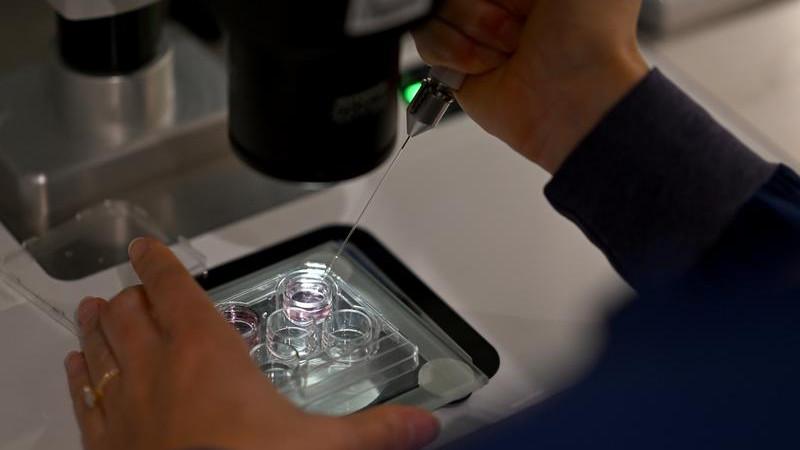
Connecting a high-speed camera to a microscope, the STAR system meticulously scans the semen sample. In less than an hour, the technology captures over eight million images to identify any present sperm cells.
The AI-driven process avoids harmful lasers or stains, offering a gentle approach. The success marks the first reported conception using the STAR method. The good news comes as male infertility is on the rise; a recent study links increased pollution to declining sperm counts (NIEHS 2023).
A Couple’s Joy and Hope
The expectant mother told CNN Health she and her partner had tried to keep their hopes low, given their history of disappointments.
After so many years of trying, disbelief was a natural reaction. “It took me two days to believe I was actually pregnant,”
she admitted to CNN Health. The baby is expected in December.
While currently available only at Columbia University Fertility Centre, Dr. Williams and his team hope to share their findings with other fertility centers, expanding access to this innovative treatment for azoospermia.
