Galicia’s Hidden Gem: The First Blue Flag Mountain Beach in Ourense
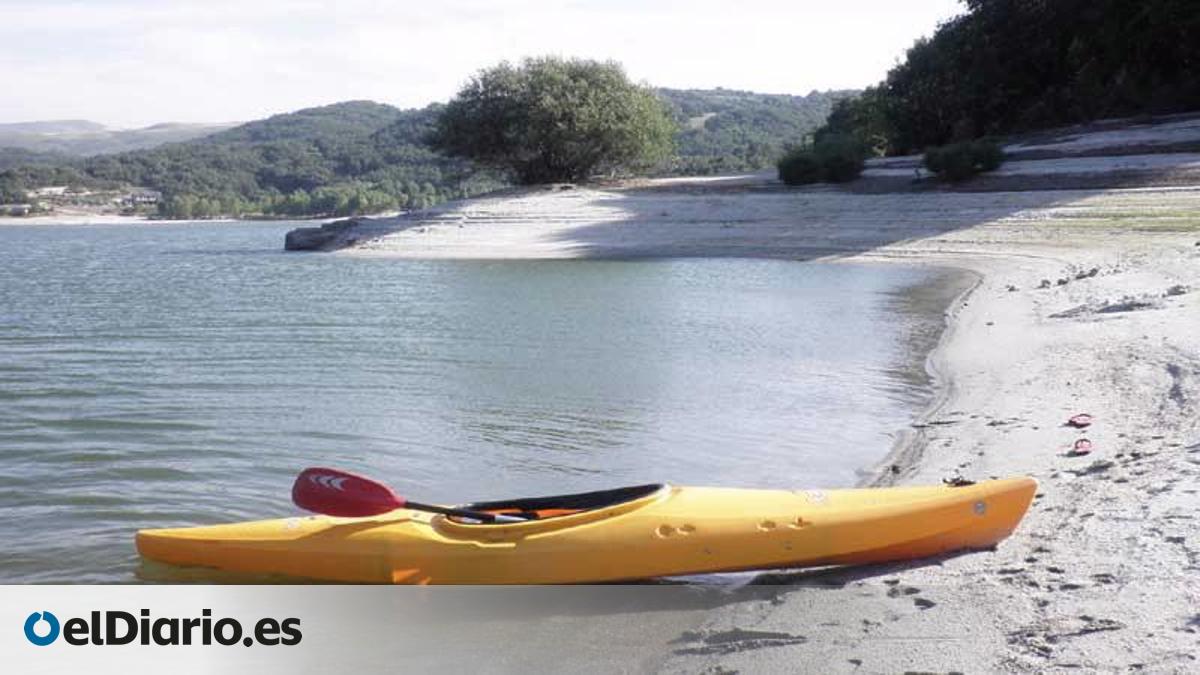
In a historic first, Galicia’s province of Ourense has earned its first-ever Blue Flag designation for an inland beach: Playa de los Franceses, a mountain-top river beach nestled 800 meters above sea level. This 1958-built reservoir beach—surrounded by forests and accessible only via a 34km circular trail—now joins Spain’s 108 Blue Flag beaches, redefining sustainable tourism in Spain’s interior. The €140,000 infrastructure upgrade, including kayak rentals and a submerged village catamaran tour, positions Ourense as a model for rural economic diversification.
A Beach Without the Sea: How Ourense’s Mountain Oasis Became Spain’s First Inland Blue Flag
The story begins not with waves, but with water. In 1958, the construction of the Prada Dam submerged the village of Alberguería, creating the reservoir that now cradles Playa de los Franceses. What was once a drowned hamlet is now a tourist magnet—one that has spent decades waiting for official recognition. Today, that wait is over. The beach’s 2026 Blue Flag certification marks a turning point for Galicia’s interior, proving that sustainable tourism isn’t limited to coastal destinations.
Why this matters: Spain’s Blue Flag program, administered by the Foundation for Environmental Education (FEE), evaluates beaches on water quality, safety, environmental management, and accessibility. For Playa de los Franceses—located 100km from the nearest ocean—this certification is a technical feat. The beach’s elevation (800m above sea level) and its status as a playa fluvial (river beach) meant it had to meet criteria typically reserved for coastal sites. The success sets a precedent: if a mountain beach can earn a Blue Flag, what other inland waterways might qualify?
“This certification is more than an award—it’s a validation of our rural tourism strategy. Ourense has long been known for its thermal springs and hiking trails, but now we’re proving we can compete with the coast for quality tourism infrastructure.”
The Infrastructure Behind the Certification
The €140,000 investment—funded by the Galician Regional Government and local municipal budgets—transformed Playa de los Franceses from a hidden gem into a certified destination. Key upgrades included:

- Safety: Lifeguard stations and a floating dock for emergency response.
- Accessibility: Paved pathways connecting to the Senda del Xares trail network.
- Eco-Tourism: Solar-powered showers, recycling stations, and a “submerged village” catamaran tour (€4/person) that highlights Alberguería’s drowned history.
- Recreation: Kayak, paddleboard, and bicycle rentals, with a dedicated Ourense Tourism Office guidebook for multi-day stays.
The beach’s facilities extend beyond the shore. Nearby, the Prada Reservoir offers a 34km circular trail (Senda del Xares) that loops through pine forests, art installations (like the Bosque de Esculturas), and abandoned riverside villages. For hikers, the route culminates at Treviña Mountain, Galicia’s highest peak, offering panoramic views of the reservoir.
Economic Ripple Effects: Who Benefits?
The Blue Flag designation isn’t just a stamp of approval—it’s an economic catalyst. For Ourense, a province historically reliant on agriculture and thermal tourism, this certification opens doors to:
| Sector | Direct Beneficiaries | Indirect Opportunities |
|---|---|---|
| Tourism |
|
|
| Infrastructure |
|
|
| Legal & Compliance |
|
|
The Bigger Picture: Spain’s Blue Flag Expansion
Playa de los Franceses isn’t just Ourense’s first Blue Flag—it’s part of a broader trend. In 2025, Spain’s total Blue Flag beaches reached 108, with Galicia alone holding 40% of the country’s certified inland sites. The certification process, which requires annual re-evaluation, is pushing municipalities to invest in:
- Water Quality: Monthly testing for bacteria and microplastics (conducted by Spain’s Geological Survey).
- Safety Protocols: Mandatory lifeguard training aligned with Spanish Rescue Council standards.
- Sustainability: Proof of carbon-neutral waste management (e.g., Ecologists in Action audits).
For Ourense, the certification arrives at a pivotal moment. The province has seen a 12% annual growth in rural tourism since 2020, per the Spanish National Institute of Statistics. Playa de los Franceses could become a cornerstone of this growth, but challenges remain:
“The biggest hurdle isn’t the certification—it’s maintaining it. Ourense’s reservoirs are prone to droughts, and water levels can drop sharply in summer. We’re already working with Spain’s Hydrographic Confederations to ensure the beach remains viable year-round.”
Directory Bridge: Solutions for a Mountain Beach’s Challenges
The Playa de los Franceses certification creates new opportunities—and new demands. Here’s how local professionals are already adapting:

For tourism operators: The beach’s new status demands Galician Tourism Accreditation compliance. Businesses are turning to certified tourism consultants to navigate the 18-month recertification process. “[Relevant Service/Organization Type: Tourism Certification Consultants]” can help hotels and restaurants align with Blue Flag’s strict sustainability guidelines.
For infrastructure projects: The reservoir’s fluctuating water levels require environmental engineering firms to design resilient docks and trails. “[Relevant Service/Organization Type: Waterway Infrastructure Specialists]” are already in demand for similar projects in Lugo’s reservoirs and León’s mountain lakes.
For legal compliance: Municipalities must now enforce Spain’s Coastal and Inland Water Law for the reservoir. “[Relevant Service/Organization Type: Environmental Law Attorneys]” are advising on liability issues, particularly around recreational water sports.
The Future: Can Other Mountain Beaches Follow?
Playa de los Franceses isn’t the only inland beach in Spain with potential. The Spanish Reservoir Association estimates there are over 1,200 man-made lakes with sandy shores—many of which could meet Blue Flag criteria. The certification process, however, is rigorous:
- Water Testing: Quarterly samples for E. Coli and heavy metals (cost: ~€1,500/year).
- Safety Audit: Lifeguard training and emergency response drills (mandatory for all certified sites).
- Sustainability Plan: Waste reduction targets and renewable energy use (e.g., solar-powered showers).
- Accessibility Review: Compliance with UN Disability Rights Convention standards.
The success of Playa de los Franceses could accelerate this trend. Already, the Galician government has earmarked €500,000 for a “Blue Flag Reservoir Initiative,” aiming to certify three additional inland beaches by 2028. Potential candidates include:
- Playa de As Catedrais (Lugo) – A river beach with thermal springs.
- Embalse de Sanabria (Zamora) – Europe’s largest artificial lake.
- Playa de Sil (Ourense) – A glacial lake with rare white sands.
The Last Word: A Blueprint for Rural Revival
Playa de los Franceses proves that tourism doesn’t need an ocean to thrive. For Ourense, this certification is more than a badge—it’s a blueprint. The province’s thermal springs, hiking trails, and now its Blue Flag beach create a trifecta of attractions that could redefine inland tourism. But the real test lies ahead: Can the infrastructure sustain the influx? Will the certification inspire other municipalities to invest? And perhaps most critically—will Spain’s Blue Flag program expand to include more mountain oases?
One thing is certain: The story of Playa de los Franceses isn’t over. It’s a template. And in a world where coastal destinations face overcrowding and climate risks, the mountains may just hold the next great tourist revolution.
To explore how this model can be replicated—or to find verified professionals to help your region achieve similar certifications, visit our Tourism Certification Directory or connect with environmental law specialists who understand the nuances of Spain’s Blue Flag requirements.