
global Fungal Network Under Threat, Scientists Warn; Urgent Conservation Needed
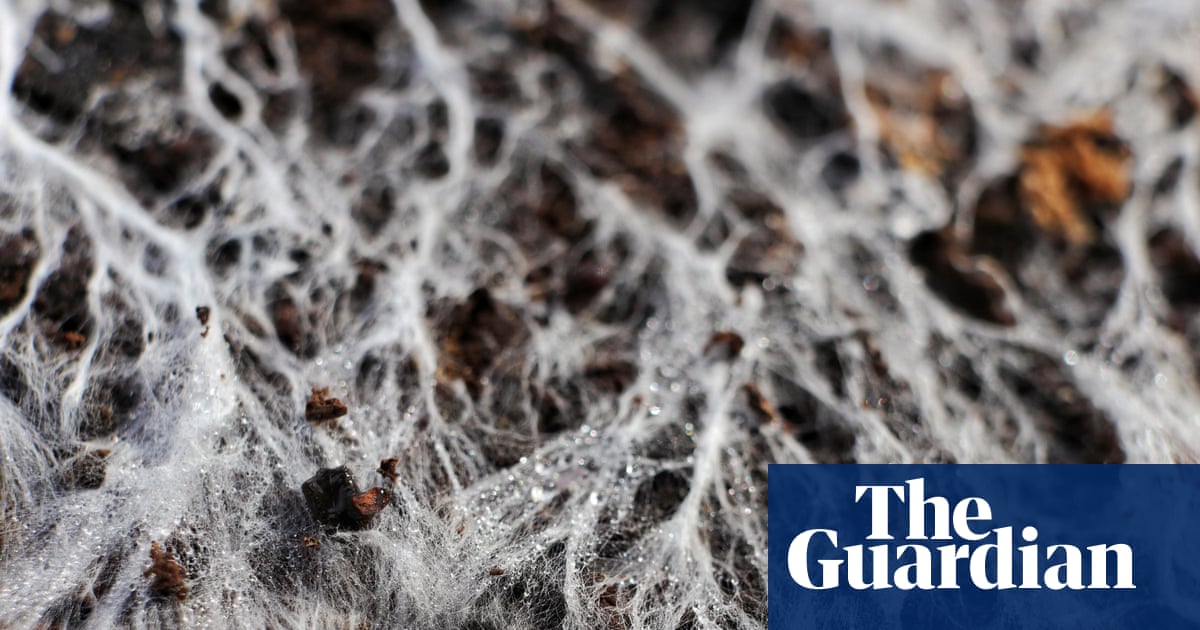
A groundbreaking international effort to map the earth’s hidden fungal networks is highlighting the critical need for conservation, as land use practices are severely degrading these vital underground ecosystems. Scientists involved in the Spun project emphasize that these mycorrhizal fungi, crucial for agricultural productivity and human health, are largely overlooked in current environmental laws and policies.
“It is frustrating that no action has been taken to prioritize conservation of it,” stated Kiers,a participant in the Spun initiative. The data generated by Spun is considered “incredibly importent in strengthening law and policy on climate change and biodiversity loss across all of Earth’s underground ecosystems,” according to César Rodríguez-Garavito, a professor of law and faculty director of the more-Than-Human Life (Moth) program at NYU’s School of Law.
The Spun project, which involves over 400 scientists and 96 underground explorers from 79 countries, is systematically sampling remote and hard-to-access underground ecosystems across the globe, including regions in mongolia, Bhutan, Pakistan, and Ukraine. The findings are being made available through Spun’s interactive underground atlas, designed to assist conservation groups, researchers, and policymakers in identifying areas requiring immediate intervention.
Currently, Spun’s fungal maps represent only a tiny fraction – 0.001% – of the Earth’s surface. The organization is actively seeking new collaborators and funding to expand its mapping efforts. This expansion aims to provide crucial guidance for decision-makers to better understand and utilize mycorrhizal systems.
Dr. Rebecca Shaw, chief scientist at the World Wide Fund for Nature, underscored the potential impact of preserving these fungal networks, stating that their protection could significantly contribute to addressing major global challenges such as biodiversity decline, climate change, and diminishing food productivity, with direct benefits to human populations.
