French Naval Forces Strengthen Presence in Toulon
The French Navy’s Navigation and Submarine School (ENSM) in Toulon serves as the primary training hub for crews operating France’s nuclear-powered ballistic missile submarines (SSBNs) and attack submarines (SSNs). As global maritime security demands evolve, the school is intensifying its curriculum to manage the complex integration of new Suffren-class vessels into the fleet.
The Strategic Role of the Toulon Training Hub
Located on the Mediterranean coast, the École de navigation sous-marine is the cornerstone of the French Navy’s underwater dominance. It provides the rigorous technical and psychological preparation required for officers and enlisted personnel to operate in high-pressure, deep-sea environments. The school’s curriculum is inextricably linked to the Force océanique stratégique (FOST), the branch of the navy responsible for France’s nuclear deterrent.

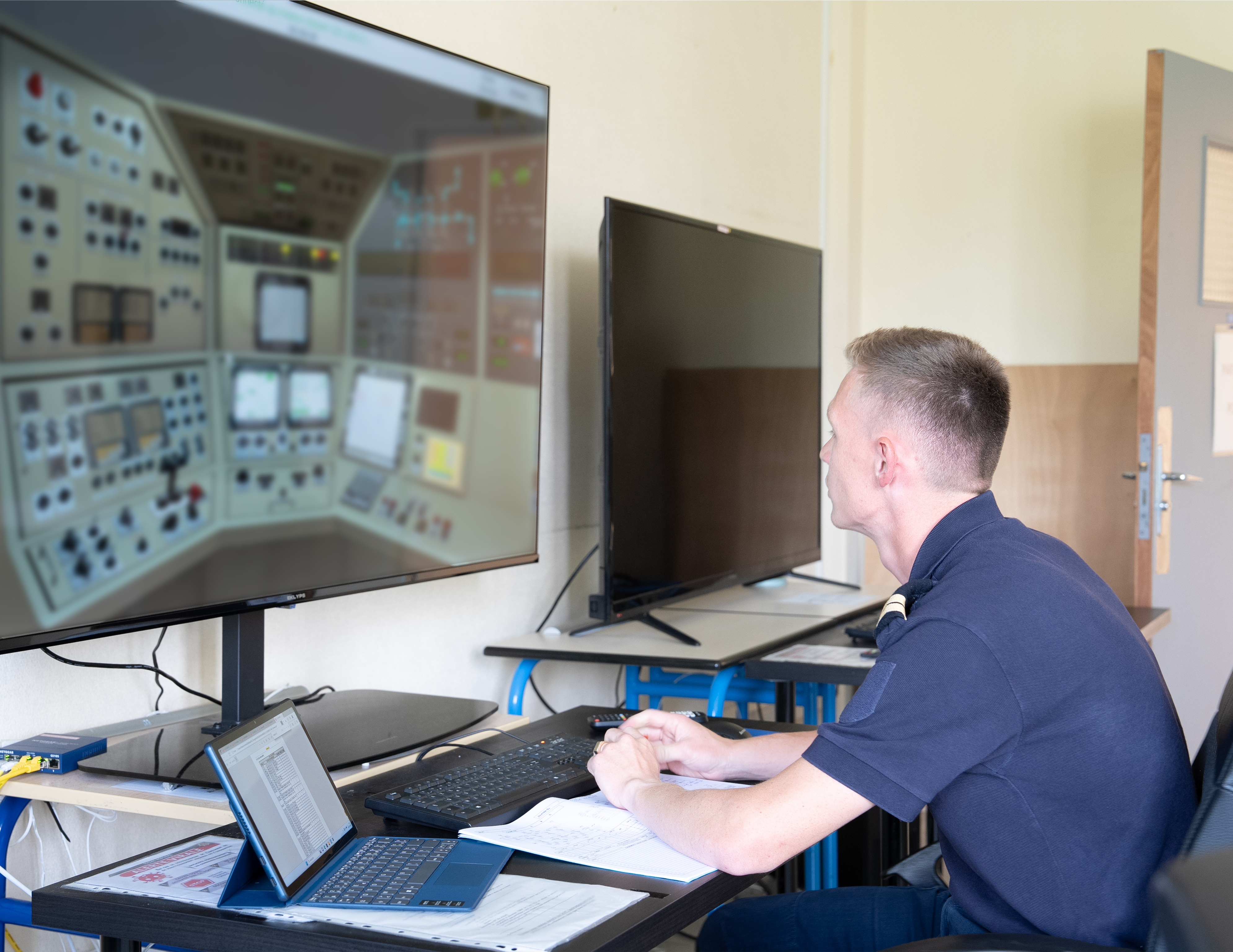
The training environment at Toulon is designed to mirror the claustrophobic and high-stakes reality of a submarine at sea. Trainees work with advanced simulators that replicate the acoustic and tactical conditions of the Atlantic and Mediterranean theaters. This specialized instruction ensures that when personnel transition to active duty, they are capable of maintaining the stealth and operational readiness required for extended deployments.
Integration of the Suffren-Class Fleet
The French Navy is currently in the midst of a generational shift as it replaces its aging Rubis-class submarines with the more capable Barracuda-type, or Suffren-class, vessels. This transition has forced the school to update its training modules significantly. According to maritime defense analysts, the new vessels require a higher degree of sensor fusion and automated navigation management than their predecessors.

“The challenge is no longer just navigation; it is managing a data-centric environment where the submarine acts as a node in a much larger, interconnected network of naval intelligence,” says a defense sector consultant familiar with current French maritime doctrine.
This operational shift has created a ripple effect for local contractors and specialized engineering firms in the Toulon area. As the navy updates its hardware, the need for private-sector maintenance, logistics, and specialized electronics support has surged. For businesses operating in this sector, connecting with industrial maintenance contractors and specialized logistics firms has become essential to meeting the navy’s stringent procurement standards.
Operational Challenges and Regional Economic Impact
The presence of the submarine school provides a massive, albeit specialized, economic anchor for the Provence-Alpes-Côte d’Azur region. However, the intensity of the training schedules and the high turnover of specialized personnel create unique administrative and legal hurdles for both the military and the civilian support sector. When personnel are relocated or when specialized equipment requires rapid procurement, local entities often face complex regulatory landscapes.
| Operational Area | Impact Factor | Requirement |
|---|---|---|
| Personnel Retention | High | Specialized Housing & Legal Support |
| Tech Upgrades | Critical | Vetted Defense Contractors |
| Regional Logistics | Moderate | Maritime Supply Chain Management |
Navigating the intersection of military procurement and regional municipal law often requires professional intervention. Businesses seeking to support the defense ecosystem frequently enlist commercial contract attorneys to ensure compliance with the French Code of Public Procurement. Without expert guidance, firms risk exclusion from the lucrative defense supply chain due to the rigid nature of government tenders.
The Future of Submarine Warfare Training
Looking toward 2027 and beyond, the school is expected to place an even heavier emphasis on cyber-warfare and autonomous drone integration. This evolution reflects a broader trend in European naval strategy, emphasizing that the human element remains the most critical, yet most volatile, component of the nuclear triad.

The shift toward “data-heavy” warfare means that the next generation of submariners must be as proficient in computer science as they are in traditional navigation. This evolution is not limited to the military; it is fundamentally altering the regional job market in Toulon. As the demand for tech-savvy personnel grows, local specialized recruitment agencies are playing a vital role in bridging the gap between civilian technical talent and the specific security clearance needs of the defense sector.
As the French Navy continues to refine its submarine capabilities, the reliance on high-quality, specialized training in Toulon will only grow. The school’s ability to adapt to these technological shifts will define France’s maritime security for decades. For organizations and professionals looking to engage with this evolving sector, the path forward requires a deep understanding of both the military’s technical requirements and the complex regulatory framework governing the defense industry. Engaging with vetted professional consultants remains the most reliable strategy for those seeking to contribute to the long-term stability and success of France’s underwater defense infrastructure.