The Quest to Bring Everest’s Green Boots Home
Mount Everest’s most infamous landmark, the frozen remains of a climber widely known as “Green Boots,” may finally be removed from the mountain after three decades, according to reports by the BBC. The body, trapped near a limestone cave on the mountain’s northeast ridge route at roughly 8,500 meters, has served for thirty years as a grim marker for expeditions navigating the upper reaches of the world’s highest peak.
History and Identity on the Northeast Ridge
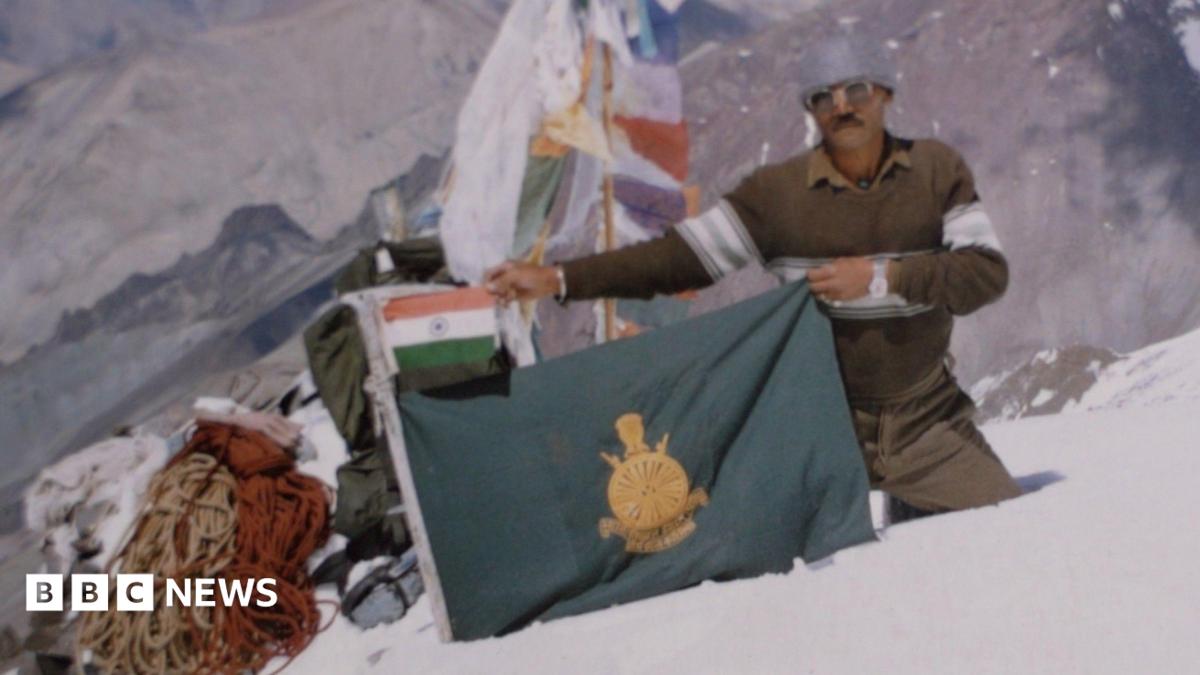
For decades, commercial climbing groups and independent mountaineers passing through the high-altitude death zone used the frozen figure to gauge their elevation and progress toward the summit. According to historical accounts and mountaineering records, the body is widely believed to belong to Tsewang Paljor, an Indian climber who perished during the disastrous 1996 Everest season. The remains earned their moniker from the bright green Koflach mountaineering boots still worn by the deceased climber.
Logistics of High-Altitude Recovery Operations
Extracting human remains from the death zone presents severe logistical and physical challenges for expedition teams. At altitudes exceeding 8,000 meters, low oxygen levels, extreme wind speeds, and freezing temperatures severely limit the amount of time any recovery crew can spend working safely. Past efforts to clear bodies from the upper slopes of Everest have frequently stalled due to the immense physical weight of frozen tissue and equipment, combined with the extreme danger posed to Sherpa climbing professionals tasked with the physical labor.
Nepalese authorities and climbing operators have faced increasing pressure in recent seasons to clear historical debris and bodies from the mountain as commercial traffic continues to rise. The potential operation to bring the climber home depends heavily on favorable weather windows and the availability of specialized high-altitude recovery specialists willing to undertake the hazardous assignment on the upper ridges.