
French Economy Minister Roland Lescure stated Friday that the recent rulings from the U.S. Supreme Court regarding tariffs imposed by the Trump administration demonstrate that those duties “were at the very least subject to debate.” Lescure’s comments, made during a radio interview with RTL, came as the U.S. Grapples with the legal challenges to the tariffs and their potential impact on international trade.
Lescure further suggested that the substantial U.S. Trade deficit last year indicates that tariffs “are perhaps not the magic formula we hoped for.” He indicated that the consequences of the court’s decisions will be closely monitored.
The minister addressed the question of potential refunds for the tariffs already collected, stating that the decision rests with the U.S. Administration and, specifically, the courts. He noted that the total amount of tariffs collected since their implementation totals “185 billion” dollars.
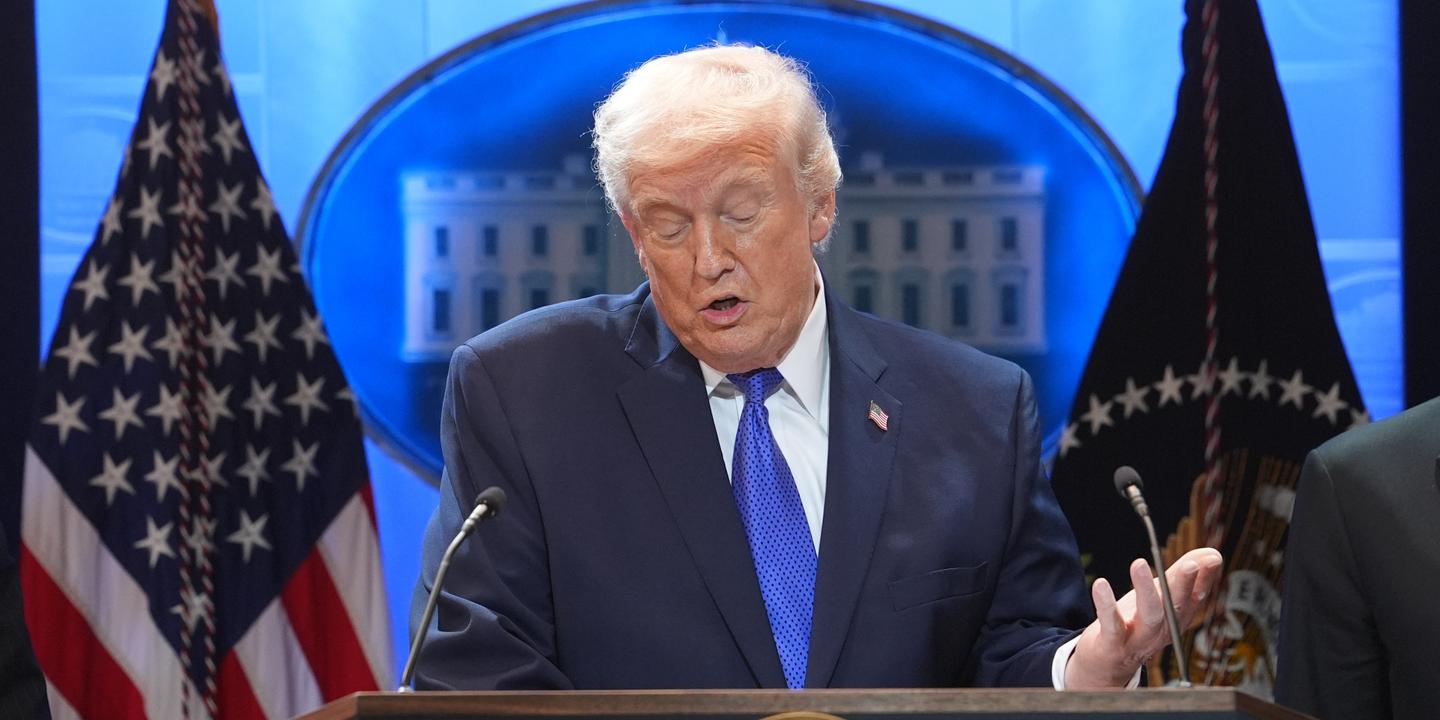
The remarks followed a press conference Friday in which former President Donald Trump announced that any refunding of tariffs would likely be tied up in legal battles for years to come. Trump also announced plans to impose a new, 10% global tariff, a move that could further escalate trade tensions.
According to data released by the U.S. Treasury Department earlier this month, the U.S. Deficit decreased during the last three months of 2025, partially due to increased revenue from customs duties. Between October and December, the deficit was 602 billion dollars, a 15% decrease, or 109 billion dollars improvement, compared to the previous year. Customs revenue surged from 23 billion dollars in the same period of 2024 to 94 billion dollars in 2025, a fourfold increase attributed to higher tariffs.
However, the legality of these tariffs is now under scrutiny by the Supreme Court, which is considering whether Trump had the authority to invoke the International Emergency Economic Powers Act (IEEPA) to impose tariffs without Congressional approval. During a November hearing, justices reportedly expressed skepticism about the use of the 1977 law for this purpose, as it does not explicitly mention tariffs as a tool for regulating imports during an economic emergency.
The U.S. Trade deficit remains significant, despite the increased tariff revenue. The Court’s upcoming decision will determine the future of these tariffs and their impact on the global economy.
