France October 1 Changes: Gas Prices, Medical Fees and Fuel Aid
Starting October 1, 2026, French households face changes as the reference sale price for natural gas climbs 6.3 percent and medical deductibles increase, according to reports from rtbf.be, 20 Minutes, La Provence, BFM Business, and info.gouv.fr.
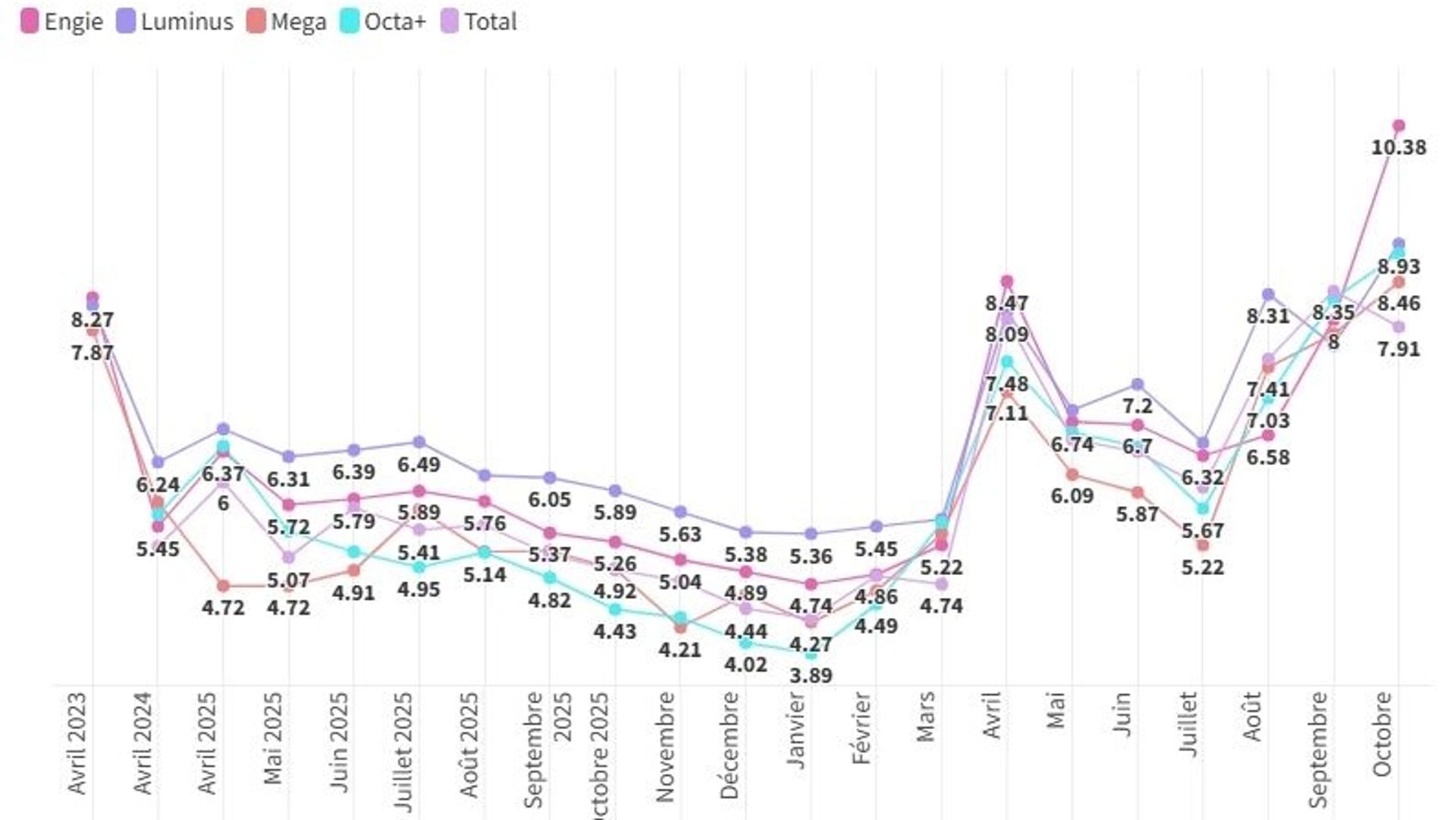
The adjustment in energy pricing pushes the Commission de régulation de l’énergie (CRE) reference price to 0.14558 euro per kilowattheure in October, up from 0.13474 euro in September, rtbf.be reported. This change stems from rising costs on wholesale European gas markets, where the TTF benchmark crossed nearly 80 euros per megawatt-hour in mid-September before hovering between 70 and 75 euros, as detailed by BFM Business. For the approximately 6 million residential consumers whose contracts index against this reference price, the CRE projects a 10 percent annual increase in bills compared to 2025. Conversely, 20 Minutes noted that roughly 40 percent of residential gas consumers who secured fixed-rate contracts are insulated from this immediate adjustment.
Medical Deductible Cap Rises to 140 Euros
Simultaneously, the statutory framework governing healthcare cost-sharing shifts on October 1, 2026. The annual cumulative cap for medical franchises and flat-rate participations rises from 100 to 140 euros per insured individual, according to info.gouv.fr. Administered by the Assurance maladie, these deductions apply to boxes of prescription drugs, paramedical procedures, and medical transport. La Provence noted that this ceiling increase affects all insured parties, including individuals receiving 100 percent coverage for long-term chronic conditions (ALD), though about 18 million individuals—including minors, pregnant women, and beneficiaries of the Complémentaire santé solidaire (C2S)—retain their exemptions.

Additional adjustments in the healthcare sector take effect on the same day. As reported by info.gouv.fr, masseurs-kinésithérapeutes join the roster of professionals authorized to perform “Mon bilan prévention,” a fully covered preventive health consultation available at key life milestones. The "Mon soutien psy" mental health support scheme implements generalized third-party payment, eliminating upfront costs for patients regarding the portion covered by public health insurance.
Fuel Subsidies and Fiscal Impact Across Sectors
To offset transportation expenses for long-distance commuters, the French government extended the “grand rouleur” fuel aid program through the final quarter of 2026, offering 100 euros per month for October, November, and December. La Provence reported that this assistance targets workers traveling at least 30 kilometers round-trip daily between home and work, with eligibility criteria expanded to encompass approximately 5.5 million individuals under income thresholds. Employers can also optionally deploy a tax-exempt corporate fuel bonus, per 20 Minutes.
These concurrent adjustments highlight differing fiscal outcomes for public finances. BFM Business calculated that while sliding fuel tax revenues have reduced state excise receipts by over 1.1 billion euros through September, the soaring price of natural gas could generate roughly 200 millions d’euros in supplementary tax revenue for the state over the course of 2026, largely driven by proportional value-added tax collection on higher consumer bills. Meanwhile, other retail adjustments include the introduction of state-reimbursed reusable menstrual protections for women under 26 and low-income beneficiaries via pharmacies, as outlined by info.gouv.fr.
Fuel Tax Revenues Decrease by 407 Million Euros
According to figures communicated by Public Accounts Minister David Amiel, fuel tax revenues had on the contrary decreased by 407 million euros by September 20, 2026, compared to the same period in 2025. In detail, price increases generated 710 million euros in additional VAT, but this gain was more than offset by a 1.117 billion euro drop in excise receipts. By contrast, unlike the excise tax on gas, which is calculated based on consumed volumes, the value-added tax is proportional to the bill amount. To tackle period poverty, certain cups and period underwear are reimbursed by the Assurance maladie starting October 1. This scheme enables beneficiaries to receive a preventive medical consultation fully covered by the Assurance maladie at key life stages between 18 and 25 years, 45 and 50 years, 60 and 65 years, and 70 and 75 years. The government announced on September 22, 2026, the extension of support mechanisms for professionals and the French public into the fourth quarter of 2026. The increase applies solely to the supply component, meaning it does not imply that every individual bill will rise by 6.3 percent.

Household budgeting strategies will depend heavily on whether consumers rely on fixed-rate or indexed energy pricing as winter heating demand approaches, while final consumption levels and subsequent weather patterns remain variables that could alter projected fiscal surpluses.