France Blames Hezbollah for French Peacekeeper’s Death in Lebanon
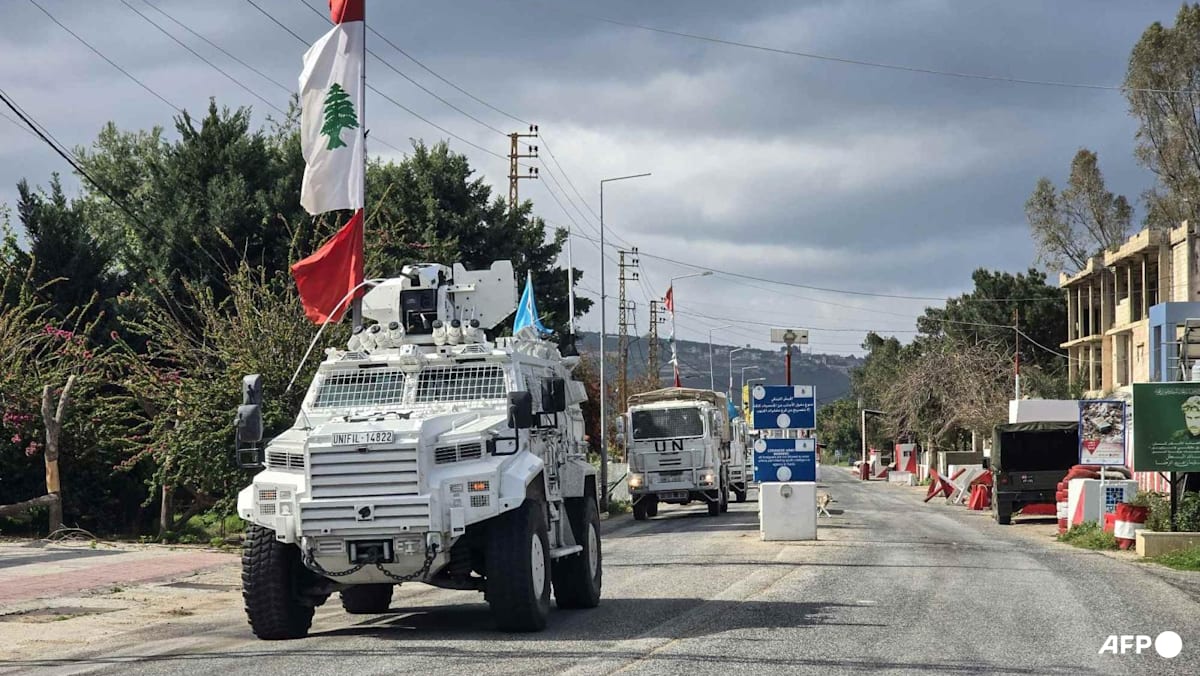
On April 18, 2026, French President Emmanuel Macron officially accused Hezbollah of carrying out the April 12 attack in southern Lebanon that killed French peacekeeper Sergeant Adrien Moreau, a member of the United Nations Interim Force in Lebanon (UNIFIL), marking the first direct attribution of lethal force against French personnel by the Iran-backed group since 2006 and raising urgent questions about the safety of international peacekeepers amid escalating regional tensions.
The Killing of Sergeant Moreau and the Erosion of UNIFIL’s Mandate
Sergeant Moreau, 29, was killed when an improvised explosive device detonated near his patrol vehicle in the vicinity of Yaroun, a village in southern Lebanon approximately 15 kilometers north of the Israeli border. The attack also wounded two other French soldiers. UNIFIL, established in 1978 and expanded after the 2006 Israel-Hezbollah war, currently deploys about 10,000 peacekeepers from 50 nations to monitor the Blue Line—the UN-demarcated boundary between Lebanon and Israel—and prevent hostilities. France contributes roughly 650 personnel to UNIFIL, making it one of the largest European contributors. The incident represents the first French fatality in UNIFIL since 2014 and underscores a growing pattern of asymmetric threats targeting peacekeepers, with over 300 UNIFIL personnel injured in attacks since 2020 according to UN internal reports reviewed by the International Peace Institute.
The French government’s accusation marks a significant shift from its traditionally cautious public stance toward Hezbollah, which it designated as a terrorist organization in 2019 but has historically engaged with through backchannel diplomacy to secure prisoner exchanges and humanitarian access. Macron’s statement, delivered during a televised address from the Élysée Palace, framed the killing as “an act of war against France and the international community,” and pledged to pursue accountability through “all available diplomatic and legal channels.”
Historical Context: Hezbollah’s Evolving Tactics and Regional Realignments
Hezbollah’s use of IEDs against international forces is not new; the group pioneered such tactics against Israeli and French forces during the 1980s Lebanese Civil War, including the 1983 Beirut barracks bombing that killed 241 U.S. And 58 French servicemen. However, recent years have seen a strategic shift: rather than large-scale assaults, Hezbollah has increasingly employed low-visibility, deniable attacks—such as sniper fire, drone surveillance, and roadside bombs—to pressure Israel and international forces without triggering full-scale war. This approach intensified after the October 2023 Hamas-led attack on Israel, which prompted Hezbollah to launch daily rocket and anti-tank missile strikes into northern Israel, prompting Israeli retaliatory strikes deep into Lebanese territory.
Analysts at the Carnegie Middle East Center note that Hezbollah’s current calculus appears to prioritize maintaining deterrence against Israel while avoiding actions that could provoke a decisive Israeli ground invasion of southern Lebanon—a scenario that would risk significant damage to the group’s infrastructure and popular support. The killing of Sergeant Moreau may represent either a rogue element within Hezbollah’s ranks or a calculated signal to France and other UN contributors that their presence is perceived as complicit in Israeli operations.
Local Impact: Southern Lebanon’s Fragile Economy and Municipal Strain
The village of Yaroun, where the attack occurred, lies within Lebanon’s Nabatieh Governorate, one of the country’s most economically disadvantaged regions. Over 60% of households in Nabatieh live below the poverty line, and municipal services have deteriorated significantly since Lebanon’s 2019 financial collapse. The local council in Yaroun, which serves a population of approximately 8,000, lacks the resources to conduct independent investigations into security incidents and relies entirely on Lebanese Army and UNIFIL patrols for safety. Following the attack, municipal officials reported a sharp decline in civilian movement along Route 600, the primary road connecting Yaroun to larger towns like Bint Jbeil, disrupting access to markets, clinics, and schools.
“We are not militants. We are farmers, teachers, and shopkeepers trying to survive. When peacekeepers are targeted, it makes everyone afraid to depart their homes—even to buy bread or take children to school.”
The economic ripple effects extend beyond immediate security concerns. Agricultural livelihoods—particularly olive and tobacco farming, which employ nearly 40% of Yaroun’s workforce—have suffered as farmers avoid fields near the Blue Line due to fear of stray fire or unexploded ordnance. The Lebanese Ministry of Agriculture estimates that border-adjacent villages in southern Lebanon have seen a 30% decline in crop yields since October 2023, exacerbating food insecurity in a country where over 50% of the population requires humanitarian aid.
Directory Bridge: Who Addresses the Problems Created by This Event?
In the aftermath of such attacks, communities in southern Lebanon face compounded challenges: deteriorating public safety, disrupted access to essential services, and heightened economic vulnerability. Municipal leaders like Mayor Haddad require support in risk assessment, emergency planning, and infrastructure resilience—needs met by specialized emergency restoration contractors who can reinforce vulnerable roads, install blast-resistant barriers, and restore damaged utilities following security incidents. Simultaneously, farmers and modest business owners seeking to recover losses or file claims for damages against state or international entities often require guidance from international humanitarian law attorneys versed in UN status-of-forces agreements and compensation mechanisms under the Convention on the Safety of United Nations and Associated Personnel. Finally, as distrust in security arrangements grows, local civil society groups benefit from partnerships with community reconciliation facilitators who mediate between residents, peacekeeping forces, and municipal authorities to rebuild trust and improve communication channels—critical steps in preventing further escalation.
The Editorial Keeper: A Long-Term Test for International Peacekeeping
The killing of Sergeant Moreau is not merely a tragic loss; it is a stress test for the viability of UNIFIL’s mission in an era where non-state actors operate with increasing sophistication and impunity. If France and other contributors respond by withdrawing or reducing their presence, it could embolden Hezbollah and undermine a decades-old framework designed to prevent border conflict from reigniting into full-scale war. Conversely, a doubling down on military force without addressing local grievances risks alienating the very populations UNIFIL is meant to protect. The path forward demands not just stronger rules of engagement, but smarter investment in local resilience—where the expertise of engineers, legal advocates, and community builders becomes as vital as the peacekeepers themselves. For those seeking to understand or support the professionals working at this intersection of security and humanity, the World Today News Directory remains a curated gateway to verified experts equipped to navigate these complex, enduring challenges.