
Unexpected Signs of Aging: What Your Body Reveals
Table of Contents
New research reveals that the aging process isn’t always about wrinkles and gray hair. Subtle, often overlooked changes can signal the passage of time, impacting everything from your dental health to your voice and stature. Understanding these shifts can empower you to proactively address them and maintain a vibrant life.
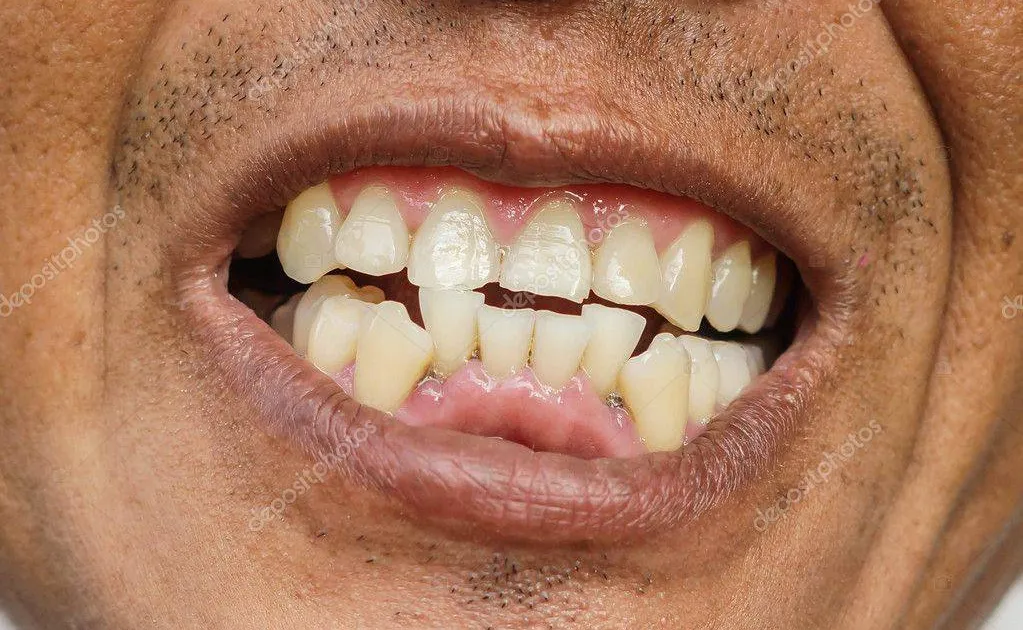
Teeth Can Shift with Age
It’s a common observation: teeth that were once perfectly aligned begin to subtly shift. Dental experts now confirm this is a natural phenomenon, especially as we age. This ”shifting and drifting” is more frequently observed in lower teeth,though it can affect both upper and lower arches.
While not everyone experiences this, common contributing factors include tooth loss, gum disease which can destabilize teeth according to the Centers for Disease Control and Prevention, and habits like teeth grinding. The wear from grinding can exacerbate these movements as detailed in research.
did You Know? Maintaining regular dental checkups is crucial for monitoring and addressing any shifts in tooth alignment.
Changes in Vocal quality
The voice,a defining characteristic of identity,also undergoes transformation with age. Dr. Ted Mau, director of the voice center at UT Southwestern medical Center, explains that vocal cords become thinner and less flexible over time, possibly impacting their ability to close properly.
This can result in a weaker or hoarser voice. Men may notice their voice becoming higher pitched, while hormonal shifts in women can lead to a lowering of vocal tone as demonstrated in studies. If vocal changes considerably impact well-being or are accompanied by prolonged hoarseness, consulting an otolaryngologist (ENT doctor) is recommended.
Gradual Height Loss
Height isn’t static; most individuals begin to shrink around age 40, and the process continues throughout life. Research indicates that by age 70, men typically lose an average of 2.5 centimeters (almost one inch) in height, while women lose nearly 5 centimeters (almost two inches). After age 80, an additional 2.5 centimeters of height loss is common.
Ardeshir Hashmi, head of the Center for Geriatric Medicine at the Cleveland Clinic, attributes this to the loss of bone and cartilage in the spinal vertebrae. Weakening abdominal and back muscles, coupled with flattening of the foot arches, also contribute to this gradual reduction in stature.
pro Tip: Maintaining a strong core and good posture can help mitigate some age-related height loss.
Migraine Frequency may Decrease
Interestingly, migraines frequently enough become less frequent and severe with age, particularly for women. Seniha Nur Ozudogru, a neurologist at Penn Medicine, notes that many women report fewer migraine attacks, with reduced intensity and sometimes even complete remission.
Furthermore, migraine symptoms may evolve, with some women experiencing migraines without the typical accompanying headache, aura, or nausea. In many cases, migraines become more of a nuisance than a debilitating condition according to research.
| Age-Related Change | Typical onset | Potential Causes |
|---|---|---|
| Tooth shifting | Anytime after adulthood | Tooth loss, gum disease, teeth grinding |
| Voice Changes | Middle age and beyond | Thinning of vocal cords, hormonal shifts |
| Height Loss | Around age 40 | Loss of spinal bone and cartilage, muscle weakness |
| Migraine Reduction | later adulthood | Hormonal changes, neurological shifts |
Are you surprised by any of these age-related changes? What steps are you taking to embrace healthy aging?
The global population is aging at an unprecedented rate. According to the World Health Organization, the number of people aged 60 and older is projected to increase from 1.1 billion in 2023 to 1.4 billion by 2030 WHO data shows. This demographic shift presents both challenges and opportunities for healthcare systems and societies worldwide. Focusing on preventative care, lifestyle modifications, and early detection of age-related changes will be crucial for promoting healthy aging and improving quality of life for older adults.
Frequently Asked Questions About Aging
- What causes teeth to shift as you get older? Tooth shifting can be caused by tooth loss, gum disease, and habits like teeth grinding.
- Is it normal for your voice to change with age? Yes, changes in voice quality are common due to thinning of the vocal cords and hormonal shifts.
- Why do people get shorter as they age? Height loss is primarily due to compression of the spinal vertebrae and weakening of supporting muscles.
- Can migraines really improve with age? For many women, migraine frequency and severity tend to decrease with age.
- What can I do to maintain my height as I age? Maintaining a strong core, good posture, and a healthy weight can help minimize height loss.
We hope this article has provided valuable insights into the often-subtle ways our bodies change as we age. Share this information with your friends and family, and let’s start a conversation about embracing the journey of aging with knowledge and proactive care! Don’t forget to subscribe to our newsletter for more health and wellness updates.
