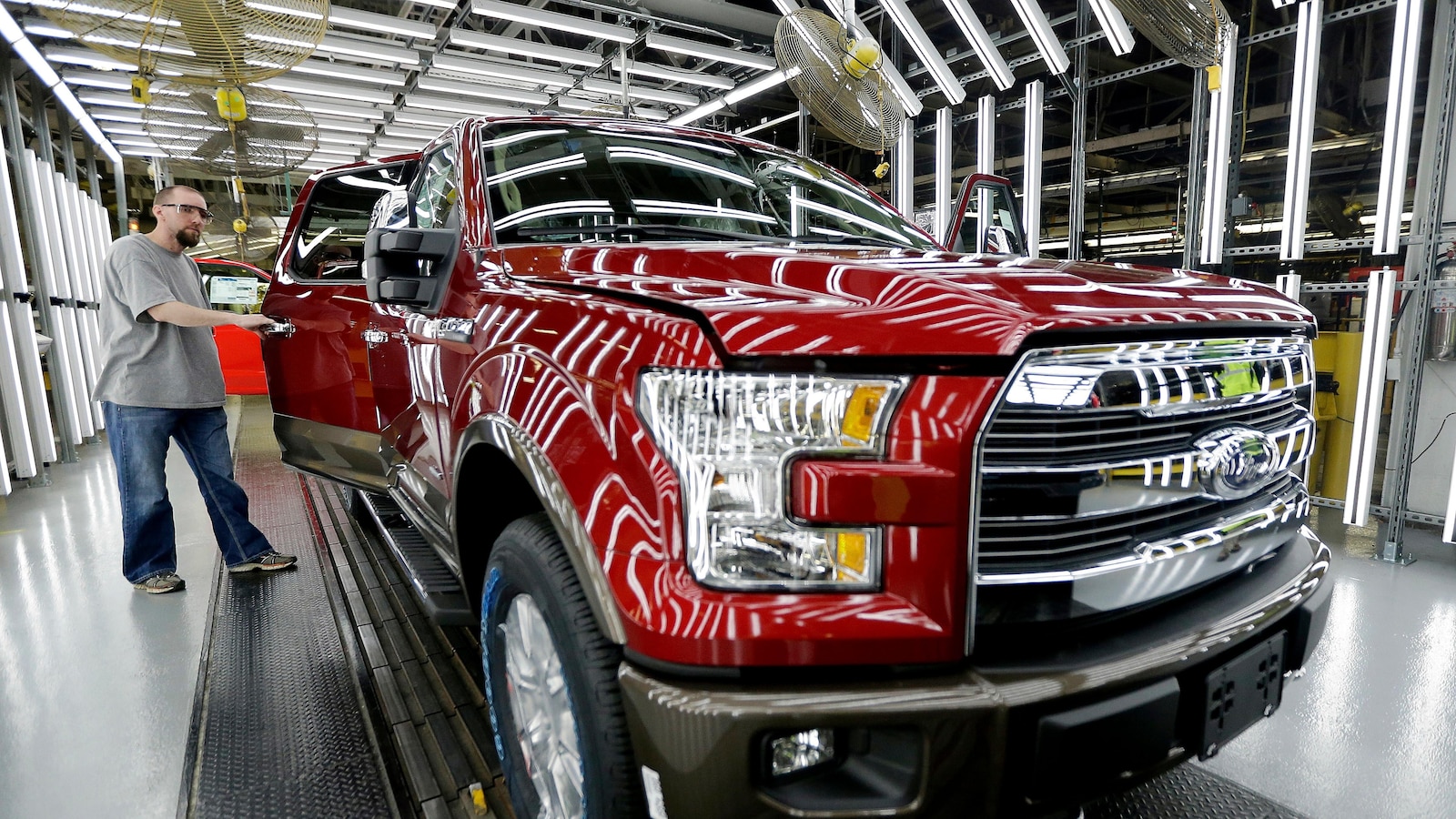
Ford Recalls 1.4 Million F-150 Pickup Trucks Over Gearshift Issue
Ford Motor Company has recalled approximately 1.4 million F-150 pickup trucks globally to address a gearshift mechanism defect that may cause unintended downshifting, posing significant safety risks and potential financial exposure as the automaker navigates rising warranty costs and supply chain pressures ahead of its Q2 2026 earnings report.
Financial Implications Mount as Warranty Reserves Face Pressure
The recall, affecting model years 2021 through 2023, stems from a faulty electronic shift control module that can erroneously command a downshift to first gear while driving at higher speeds, increasing crash risk. According to Ford’s internal safety report filed with the National Highway Traffic Safety Administration (NHTSA) on April 5, 2026, the defect has been linked to 27 reported incidents, including three minor collisions. While no fatalities have been confirmed, the scale of the recall threatens to strain Ford’s Q2 warranty accrual, which stood at $3.8 billion as of March 31, 2026, per its 10-Q filing. Analysts at JPMorgan estimate the repair campaign could cost between $420 million and $560 million, assuming an average $300-$400 per vehicle in parts and labor, not accounting for potential reputational damage or increased scrutiny from regulators.


This comes at a sensitive juncture for Ford’s EV transition strategy, where margins on internal combustion engine (ICE) vehicles like the F-150 remain critical to funding its $50 billion EV investment plan through 2026. The F-150, which generated $42 billion in revenue in 2025 and maintains an estimated 28% EBITDA margin, represents nearly 35% of Ford’s global automotive profit. Any erosion in consumer confidence or unexpected repair volumes could pressure near-term cash flow, particularly as the company faces headwinds from raw material volatility and ongoing semiconductor supply constraints.
Supply Chain and Legal Exposure Amplify Operational Risk
Beyond direct repair costs, the recall exposes Ford to cascading supply chain disruptions. The electronic shift module in question is sourced from a Tier-2 supplier in Mexico, and replacement parts may face allocation delays amid elevated demand for automotive semiconductors and actuators. This dynamic increases the likelihood of extended repair timelines, which could exacerbate customer dissatisfaction and elevate the risk of class-action litigation. In a recent statement, Ford’s Chief Legal Officer, Maria Thompson, emphasized the company’s commitment to resolving the issue swiftly: “We are mobilizing our global service network and working closely with suppliers to ensure parts availability and minimize downtime for owners.” Her remarks were made during a investor briefing on April 12, 2026, archived on Ford’s investor relations portal.
Legal experts note that while Ford has moved quickly to initiate the recall — a factor that may mitigate punitive damages — the automaker remains vulnerable to claims under state lemon laws and potential federal oversight if patterns of similar defects emerge across other platforms. Firms specializing in automotive product liability and regulatory defense are likely to see increased engagement from both plaintiffs’ counsel and corporate respondents preparing for potential discovery phases. For corporations navigating such exposures, retaining counsel with deep expertise in automotive product liability litigation becomes a critical risk mitigation strategy.
Strategic Response Tests Ford’s Operational Resilience
Ford’s ability to manage this recall efficiently will serve as a bellwether for its operational maturity amid broader transformation efforts. The company has launched a multi-channel owner notification campaign, utilizing direct mail, email, and in-vehicle alerts via FordPass, aiming for 95% completion within 180 days. Dealerships are being instructed to prioritize the repair during routine service visits to minimize customer inconvenience. Early data from pilot regions shows a 40% completion rate within the first three weeks, suggesting the campaign is gaining traction.
Nevertheless, the incident underscores the fragility of complex electronic systems in modern vehicles, even in legacy models. As software-defined features proliferate across ICE and EV platforms alike, the need for robust over-the-air (OTA) update capabilities and real-time telemetry monitoring grows more urgent. This dynamic creates opening for providers of automotive software diagnostics and OTA update platforms to partner with OEMs seeking to enhance post-sale quality control and reduce reliance on physical recalls.
the recall highlights the importance of proactive supplier quality management. With Tier-2 and Tier-3 suppliers accounting for an estimated 60% of defect-related recalls in North America, according to a 2025 McKinsey & Company analysis, automakers are under pressure to deepen visibility into sub-tier networks. Firms offering supply chain risk monitoring and supplier compliance analytics are positioned to support OEMs in building more resilient, transparent value chains — a necessity as regulatory expectations around product safety continue to tighten.
As Ford works to close this chapter, the episode serves as a reminder that even dominant market players remain vulnerable to hidden flaws in complex systems. For investors and industry observers, the true test will not be the speed of the repair, but whether Ford can use this moment to strengthen its quality governance — turning a costly setback into a catalyst for long-term operational discipline.