
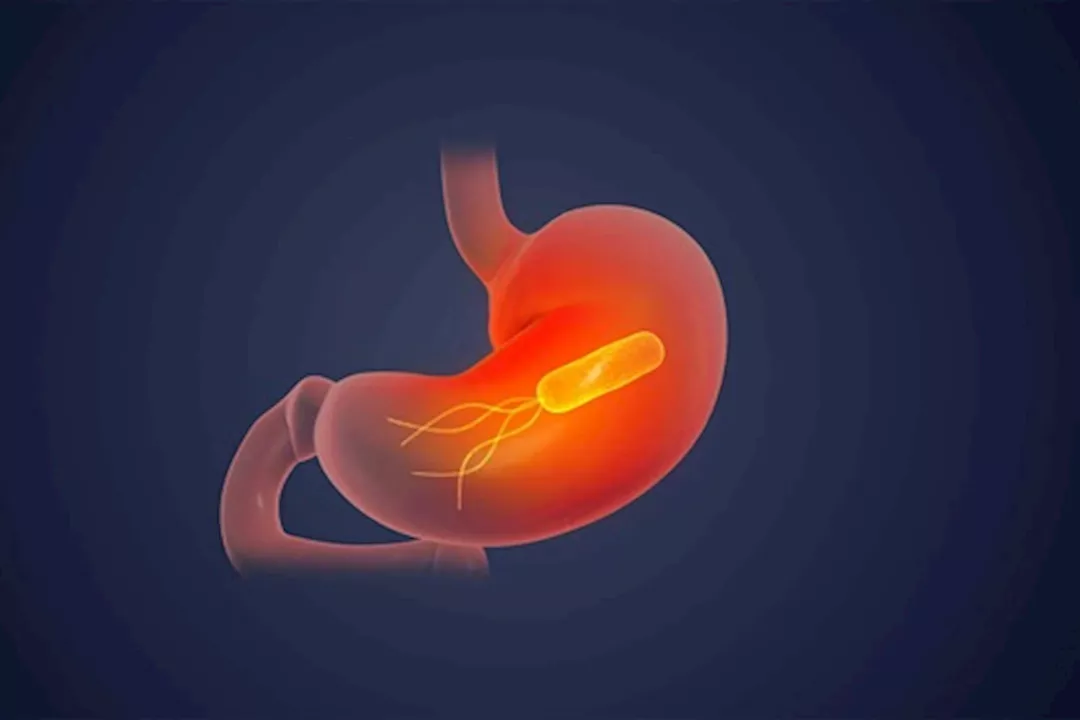
Cairo – A growing body of evidence suggests specific dietary choices can significantly aid in combating Helicobacter pylori, commonly known as H. Pylori, a bacterium that infects the stomach lining and can lead to ulcers and, in some cases, gastric cancer. According to Dr. Salah Diab, a specialist in therapeutic nutrition, incorporating certain foods into one’s diet can facilitate eradicate the bacteria and prevent its return.
Broccoli has emerged as a key ally in the fight against H. Pylori, due to its high concentration of sulforaphane, a compound with notable antibacterial properties. Dr. Diab explained that sulforaphane works by inhibiting the bacteria’s ability to adhere to the stomach wall, effectively disrupting its colonization.
Yogurt, particularly the plain variety, similarly demonstrates therapeutic benefits. Its rich probiotic content helps restore a healthy balance of bacteria in the gut, weakening H. Pylori’s hold on the digestive system. Probiotics contribute to a more favorable gut environment, making it difficult for the bacterium to thrive.
Olive oil, especially extra virgin olive oil, is another crucial component of a diet aimed at combating H. Pylori. The oil’s high levels of antibacterial compounds, combined with its anti-inflammatory properties, can soothe irritation and protect the stomach lining.
Despite the effectiveness of these foods in supporting H. Pylori eradication, Dr. Diab emphasizes that dietary changes alone are insufficient for complete elimination of the bacteria. “These foods enhance the efficacy of medical treatment, but they are not a substitute for prescribed medication,” he stated. Patients diagnosed with H. Pylori must adhere to the treatment plan outlined by their physician, while simultaneously adopting a healthy diet rich in the aforementioned foods.
H. Pylori is one of the most prevalent bacterial infections globally, affecting the stomach lining and potentially leading to serious health complications if left untreated. Symptoms are often mild or absent, but can include abdominal pain, bloating, nausea, and loss of appetite. Transmission occurs through contact with saliva, contaminated food or water, and close personal contact.
