
Harmful Algae Blooms: USF project Turns Environmental Data into Music
Table of Contents
A groundbreaking project at the University of South Florida (USF) is translating complex environmental data into compelling musical compositions, fostering public engagement and awareness. The CRESCENDO (Communicating Research Expansively through Sonification and Community-Engaged Neuroaesthetic Data Literacy Opportunities) project, initially focused on the economic impacts of harmful algae blooms, now addresses the decline of florida’s oyster populations through innovative sonification techniques.
CRESCENDO: Bridging Science and Art
Spearheaded by USF faculty, CRESCENDO unites experts from diverse fields, including anthropology, music, oceanography, STEM education, art, journalism, hospitality, and library sciences. The project explores how individuals interpret data across various cultural contexts, using music as a medium to convey scientific findings to a broader audience.
Did You Know? Harmful algal blooms (HABs) can devastate marine ecosystems, disrupt seafood supplies, and pose health risks to humans and animals. HABs cost the U.S. economy millions of dollars each year.
From Algae Blooms to Oyster Decline
The project’s genesis stemmed from research highlighting the substantial economic toll of harmful algae blooms on Florida’s tourism industry. A study co-led by Dr. O’Leary estimated losses of $2.7 billion between 2017 and 2019 due to these blooms.Recognizing the difficulty non-experts faced in understanding the data, O’Leary sought creative ways to communicate these findings.
Inspired by USF’s band concerts, O’Leary collaborated with Matt McCutchen, Director of Bands in the College of Design, Art and Performance, to transform the data into music. Student composers created pieces titled “Sanctuary” and “Cardinal Flow,” performed by the university’s Symphonic Band & Wind Ensemble in February 2024.
Building on this success,CRESCENDO expanded its focus to address the decline of Florida’s oyster populations,a critical issue impacting the state’s ecosystem and economy. Challenges facing oysters include overharvesting,habitat loss,reduced freshwater flow,and environmental stressors like red tide and PFAS “forever chemicals.”
“Oysters Ain’t Safe”: A Musical Call to Action
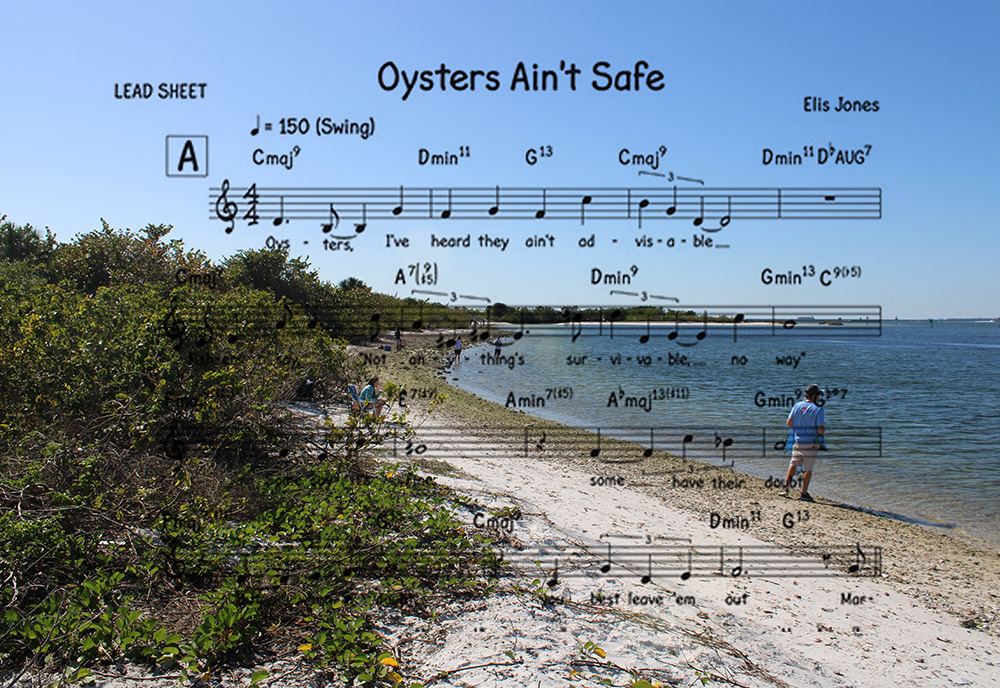
Using four decades of oyster population data from the Florida Fish and Wildlife Conservation Commission, along with survey results from the USF-led Tampa Bay Surveillance Project, a student composer developed a sonification titled “Oysters ain’t Safe.” This jazz piece integrates themes of people, planet, and profit, reflecting a balanced approach to sustainability.The composition incorporates public survey responses, highlighting both reluctance to consume oysters and the species’ vulnerability to multiple threats.
Pro Tip: Sonification is the process of transforming data into sound, allowing listeners to perceive patterns and trends that might be missed in visual representations.
Recognition and Future Directions
CRESCENDO’s innovative approach to public engagement has garnered national recognition. In June, O’Leary received the kate browne Creativity in Research Award from the Society for Economic Anthropology (SEA), celebrating creative and engaged economic anthropology.
The project extends beyond sonification, encompassing sheet music, student-created artwork, a music video, and an augmented reality experience. The next USF concert,featuring the oyster-themed music,is scheduled for January 2026.
“I thought CRESCENDO might be a little too far outside the box,but I had a strong idea and an remarkable team of USF faculty and students,” O’Leary said. “As an interdisciplinary researcher, you sometimes wonder if you’ve gone too far from your designated field, so seeing the project come together and be recognized internationally and also embraced by my field was really gratifying.”
Key Metrics of Harmful Algae blooms
| Metric | Value | Source |
|---|---|---|
| Estimated Tourism Losses (2017-2019) | $2.7 Billion | USF Research Team |
| Annual U.S. Economic Impact of HABs | $82 Million | NOAA |
| States Affected by HABs | All 50 | CDC |
What other creative ways can scientific data be communicated to the public? How can communities become more involved in environmental research and conservation efforts?
Evergreen Insights: Understanding Harmful Algae Blooms
Harmful algae blooms (HABs) are a recurring environmental issue, exacerbated by factors like nutrient pollution, climate change, and altered water flows. These blooms can produce toxins harmful to humans, marine life, and ecosystems. Monitoring and mitigation efforts are crucial to minimizing their impact. The economic consequences of HABs extend beyond tourism, affecting fisheries, property values, and public health costs.
Frequently Asked Questions About Harmful Algae Blooms
- What are harmful algae blooms?
- Harmful algae blooms (HABs) are rapid growths of algae that can produce toxins or cause other harmful effects, impacting aquatic ecosystems and human health.
- How do harmful algae blooms affect the economy?
- Harmful algae blooms can lead to notable economic losses in tourism, fisheries, and recreational activities due to beach closures, seafood contamination, and decreased property values.
- What causes harmful algae blooms?
- Harmful algae blooms are often caused by nutrient pollution (e.g., from agricultural runoff), climate change, altered water flows, and other environmental factors that promote algae growth.
- What can be done to prevent harmful algae blooms?
- Preventing harmful algae blooms involves reducing nutrient pollution, managing water resources effectively, monitoring bloom occurrences, and implementing mitigation strategies such as clay dispersal or aeration.
- How does the CRESCENDO project address harmful algae blooms?
- The CRESCENDO project uses sonification to translate complex data about harmful algae blooms into music, making the data more accessible and engaging for the public, thereby raising awareness and promoting informed action.
- What is sonification, and how is it used in the CRESCENDO project?
- Sonification is the process of converting data into sound. In the CRESCENDO project, environmental data related to harmful algae blooms and oyster populations is transformed into musical compositions, allowing listeners to perceive patterns and trends in the data.
Disclaimer: This article provides general information about harmful algae blooms and related research. It does not constitute environmental or economic advice. Consult with qualified professionals for specific guidance.
Share this innovative story and join the conversation! What other environmental issues could benefit from creative communication approaches?
