
Air Traffic Chaos Grips UK After Control System Failure
Thousands Stranded as Radar Glitch Halts Major Airports
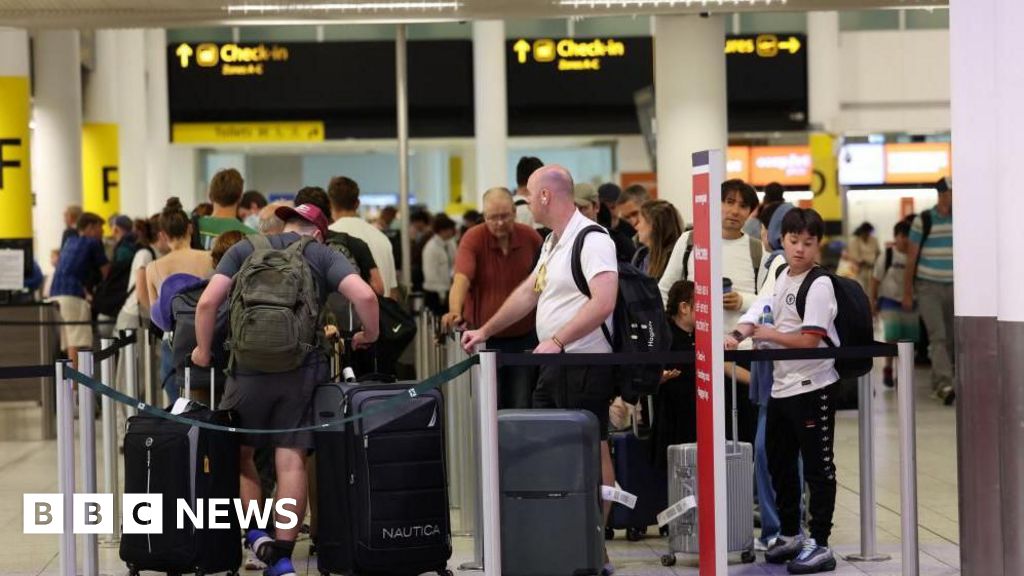
Air travel across the United Kingdom faced severe disruption following a significant air traffic control system failure. The technical glitch, though brief, triggered widespread flight cancellations and lengthy delays, stranding thousands of passengers at key airports nationwide.
System Outage Triggers Mass Delays
A “radar-related” technical issue at the Swanwick air traffic control centre in Hampshire brought major UK airports to a standstill for approximately 20 minutes. This brief outage, which NATS attributed to a fault quickly resolved by switching to a backup system, resulted in a substantial backlog of flights. Thousands of aircraft were grounded at airports including Heathrow, Stansted, Manchester, and Edinburgh. As of 22:00 BST, over 150 flights to and from the UK had been cancelled, with many more experiencing significant delays.
The government has stated it is working closely with air traffic control firm NATS to understand the cause of the failure. This incident marks the second major outage for NATS in two years, following a significant disruption on the summer bank holiday weekend in August 2023, which impacted over 700,000 travelers.
Airline and Passenger Frustration Mounts
Airlines have been working to manage the fallout, with British Airways apologizing to customers for the inconvenience. “While this is entirely outside of our control, we want to apologise to our customers for any inconvenience and assure them that our teams are working hard to get their journeys back on track as quickly as possible,” the airline stated. Budget carrier EasyJet advised passengers to check flight status updates and confirmed it would contact affected customers directly.
A Heathrow spokesperson urged passengers to verify their flight status with their airline before traveling, adding, “We apologise for any inconvenience caused.” Birmingham and Manchester airports anticipate schedules returning to normal on Thursday, with no further expected impact from the outage.
Passenger accounts highlight the confusion and frustration. Asha, 18, from Manchester, described her first Interrailing holiday going “wrong” after her EasyJet flight to Amsterdam took off only to return to the city’s airport after 50 minutes. “I was hoping for some free food,” she commented on the disruption.
Another passenger, Robin Ilott, 62, from Waterlooville, Hampshire, experienced a two-hour and 20-minute delay at Heathrow. He acknowledged the importance of safety, stating, “It’s better safe than sorry, you don’t want to get up there and find that there’s planes everywhere.” Meanwhile, John Carr, 35, from Stourbridge, faced a cancelled flight to Norway for his brother’s wedding, calling the situation “quite stressful.” His friend, James Hedges, also from Stourbridge, described the lack of communication as “rubbish.”
Calls for Investigation and Accountability
Liberal Democrat leader Ed Davey has called for a government investigation into the “utterly unacceptable” incident, emphasizing the impact on “thousands of families preparing to go on a well earned break.” Ryanair’s chief operating officer, Neal McMahon, criticized the “yet another” air traffic control system failure, demanding the resignation of NATS chief executive Martin Rolfe over the disruption to passenger plans.
Flight data indicates that 84 departures and 71 arrivals were cancelled across UK airports, representing 3% of all departures and 2% of all arrivals. London Heathrow reported the highest number of cancellations, with 29 departures and 17 arrivals affected. While Cirium does not attribute causes for cancellations, a portion of these are understood to be directly linked to the NATS system failure. According to the International Air Transport Association (IATA), operational disruptions like this can have a ripple effect, costing the global aviation industry billions annually in lost revenue and passenger compensation (IATA, 2024).
