
Flesh-Eating Bacteria Deaths Linked to Oysters and Seawater in US
An eighth person has died in the United States this year from a Vibrio vulnificus infection, a severe form of vibriosis linked to the consumption of raw oysters and exposure to contaminated seawater. The latest fatality occurred in Bay County, Florida, according to data from the state’s health department. This brings the death toll to three in Florida and five in Louisiana.
- Primary Risk: Consumption of raw shellfish or seawater exposure via open wounds, particularly for immunocompromised individuals.
- Fatality Rate: Approximately one in five people infected with severe vibriosis die from the condition.
- High-Risk Groups: Patients with liver disease, diabetes, cancer, HIV, or those taking immune-suppressing medications.
The Pathogenesis of Vibrio Vulnificus and Gulf Coast Clusters
The current outbreak is concentrated in the Gulf Coast states, where nearly 30 cases have been confirmed this year. Louisiana has reported nine cases, exceeding its annual average of seven cases and one death, according to the Louisiana Department of Health. All nine of Louisiana’s cases this year involved patients with underlying health conditions whose wounds were exposed to seawater.
Vibrio vulnificus is a bacterium that thrives in warm, brackish coastal waters. Its prevalence increases between May and October as ocean temperatures rise. The pathogenesis typically follows two routes: ingestion of raw shellfish—most commonly oysters—or direct inoculation of the skin through an open wound. When the bacteria enter the bloodstream of a susceptible host, they can cause necrotizing fasciitis, a rapid destruction of soft tissue and fascia, and septic shock.
For those experiencing rapid-onset skin lesions or systemic fever after coastal exposure, immediate clinical intervention is required.
Clinical Indicators and High-Risk Demographics
While healthy individuals may experience mild gastrointestinal distress—including vomiting, diarrhea, fever, and chills—the morbidity increases sharply for specific populations. The Louisiana Department of Health identifies individuals with cancer, liver disease, diabetes, HIV, or thalassemia as being at significantly higher risk for severe complications.
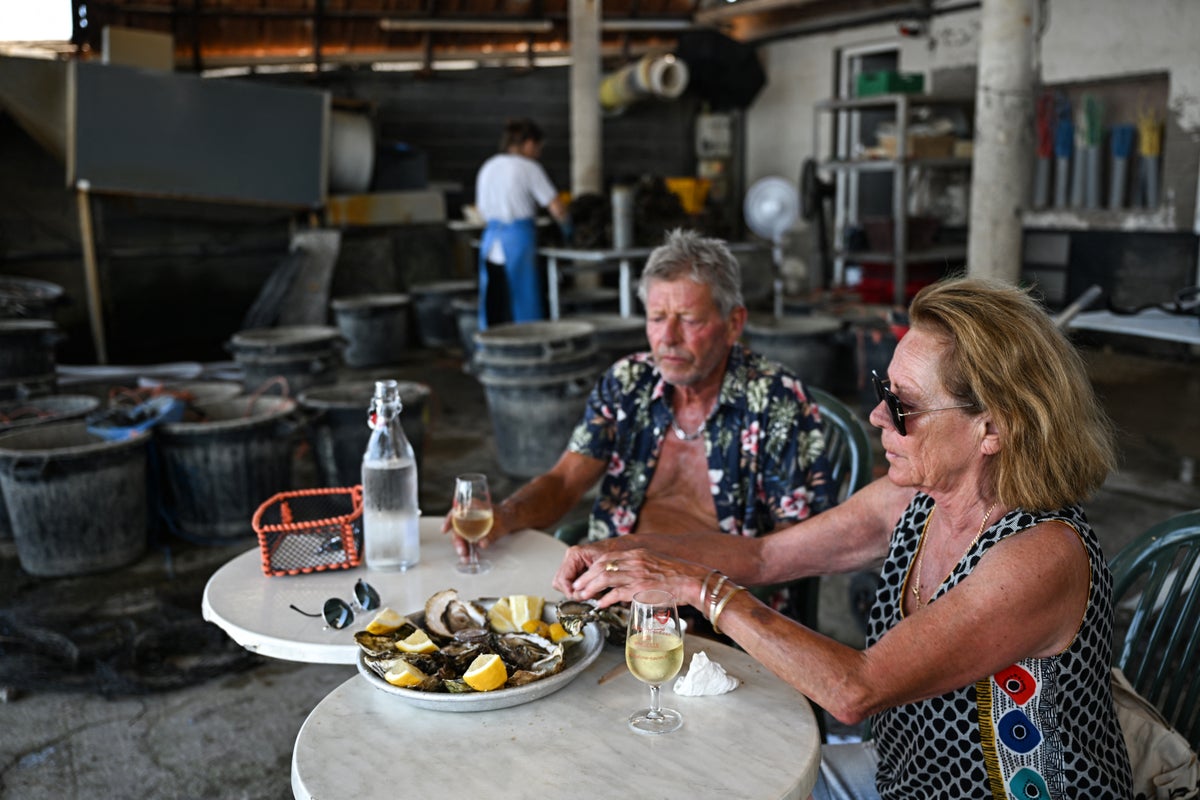
Medical risks also extend to patients using medications that reduce stomach acid or those who have undergone recent gastric surgery, as these factors can lower the biological barriers that normally neutralize ingested Vibrio. Signs of a bloodstream infection include fever, chills, dangerously low blood pressure, and blistering skin lesions, which can lead to death within a few days.
Epidemiological Trends and Environmental Triggers
The current surge follows a period of extreme volatility in vibriosis rates. In 2024, the U.S. saw 82 cases and 19 deaths, a spike the Louisiana Department of Health attributes to flooding caused by Hurricanes Helene and Milton. These weather events push contaminated seawater into inland areas and increase human contact with brackish water.
Nationally, the U.S. averages between 150 and 200 vibriosis infections annually, with half occurring in Florida, Louisiana, Texas, Mississippi, and Alabama.
Preventative Protocols for High-Risk Populations
Public health agencies emphasize behavioral modifications to reduce the probability of infection. The Florida Department of Health advises immunocompromised individuals to wear proper foot protection to prevent cuts from rocks and shells on beaches. General prevention guidelines include:
- Avoiding the consumption of raw or undercooked shellfish.
- Not exposing open wounds to warm salt or brackish water.
- Wearing gloves and protective clothing when handling seafood or working in coastal environments.
Clinical Outlook and Future Mitigation
As ocean temperatures continue to fluctuate, the risk of necrotizing infections remains a significant public health concern for the Gulf Coast.