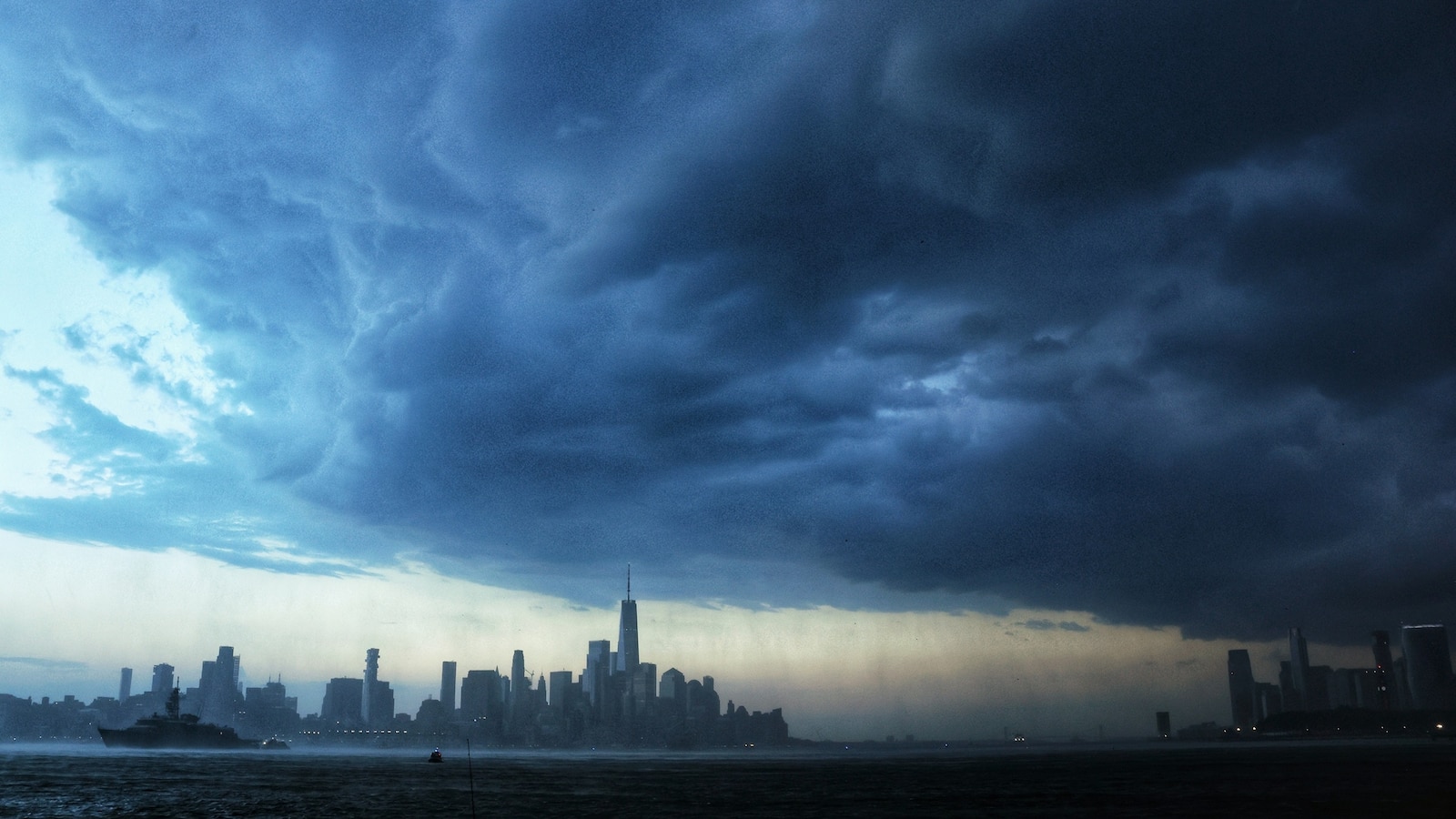
Flash Flood Warning: Storms Hit NYC and Long Island
The National Weather Service has issued a flash flood warning for New York City and Long Island as a powerful storm system tracks across the region, bringing heavy rainfall and potential inundation to low-lying areas. The alert remains in effect as municipal crews monitor drainage systems for significant localized flooding.
Understanding the Immediate Threat to Urban Infrastructure
The current meteorological event poses a direct challenge to the city’s aging subterranean drainage systems. According to the National Weather Service New York Office, heavy precipitation rates—often exceeding one inch per hour—can overwhelm storm drains that were not originally designed for the intensity of modern climate patterns. This creates a cascading failure where streets transform into conduits for runoff, endangering parked vehicles and ground-floor residential units.
For residents and property managers, the immediate concern is water intrusion. When basements and commercial foundations are compromised, the structural integrity of the property is at risk. Those facing immediate water damage should coordinate with vetted emergency restoration contractors to prevent long-term mold growth and foundational erosion.
Historical Precedent and the Shift in Storm Severity
The vulnerability of New York and Long Island to flash flooding has evolved significantly over the last decade. Data from the NYC Department of Environmental Protection indicates that extreme weather events are occurring with greater frequency, forcing the city to accelerate its “Cloudburst Management” infrastructure projects. These projects aim to capture, store, and release water during peak storm intensity.

However, these large-scale infrastructure shifts do not protect individual property owners from the immediate, localized consequences of a flash flood. “The reality of urban flooding is that it is often hyper-local,” notes an urban planning analyst familiar with regional drainage studies. “A single blocked catch basin can mean the difference between a dry basement and thousands of dollars in property loss.”
Legal and Financial Implications for Property Owners
Navigating the aftermath of severe weather involves more than just physical cleanup. Property owners, particularly in coastal or low-lying zones, often find themselves in complex disputes regarding insurance coverage and liability. The distinction between “flood damage” and “sewer backup” is a common point of contention in insurance claims.

Engaging with specialized property insurance attorneys is often necessary when claims are denied or undervalued. These professionals assist in interpreting the nuances of municipal liability—such as whether the city’s failure to maintain a specific drain contributed to the damage—a factor that can drastically alter the outcome of a recovery effort.
Proactive Measures for Future Weather Events
As the region braces for the current storm, the focus shifts to mitigation. The Federal Emergency Management Agency (FEMA) consistently advises that property owners maintain up-to-date flood maps and ensure that sump pumps and backflow valves are in working order. Relying on municipal services during the height of a storm is rarely sufficient; individual preparedness remains the primary line of defense.
Residents are encouraged to monitor local alerts via the Notify NYC system for real-time updates on street closures and transit disruptions. The intersection of severe weather and urban density creates a unique set of hazards, from stalled subway lines to compromised electrical grids.
The long-term outlook for the region suggests that these weather patterns are becoming the new baseline. Property owners who fail to adapt their physical infrastructure or secure proper legal and restoration support are increasingly exposed to significant financial risk. When the skies clear, the secondary crisis—the struggle for recovery and remediation—often proves more difficult than the storm itself. For those currently navigating the impact of this event, connecting with professional disaster recovery advocates is the most reliable way to ensure that your property is restored to code and your insurance rights are fully protected.