Fixing the IMF’s Structural Imbalances: The Case for Quota Reform
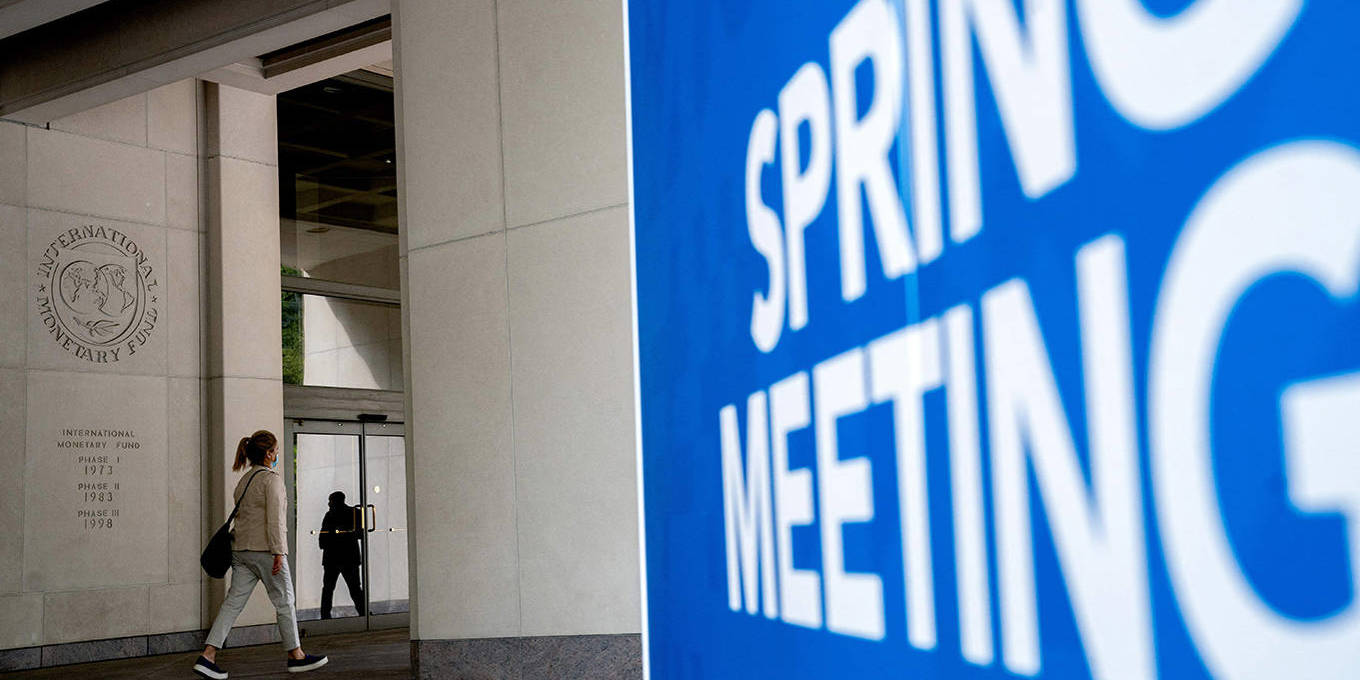
The IMF’s 2026 Spring Meetings in Washington D.C. Must urgently overhaul the quota system, reform Special Drawing Rights (SDRs) allocations, and modernize governance to prevent emerging markets, like Kenya, from bypassing multilateral funding due to prohibitive conditionalities and structural asymmetries in global capital distribution.
The optics are grim. When a sovereign nation decides that the cost of IMF “assistance”—both in terms of austerity mandates and political capital—outweighs the benefit of the liquidity, the multilateral system isn’t just failing; it’s becoming obsolete. For the C-suite and institutional investors, this isn’t just a geopolitical curiosity. It is a signal of systemic instability in the emerging market (EM) debt landscape. When the lender of last resort loses its grip, volatility spikes, yield curves steepen, and the risk premium for frontier markets becomes untenable.
This vacuum creates a precarious environment for multinational corporations operating in these regions. As sovereign liquidity dries up, B2B payment cycles stall and currency devaluation erodes EBITDA margins. Companies are no longer just managing operational risk; they are managing systemic collapse, forcing them to lean on specialized corporate treasury consultants to hedge against extreme currency volatility and optimize cross-border liquidity.
The Quota Crisis: A Legacy Architecture in a Digital Age
The IMF’s quota system—the mechanism that determines a member’s voting power and access to financing—is a relic of the post-WWII era. It fails to reflect the current global GDP distribution, leaving emerging powerhouses underrepresented. This misalignment creates a “credibility gap” that pushes nations toward bilateral swaps or opaque lending agreements.

The fiscal problem here is simple: asymmetry. While the G7 maintains a stranglehold on governance, the actual economic risk is shifting toward the Global South. Per the IMF’s own Articles of Agreement, quotas are meant to represent the relative position of members in the global economy. Yet, the lag in adjustment means that capital is often deployed with conditions that ignore the nuance of local inflationary pressures and supply chain bottlenecks.
Institutional investors are noticing the drift. The shift toward “fragmented globalization” means that the traditional safety nets are fraying. As sovereign credit ratings fluctuate, firms are increasingly seeking international corporate law firms to restructure debt instruments and navigate the complex legal waters of sovereign defaults and restructuring agreements.
“The current multilateral architecture is designed for a world that no longer exists. If the IMF doesn’t pivot from a ‘policing’ role to a ‘partnership’ role, we will see a permanent migration of capital toward non-aligned financial hubs, fundamentally altering the global yield curve.” — Marcus Thorne, Chief Investment Officer at Vertex Global Macro
Three Pillars of Necessary Reform
To stem the tide of sovereign exit, the Spring Meetings must move beyond rhetoric and implement three specific structural shifts:
- Dynamic Quota Reallocation: Moving away from static five-year reviews toward a more fluid, data-driven reallocation process that reflects real-time GDP shifts and economic influence. This reduces the “political premium” associated with IMF loans.
- SDR Liquidity Optimization: Special Drawing Rights (SDRs) are currently underutilized. The IMF must facilitate a more aggressive mechanism for wealthy nations to “channel” SDRs to low-income countries without triggering restrictive conditionality. This would provide immediate liquidity injections to stabilize balance of payments without forcing draconian austerity.
- Conditionality Modernization: Shifting from blanket fiscal consolidation (spending cuts) to targeted, growth-oriented benchmarks. The goal should be protecting the social safety net to ensure long-term political stability, which in turn protects foreign direct investment (FDI).
The ripple effect of these reforms—or the lack thereof—will be felt in the basis points of every EM bond. We are seeing a trend where “fiscal discipline” is being weaponized, leading to a paradox where the cure (austerity) kills the patient (economic growth).
The Macro Impact on Global Capital Markets
When the IMF fails to provide a stable backstop, the market doesn’t just wait; it prices in the chaos. We are seeing a widening gap in credit default swaps (CDS) for frontier markets. For a B2B enterprise, So the cost of insuring trade credit in these regions is skyrocketing.
According to the Bank for International Settlements (BIS) quarterly reports, the buildup of non-bank financial intermediation (NBFI) has created new pockets of systemic risk. If the IMF cannot act as the ultimate stabilizer, these NBFIs—hedge funds and private equity firms—will dictate the terms of survival for struggling nations, often through predatory “vulture fund” tactics.
This instability forces a strategic pivot for global firms. They can no longer rely on sovereign guarantees. Instead, they are investing in enterprise risk management services to build proprietary resilience frameworks that operate independently of multilateral stability.
“We are seeing a transition from ‘multilateral trust’ to ‘bilateral verification.’ The IMF’s inability to evolve its quota system is effectively outsourcing global financial stability to private equity and regional power brokers.” — Elena Rossi, Senior Strategist at EuroBank Capital
The Bottom Line for the Next Fiscal Quarter
The upcoming quarters will be defined by a struggle for liquidity. If the Spring Meetings result in mere “expressions of intent” rather than binding quota shifts, expect a further decoupling of emerging markets from Western financial hegemony. The “Kenya Model”—choosing autonomy over conditional liquidity—could become a blueprint for other mid-sized economies.
For the corporate world, the mandate is clear: diversify exposure and harden your financial infrastructure. The era of relying on a single global arbiter of stability is over. The new reality is a fragmented landscape where agility and localized intelligence are the only true hedges against volatility.
As the global financial architecture undergoes this volatile transition, the ability to identify and partner with vetted, high-capacity service providers is the only way to maintain a competitive edge. Whether you are navigating sovereign debt restructuring or optimizing your global tax footprint, the World Today News Directory remains the definitive source for connecting with the B2B firms capable of solving the most complex fiscal challenges of the modern era.