First Human Case of Shamonda Virus Reported in France: Experts Say Low Risk to Public
Most people are not at risk from the Shamonda virus, a leading expert has stated following the first recorded human infection in France, The Irish Times reported. French health authorities announced on October 22, 2026, that the livestock pathogen had been detected in a severely immunocompromised patient who died in early October at the Hospices Civils de Lyon after being hospitalized for a serious medical condition.
- The Shamonda virus was detected in a human for the first time in October 2026, involving a severely immunocompromised patient in France who died from underlying health complications.
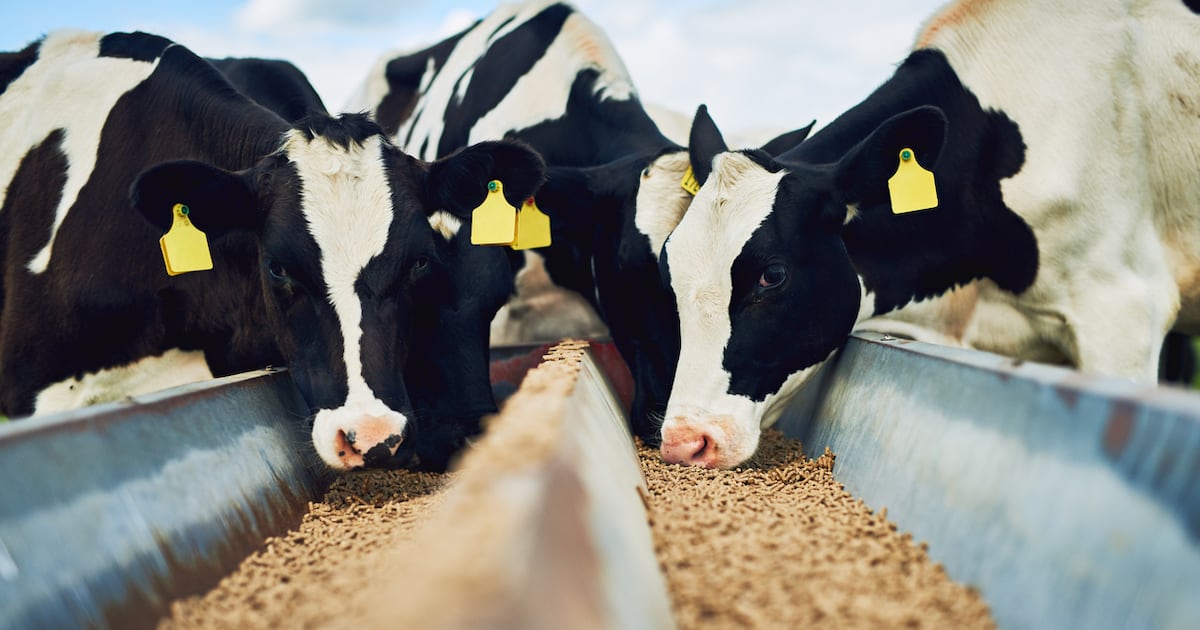
- The virus is typically spread by biting midges and causes mild illness, fever, acute diarrhea, and reduced milk production in cattle, sheep, goats, horses, and alpacas.
- European health agencies and academic virologists stress that the general public faces no identified health risk, though agricultural workers near livestock should maintain increased awareness.
The virus belongs to the Orthobunyavirus group and the Simbu group of viruses, which includes the Schmallenberg virus and Akabane virus. First isolated from cattle in Nigeria in the mid-1960s, the pathogen has since appeared sporadically in cattle across parts of Africa and Japan. Before the recent case in France, it was considered an animal pathogen that did not infect humans, according to reporting by The Hindu.
In Europe, the virus made its first appearance at the end of July. By October 22, the European Centre for Disease Prevention and Control (ECDC) had identified farm animal detections across 12 European countries and Jersey, while an epidemiological bulletin from France’s national research institute tracking animal health reported the virus present in 14 western European countries. Earlier this month, the Department of Agriculture confirmed the virus in cattle samples from two dairy farms in County Cork, marking the first time the emergent pathogen has been detected in Ireland.
Gerald Barry, assistant professor of virology and deputy director of the UCD One Health Centre at University College Dublin, described the human fatality as surprising and unusual. “It is the first-ever reported human case for this virus,” Barry said, noting that the association with an immunocompromised individual already suffering from a serious illness suggests most of the population remains unaffected. Barry added that Europe is seeing an increase in mosquito- and midge-borne viruses moving northwards from the Mediterranean basin. It typically causes disease in cattle and sheep, not humans. Barry said Europe was being “bombarded” with new viruses, particularly ones borne by mosquitoes and midges.
Connor Bamford from the School of Biological Sciences at Queen’s University Belfast called the rapid spread across Europe concerning, noting that more work must be done to determine human exposure levels and any illness association. Tom Solomon, director at The Pandemic Institute and the NIHR Health Protection Research Unit in Emerging and Zoonotic Infections at the University of Liverpool, stated that the virus likely contributed to the patient’s illness while reaffirming that public risk remains very low.
French health and agriculture ministries noted in a joint statement that preliminary findings link the patient’s neurological complications to the virus, though clinical, biological, and epidemiological investigations remain ongoing. Both the World Health Organization and the ECDC have been notified of the ongoing situation. There was “no health risk to the general public identified at this time”, the health and agriculture ministries said in a joint statement. It added that the human infection appeared to be “an exceptional case involving a severely immunocompromised patient” hospitalised for a serious medical condition. “Despite circulating in Africa and Asia for several decades, the Shamonda virus has never previously been detected in humans,” the ministries said.

Livestock Impact and Expert Outlook
Why is it in the news? The virus is also affecting livestock production.
Disclaimer: The information provided in this article is for educational and scientific communication purposes only and does not constitute medical advice. Always consult with a qualified healthcare provider regarding any medical condition, diagnosis, or treatment plan.