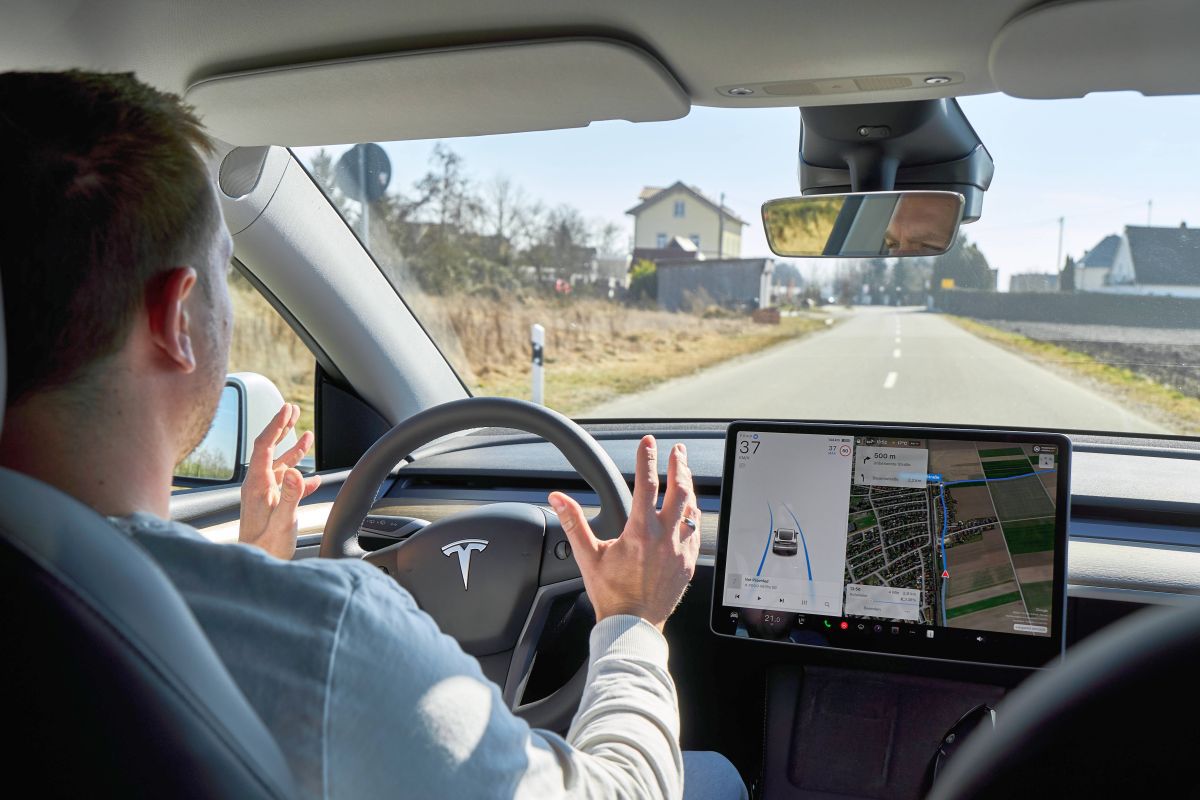
First European Country Approves Tesla Full Self-Driving
Tesla has secured official type approval for its “Full Self-Driving” (FSD) Supervised system in the Netherlands, marking the first European nation to authorize the technology. Granted by the RDW under UN R-171 regulations, this provisional approval allows for a controlled rollout while Tesla seeks broader European Union-wide validation via the European Commission.
What we have is not a mere victory for Elon Musk’s marketing machine; it is a critical stress test for European regulatory frameworks. The chasm between the United States’ “beta” deployment model and the European Union’s rigid “type approval” process is vast, requiring immense capital and legal precision to bridge. For Tesla, the Netherlands serves as a strategic beachhead. For every other automotive OEM attempting to scale AI-driven transport, this event highlights a systemic bottleneck: the inability to align aggressive software iteration with glacial regulatory cycles.
The fiscal problem here is one of compliance risk and market entry timing. When a company’s marketing timeline diverges from a regulator’s actual review process—as the RDW noted occurred in late March—it creates volatility in investor expectations. To mitigate this, firms are increasingly relying on specialized regulatory compliance consultants to synchronize product roadmaps with international safety standards.
The Macro Shift: Three Pillars of the European Rollout
The approval of FSD Supervised in the Netherlands fundamentally alters the trajectory of autonomous vehicle (AV) penetration in Europe. The shift is not about the software itself, but the legal architecture supporting it.
- The UN R-171 Standard: By securing approval under UN R-171, the regulation for Driver Control Assistance Systems, Tesla has moved beyond experimental permits into a standardized regulatory framework. This creates a blueprint for other EU member states to recognize the system nationally, though the process remains non-automatic.
- The “Supervised” Legal Firewall: The RDW has been explicit: FSD Supervised is not autonomous driving. By maintaining the human as the legally responsible party, the regulator avoids the “Level 4” liability trap. The driver remains at the controls, ready to intervene, which shifts the risk profile from the manufacturer back to the operator.
- The Gateway Effect: The Netherlands is currently the only jurisdiction where this approval holds. However, the RDW is now submitting the application for EU-wide permission to the European Commission. If successful, this transforms a local victory into a continental market expansion.
The market is now watching to see if the European Commission will mirror the RDW’s pragmatism or impose further restrictions that could delay the rollout for several fiscal quarters.
“Safety is RDW’s top priority. Using this driver assistance system correctly makes a positive contribution to road safety.”
Deconstructing the Compliance Moat
The path to this approval was not a formality; it was a grueling technical audit. The RDW’s decision followed more than 18 months of rigorous testing, creating a high barrier to entry for competitors. Tesla had to provide documentation covering more than 400 compliance requirements under UN R-171 and Article 39 exemptions.

The quantifiable metrics of this testing phase reveal the scale of the effort:
• 1.6 million kilometers driven on EU roads.
• 13,000 customer ride-alongs.
• 4,500 distinct track test scenarios.
This volume of data creates a significant “regulatory moat.” For smaller players or legacy automakers, replicating this level of verified real-world data within the EU’s strict privacy and safety confines is a monumental task. The sheer cost of such a validation program necessitates the involvement of top-tier corporate law firms specializing in automotive technology to manage the intersection of data privacy and safety certification.
Tesla Europe’s announcement on X that the system will “begin rolling out in the country shortly” suggests that the operational infrastructure is already in place. The company claims that no other vehicle can match this capability, leaning heavily on its database of billions of kilometers of real-world driving data to justify its position.
The Liability Gap and the B2B Opportunity
Despite the optimism, a critical tension remains. The RDW stresses the difference between FSD Supervised and full autonomous driving. A vehicle with FSD Supervised is not “self-driving” in the eyes of the law. This distinction is vital for insurance underwriters and corporate fleet managers who must now determine how to cover these vehicles.
As these systems move from niche adoption to mainstream fleet integration, the insurance industry faces a pricing crisis. Who is at fault when a “supervised” system fails but the human was “watching”? This ambiguity is driving a surge in demand for risk management firms and liability insurance specialists who can draft new contracts for the AI era.
The RDW’s provisional validity is a calculated risk. By allowing the system on highways and city streets, they are gathering real-world data that will inevitably inform the European Commission’s final decision. If the rollout in the Netherlands remains incident-free, the path to EU-wide approval becomes a formality. If a high-profile failure occurs, the “provisional” nature of the approval gives the RDW an straightforward exit strategy.

The strategic objective for Tesla is clear: achieve a footprint in Europe that mirrors its US dominance, thereby diversifying its revenue streams and reducing reliance on any single regulatory body. For the broader market, the Netherlands has just provided the first evidence that the EU is willing to compromise on its traditionally rigid safety stance to accommodate AI innovation.
The trajectory is set. The transition from driver-assist to true autonomy will not happen through a single “eureka” moment, but through a series of incremental, jurisdiction-by-jurisdiction approvals. Investors should look past the immediate headlines and focus on the RDW’s application to the European Commission; that is where the real value inflection point lies. For those navigating this volatile landscape, finding vetted partners through the World Today News Directory remains the most efficient way to secure the legal and regulatory expertise required to survive the transition.